
Addiction, Debt, and the Turn to Robbery
CherryThis flow follows the narrator and Emily from shared dependence into mounting debt, desperate bank robberies, and a criminal life that brings danger closer without resolving their addiction.
increasing Bearing strength in each event
 decreasing
Bearing strength in each eventdecreasingReturning to Heroin
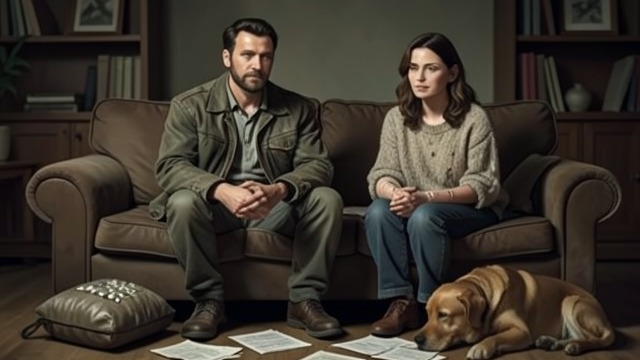
A Shared Return
Trying to rebuild at home
After leaving the Army and divorcing Emily, the narrator returns to Ohio with money and begins using drugs heavily. He and Emily eventually reunite, move in together, and try to construct a domestic life around college, work, and plans for the future.
The narrator’s military experience and psychological distress remain unresolved. Instead of making a stable return to civilian life, he uses drugs to manage the dislocation and soon makes heroin central to his days.
The household becomes a trap
Emily also begins injecting heroin, and the pair develop a shared routine of finding drugs, preparing injections, and trying to remain functional enough to attend college. Their partnership gives them companionship, but it also makes one person’s use inseparable from the other’s.
When they later adopt Livinia and promise to stop, they are still unable to break the pattern. The dog becomes a measure of their desire to be responsible and the evidence that good intentions alone cannot end the dependence they have built together.
Dealers Set the Terms
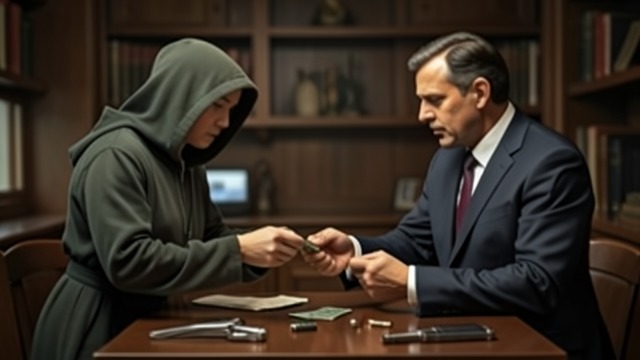
Dependence on Unreliable Men
Supply becomes leverage
The narrator and Emily spend increasing amounts of money obtaining heroin and prescription opioids. Dealers delay, underweight purchases, lie about quality, and sometimes disappear, while withdrawal makes waiting feel physically intolerable.
The narrator repeatedly knows that particular suppliers are unreliable but returns to them because he has few alternatives. His ability to judge character is narrowed by the immediate need to keep himself and Emily from becoming sick.
Debt replaces choice
A dealer named Manny connects the narrator to sources, but Manny is also an informant who has betrayed people in his network. Other suppliers, including Raul and Black, offer access without dependable safety or fairness.
The pair’s dependence turns every purchase into a negotiation conducted under duress. They may know they are being cheated, yet protest risks losing access to the very substance they feel they need to function.
First Bank Robbery
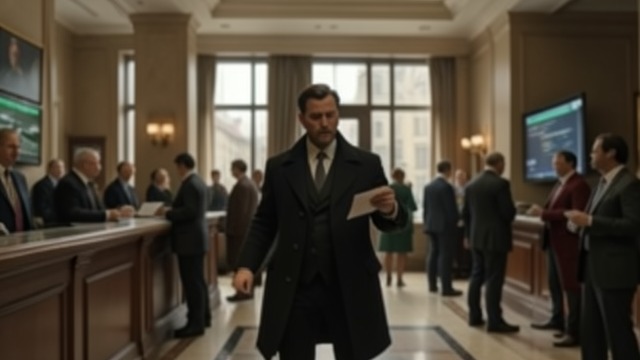
A Robbery for Dope
Desperation becomes a plan
As the narrator and Emily run out of money and heroin, Raul proposes a bank robbery. The narrator has never robbed a bank before, but debt, withdrawal, and the fear of being unable to get more heroin push him toward the plan.
He evaluates the target, rejects a bank with bullet-resistant teller windows, and later chooses an agency in a shopping center. He waits for the lobby to empty because he wants to avoid involving customers, revealing that even as he crosses into violent crime he still tries to limit the harm.
A clean escape, a dirty bargain
The narrator enters with his face partly concealed, presents a written demand, and takes cash without firing a weapon. He and Raul escape and divide the proceeds, after which the narrator uses part of the money to buy heroin and repay Black.
The robbery solves the immediate crisis but deepens the structure causing it. Money now comes from a crime that can bring prison, while the heroin it purchases ensures that another urgent need will arrive soon.
Withdrawal and a Second Robbery
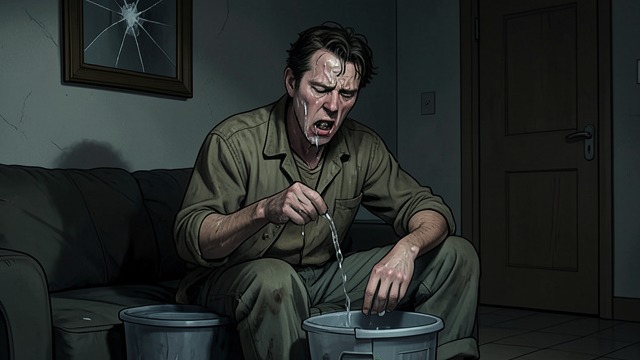
Borrowing Against Tomorrow
A brief attempt to stop
The narrator and Emily try to withdraw at home, suffering through vomiting, sweating, and exhaustion. They have no money and no heroin, and the narrator leaves in thrift-store clothes with a small plastic bin so he can vomit while away.
He frames the choice starkly: he can try to obtain money through another robbery or face the crisis without any way to help Emily. His dependence has made a criminal act seem, to him, like the only practical response.
The pattern is reinforced
He robs a bank without a gun, takes cash, and drives away. Once home, he and Emily use the money to buy heroin and inject large amounts, experiencing relief and believing that their supply will last.
Then a local news report shows a clear surveillance photograph of the narrator. The image gives the robbery a visible consequence, but the couple still use more heroin and attempt to believe they remain safe. Immediate relief and future danger arrive together, making the cycle harder to escape.
Robbery with Rider
The Partner Who Runs
A workable plan collapses
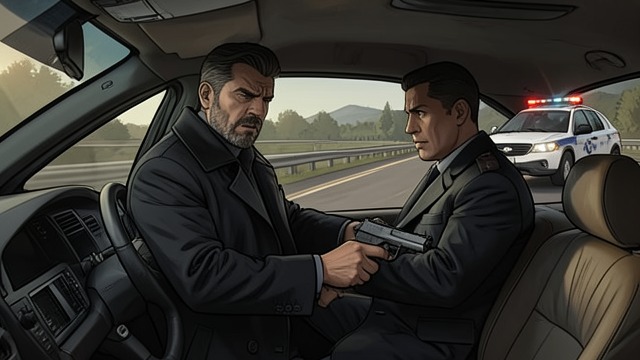
The narrator agrees to rob a bank with Rider, who has access to a gun and expects to share the proceeds. The narrator enters the bank and takes money, while Rider drives the getaway car.
On the highway, Rider panics when he sees a police cruiser and leaves the route the narrator has told him to take. He eventually abandons the car and runs, leaving the narrator to continue alone with the money and the risk of being caught.
A partnership measured in losses
The narrator reaches home, destroys evidence, and later pays Pistol for drugs and for the trouble surrounding the robbery. He does not expose Rider’s panic, partly because he fears that Rider might retaliate if the story became known.
The episode shows how criminal collaboration is held together by need rather than trust. The narrator must absorb the consequences of another person’s fear while continuing to depend on the same unstable network for drugs and money.
After the narrator leaves the Army
During the couple’s increasingly desperate heroin use
During the winter when the couple are repeatedly in withdrawal
After an earlier robbery, during an acute withdrawal attempt
Later in the narrator’s escalating robbery period
