
Criminal Partnerships Under Pressure
CherryThis flow traces how the narrator’s drug connections turn into unstable criminal alliances, as betrayals, failed robberies, and mounting threats repeatedly reshape his loyalties.
increasing Bearing strength in each event
 decreasing
Bearing strength in each eventdecreasingManny’s Network
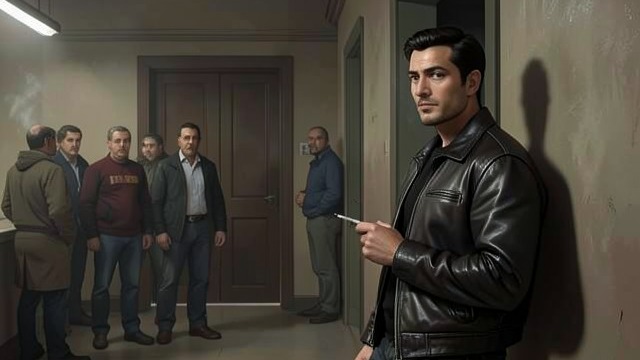
Access with a Cost
A supplier who is also a threat
The narrator turns to Manny for heroin and discovers that Manny can connect him to other dealers. Manny is useful because he can obtain drugs, but he is also an informant who has sent people to prison, including Ari.
His double role changes every transaction into a risk calculation. The narrator depends on Manny’s access while understanding that the same access may be part of a system designed to expose customers and suppliers to police.
Betrayal becomes ordinary
Manny’s drug network shifts as suppliers are arrested, accused, or robbed. When Cookie is introduced as a source, the narrator learns that Cookie’s connections are entangled with Manny’s own conflicts and debts.
The narrator does not withdraw from the network. Instead, the repeated instability teaches him to treat treachery as an expected cost of obtaining heroin, a belief that makes further compromise easier to accept.
Mike’s Robbery
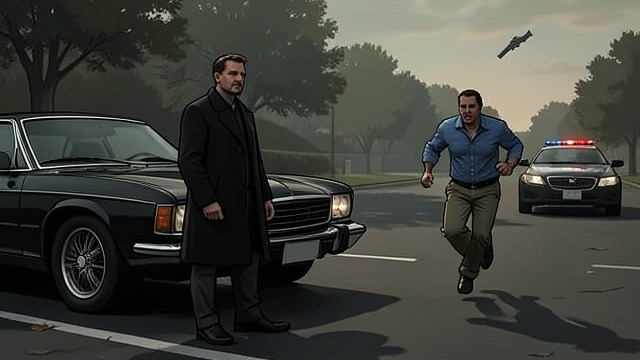
The Broker Becomes a Victim
A deal arranged through Raul
The narrator connects Mike with Raul for a cocaine purchase, believing he is helping two people conduct business. Mike later calls in panic, saying that a man has threatened him with a gun and taken the cocaine.
The narrator feels responsible because he supplied the connection. He offers Mike a military body armor vest and agrees to help retrieve Mike’s car, although he has no weapon and little ability to control what happened.
Exposure without remedy
The pair recover the car and leave, and the narrator later buys heroin from Black rather than confronting Raul. He has seen enough to suspect betrayal but remains dependent on the same dealers for his own supply.
Mike’s robbery reveals how rapidly the narrator’s role has shifted from buyer to broker. He can facilitate other people’s risky transactions, but he cannot make those transactions safe or prevent their violence from spilling back into his own life.
Raul’s Failed Bank Plans
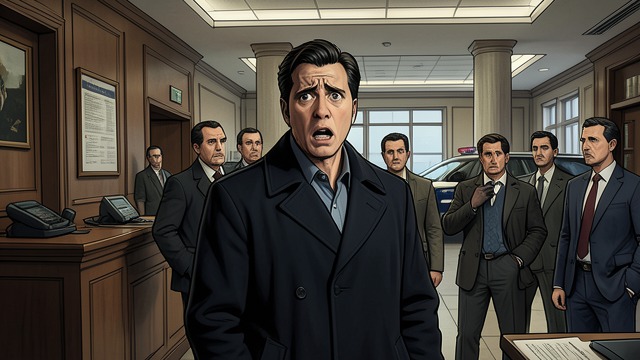
Plans Repeatedly Abandoned
A crew with no common nerve
Raul wants money before prison and repeatedly discusses bank robberies with the narrator, Rider, and James Lightfoot. A first target is rejected when they see police cars positioned nearby, and the group turns instead to a different plan.
At Chagrin Boulevard, the narrator has carefully explained how to keep the bank’s doors open during their exit. Raul enters, freezes, and runs back out, leaving the narrator to collect the cash while the plan falls apart around him.
The cost of retreat
A second attempt at Shaker Square reaches the bank, but Raul again runs from the scene. The narrator takes the money and reunites with James, who has to circle around looking for Raul before the group can escape.
The failures show that the crew’s willingness to commit is uneven. The narrator is the one who continues into the bank, but that apparent decisiveness does not make the operation controlled; it leaves him increasingly responsible for the actions and panic of his partners.
The Threat of the Black Mask
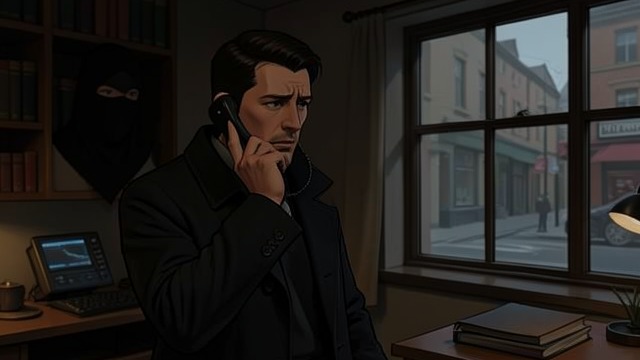
A Debt Becomes a Threat
Payment demanded
Black calls the narrator and says he is a piece of trash who will force Black to put on his black mask. The narrator does not understand the threat and cannot identify what Black intends to do, but the language leaves him uneasy.
The threat emerges from an unpaid debt in a world where dealers can enforce obligations personally. The narrator tells Emily about the call but dismisses Black as an obnoxious man, trying to reduce a real danger to another unpleasant exchange.
Dependence blunts resistance
Despite the threat, the narrator continues seeking heroin from Black and other suppliers. He has few resources with which to confront them, and withdrawal makes choosing distance from a dangerous dealer feel less possible than enduring the danger.
The conflict is therefore both external and internal: Black’s intimidation is real, while the narrator’s dependence repeatedly pulls him back toward the person who has threatened him. Fear does not produce escape; it coexists with the need to buy another dose.
Robberies Become Routine
Crime as a Supply Strategy
Escalation through repetition
The narrator begins to rob banks repeatedly, often with a partner and with heroin or debt as the immediate reason. He learns to assess locations, clothing, escape routes, and whether a weapon is necessary, converting a desperate first act into a method he can reuse.
His increasing familiarity is not the same as control. Partners panic, targets become unsuitable, and he remains aware that police can appear at any point. Each successful escape encourages another attempt while making the consequences more severe.
A shrinking world of options
At the same time, the narrator tells himself that he deserves bad outcomes and that losses cannot be recovered. That fatalistic attitude helps him continue, since it makes the risk of prison seem like one more inevitable cost rather than a reason to stop.
By the book’s later stages, robbery and drug procurement have become parts of one cycle. He can obtain money through theft, but every purchase prolongs the dependence that will send him back into danger.
During the narrator and Emily’s early years of heroin use
During the narrator’s expanding criminal associations
After Raul faces imprisonment for heroin possession
In the days before the narrator’s later bank robberies
After the narrator’s first successful bank robbery
