
Attachments After Emily
CherryThis thread traces the narrator’s attempts to find emotional closeness after Emily through his earlier attraction to Zoë and his later, unstable relationship with Libby.
increasing Bearing strength in each event
 decreasing
Bearing strength in each eventdecreasingA Brief Love with Zoë

Zoë as an Opening
A Different Kind of Attraction
After the narrator’s relationship with Emily has broken down, he becomes attached to Zoë, a young woman from Barcelona. Their connection offers a contrast to his history with Emily: he is drawn to Zoë’s beauty and intelligence, but he also recognizes that she does not approach every encounter as a tragic test of what love means.
The narrator says that he mishandled their first sexual encounter by making it carry too much emotional weight. His need to make intimacy significant overwhelms a moment that Zoë experiences more lightly.
The Limits of Rescue
He later imagines that being with Zoë again might save him. The thought reveals that he is asking a new relationship to relieve the pain and addiction he has not addressed.
Zoë’s presence matters, but it cannot repair him simply by existing. The narrator’s attachment is sincere, yet it is already mixed with the hope that another person can give him a reason to keep going.
Libby’s California Dream

A New Relationship
Meeting at the Eighties Party
The narrator meets Libby at an eighties-themed party after his apartment loses power. They share cheap wine and cocaine, and Libby talks about leaving college to live with a cousin in California who supposedly works in Hollywood.
The narrator tells her she could not be more attractive. He is struck by her insecurity and by the sense that she is preparing to leave, yet he begins a sexual relationship with her almost immediately.
Attraction and Unease
Libby is nineteen, and the narrator recognizes the vulnerability in her plans and manner. Their connection offers him companionship at a time when he is still grieving Emily, but he does not have the emotional steadiness to make that companionship safe.
The encounter establishes a pattern: he can express intense desire and tenderness, but his attachment is entangled with drug use, self-loathing, and the expectation that he will eventually hurt the person who cares for him.
The Angel Wings

Names on Libby’s Wings
A Personal Symbol
After a Halloween party, Libby and her friends return to the narrator’s apartment. Libby asks when she will see him again, and he tells her that the sooner, the better; they make plans for the next day.
Libby has angel wings on her back, with the names of people she loves written across them. The image gives the narrator a glimpse of her emotional world: she makes affection visible and carries the people she values with her.
Intimacy Beside Despair
Their sexual intimacy is playful, and Libby makes a silly rhyme after the narrator ejaculates on her face. Yet he becomes depressed again immediately afterward, unable to remain inside the lightness of the moment.
The contrast foreshadows the strain in their relationship. Libby offers warmth and affection, while the narrator’s emotional life keeps returning to shame and sadness, even when he is physically close to someone.
A Marriage Proposed

A Promise Made While High
The Proposal
The narrator and Libby spend time together with Gilda and use heroin. The narrator becomes attached to Gilda as well, but his attention remains with Libby and the possibility that their relationship might become something lasting.
One evening, he tells Libby that he thinks they should get married. She agrees. They tell Gilda, who reacts with delighted enthusiasm and imagines herself as a flower girl.
Commitment Without Stability
The proposal sounds like a promise, but the narrator is using heavily and cannot reliably sustain ordinary sexual intimacy. Soon after, he cannot get an erection because he has taken too many drugs.
The moment exposes the gap between what the narrator says and what he can offer. He wants the reassurance of being chosen, but he is not prepared to build a stable life with Libby or to trust the promise he has made.
Ending the Engagement

Taking Back the Promise
Confession of Doubt
The narrator tells Libby that he cannot genuinely believe in their plans to marry. He says he wants to be with her, but insists that the marriage talk was nonsense and that he does not believe in those promises in real life.
Libby is hurt and asks whether he wants to leave her. He says that is not quite the problem: he likes her deeply, but distrusts the relationship and thinks she would be better off without him.
Love Without Trust
Libby says that she loves him and wants to remain with him. The narrator cannot accept her love as a reason to trust her or himself; when she asks what she has done, he admits that his suspicion is not based on a particular betrayal.
Their argument shows the harm in his defensive honesty. He tries to prevent future pain by withdrawing from commitment now, but his words make Libby carry the hurt of promises he himself initiated. Their relationship ends not because affection is absent, but because he cannot believe that affection can hold.
Zoë’s Return
The Past Returns
Choosing the Hope of Escape
Zoë returns to America for a visit, and the narrator is overwhelmed by the chance to see her again. He wants her to come to his apartment and imagines that sleeping with her might save him, despite knowing that he has previously made their intimacy too heavy with sadness.
Libby calls repeatedly, then comes to the building and shouts from below. The narrator tells Zoë that Libby is not his girlfriend and dismisses her attachment as something that will pass.
A Failed Reunion
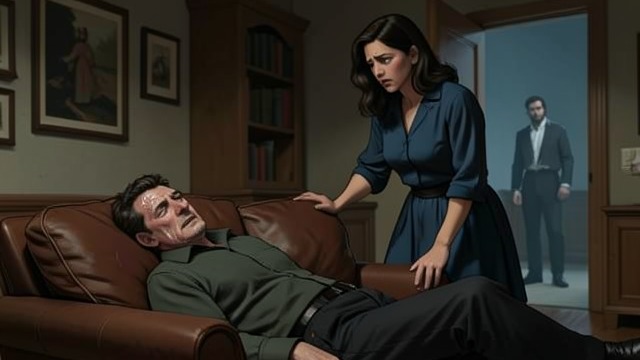
The narrator has mixed alcohol with Xanax and loses consciousness. When he wakes, Zoë is gone and Libby is there, angry and frightened by his behavior.
The moment exposes the emotional damage caused by his inability to face either relationship honestly. Zoë does not rescue him, and Libby’s return does not restore trust; instead, the narrator’s collapse makes clear that his search for another attachment has become another way of avoiding the life he is living.
After the narrator’s first breakup with Emily
The autumn after the narrator turns twenty-three
The night after the Halloween party in Tremont
Several weeks after the narrator meets Libby
After the narrator returns from the eighties-themed party
During Libby’s relationship, when Zoë returns from Barcelona
