
The Trap of Heroin
CherryThis thread traces addiction from youthful experimentation into a system of withdrawal, economic desperation, criminality, and temporary relief that repeatedly persuades the narrator and Emily to continue.
increasing Bearing strength in each event
 decreasing
Bearing strength in each eventdecreasingSmall Beginnings
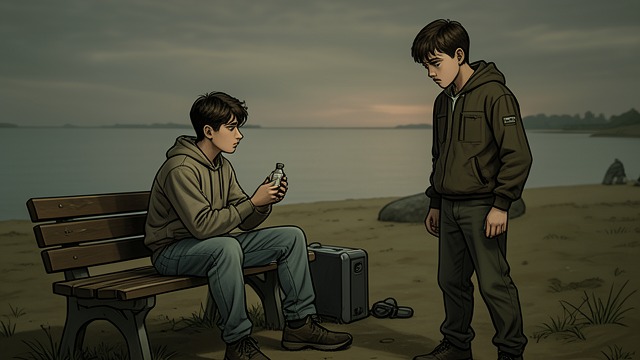
Small Beginnings
A Life Already in Motion
Before heroin dominates his life, the narrator sells drugs, skips classes, and experiments with substances while trying to pass as a student and worker. Each decision appears manageable in isolation, and he repeatedly tells himself that he is not a bad person because he avoids harming people directly.
The Logic of Escalation
His account recognizes how one choice leads to another until dependence becomes visible only after the options have narrowed. Shame sometimes pushes him to meet obligations, but it does not give him a dependable way to change course.
Addiction begins as part of a broader pattern of postponement and self-justification. The narrator’s later catastrophe is not presented as an overnight transformation but as the consequence of habits that gradually become a structure.
Relief After the War
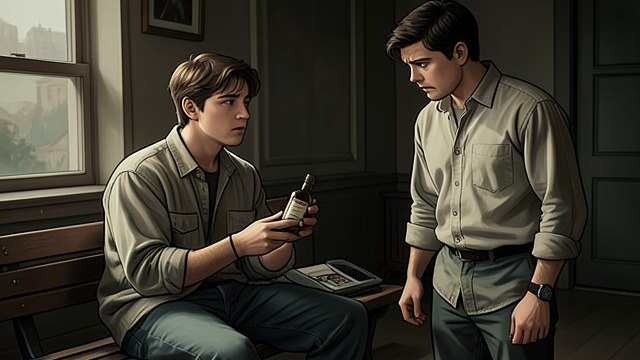
Relief After the War
Pain Without a Language
After military service, the narrator struggles with sleeplessness, distress, and memories he cannot comfortably explain. Drugs provide an immediate way to quiet his body and thoughts, while alcohol becomes another routine means of getting through the day.
The Slide Toward OxyContin
He returns to Ohio, resumes college intermittently, and begins relying on OxyContin and other substances. The promise of relief is especially powerful because it arrives faster than treatment, reflection, or the difficult work of rebuilding ordinary life.
The postwar crisis is not reducible to a single diagnosis, but the narrator recognizes that his experiences have left him psychologically damaged. Addiction grows in the space between that damage and the relief he can access quickly.
A Shared Routine
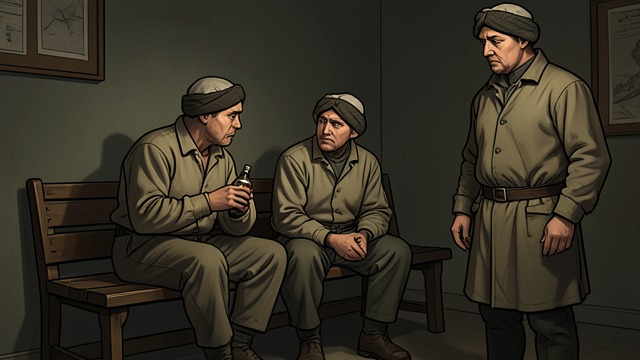
A Shared Routine
The Couple’s New Center
Emily and the narrator live together and increasingly organize their days around obtaining and using heroin. College, work, and household obligations remain in the background, but the immediate demands of dependence determine when they leave home, whom they call, and how they spend their money.
The False Brightness
They describe being young and high as beautiful, and the drug does produce moments of comfort and shared closeness. Yet the same routine brings debt, sickness, unreliable suppliers, and friends who exploit one another.
Their relationship becomes both shelter and amplifier. Each can recognize the danger in the other, but each also helps make continued use feel normal, intimate, and temporarily survivable.
Withdrawal Becomes a Deadline
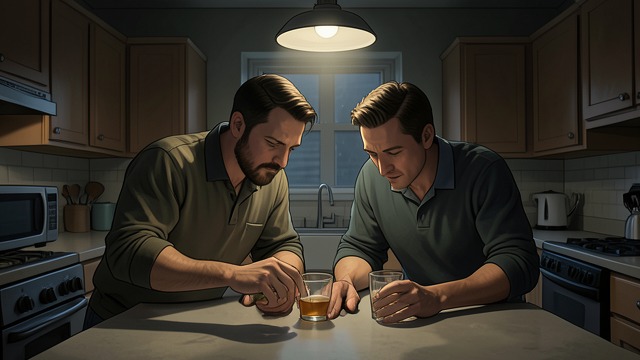
Withdrawal Becomes a Deadline
A Plan That Cannot Hold
When they discuss quitting, withdrawal transforms the idea into a physical emergency. They try to endure the sickness, but as the weekend progresses they begin to bargain with themselves: they have done well, they deserve a reward, and they still need to take care of responsibilities.
The Return to the Dealer
The supposed reward becomes another purchase, with enough heroin or pills to postpone suffering for a little longer. Their reasoning sounds practical because they must function, attend school, care for their plants, and keep the household moving.
The cycle makes recovery feel perpetually possible but never timely. Every dose restores enough stability to delay a decision, while deepening the dependence that makes the next decision harder.
Crime as Drug Money

Crime as Drug Money
Desperation in Motion
As debts and withdrawal tighten their hold, the narrator turns to bank robbery for cash. He commits one robbery, then returns to the same solution as the consequences multiply, treating stolen money as a short-term answer to an immediate need for heroin.
Relief Purchased at a Price
After a robbery, he often uses the proceeds to pay dealers and buy drugs. The rush of escape and the bodily comfort of heroin briefly displace fear, but he knows that police attention and prison are becoming more likely.
Addiction has now reshaped morality into a sequence of urgent calculations. The narrator is not unaware of the harm: he simply becomes willing to accept escalating danger in order to avoid the suffering he fears most.
During the narrator’s first college years
After the narrator returns from Iraq and leaves active service
After Emily returns to Cleveland and moves in with the narrator
During the period when the narrator and Emily repeatedly try to stop
During the narrator’s escalating bank robberies
