
Becoming a Corrupt Man
CherryThis thread traces the narrator’s moral deterioration from self-excusing drug use to robbery, exploitation, and a self-condemnation that recognizes his complicity without immediately ending it.
increasing Bearing strength in each event
 decreasing
Bearing strength in each eventdecreasingThe Ordinary Excuse

The Ordinary Excuse
A Self-Image Preserved
The narrator tells himself that selling drugs does not make him a bad person because he does not harass anyone and does not eat meat. He works at a shoe store, attends some classes, and uses shame to keep himself showing up even when he feels detached from his life.
The Limits of Good Intentions
His self-description already contains contradictions: he cares about how others see him while participating in a drug economy, and he considers himself decent without asking what his choices may set in motion.
This early moral accounting makes later corruption legible. He does not begin by deciding to become cruel; he begins by separating his image of himself from the effects of what he does.
The First Robbery
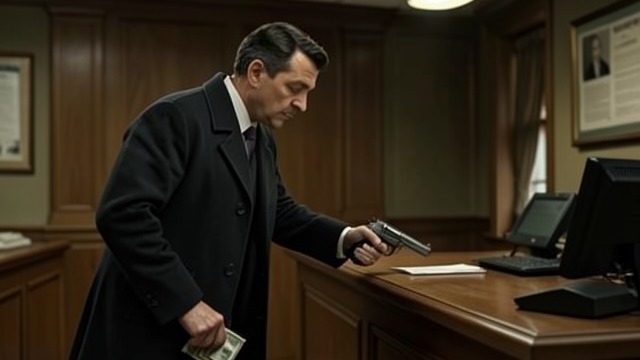
The First Robbery
Violence Disguised as Courtesy
The narrator enters a bank with a gun but tries to remain polite to the teller. He imagines that people often cooperate because the robbery is almost civil, a shared joke rather than a serious threat.
A Story That Excuses Itself
He also thinks about the teller’s job and worries that she could be punished if she refuses him. His attention to her circumstances appears compassionate, but it coexists with the fact that he is taking the bank’s money at gunpoint.
The robbery reveals how empathy can become part of self-excuse. He sees the person across the counter, yet he uses that awareness to make his own criminal act feel less brutal than it is.
A Moral Vocabulary of Need
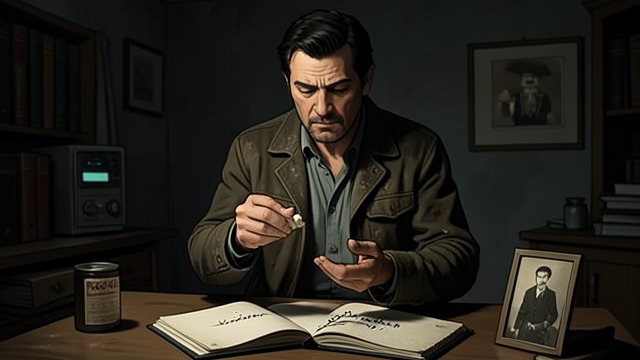
A Moral Vocabulary of Need
Dependence and Complicity
Back in Ohio, the narrator relies on a succession of dealers, including Gary, Manny, and others who lie, cheat, or inform on one another. He knows many of them are dangerous, yet dependence makes their supply more important than his judgment.
Self-Accusation
When he describes going to Raul’s mother after Raul’s arrest, he realizes that his concern was largely a performance: he wanted access to heroin, not to help a man who would not help him in return. He calls himself a corrupt person, while also recognizing the dealers’ cruelty and self-interest.
His moral insight is sharp but not yet liberating. He can name the dishonesty of the world he inhabits and his own participation in it, but understanding has not given him a practical exit.
Robbery as an Arrangement

Robbery as an Arrangement
A Criminal Routine
The narrator increasingly treats bank robbery as a workable source of cash, coordinating with Raul, Rider, and James Lightfoot. Plans are shaped by drugs, debt, fear, and the particular strengths or failures of whoever happens to be present.
The Cost of Cooperation
Rider’s unreliability and Raul’s retreats create danger, while the narrator takes the risk of entering banks and carrying a weapon. Even when a robbery succeeds, the money is quickly absorbed by drugs, debts, and the next urgent plan.
Criminality becomes less an extraordinary break from ordinary life than an extension of its routines. The narrator still notices the absurdity and humiliation of what he is doing, but that awareness no longer stops him from doing it again.
A Verdict Without Escape
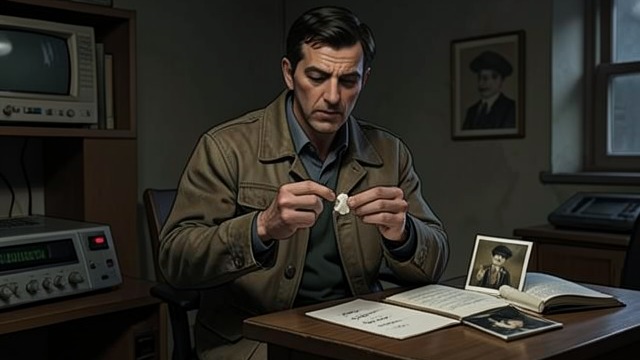
A Verdict Without Escape
The Theory of Deserving Harm
After losing money to dealers, the narrator concludes that he is a bad person and that bad things happen to him because he deserves them. This theory helps him absorb exploitation without confrontation, as if accepting blame could make the damage intelligible.
Recognition Without Redemption
He also understands that the people who cheat him can resent him, and that both sides may be partly right. The recognition does not absolve anyone: it describes a world in which people harm one another while treating themselves as the injured party.
The narrator’s self-condemnation is neither a clean confession nor an ending. It shows that he can see the moral pattern he has joined, but he remains caught inside the dependence and choices that keep reproducing it.
During the narrator’s college years
During the narrator’s first bank robbery before deployment
After the narrator returns from Iraq and becomes dependent on heroin
During the narrator’s repeated robberies with dealers and acquaintances
During the narrator’s later reflections on his criminal life
