
James Lightfoot’s Quiet Loyalty
CherryThis thread traces James Lightfoot’s steady friendship with the narrator through personal vulnerability, acts of practical help, and a gradual slide into arrest and rehabilitation.
increasing Bearing strength in each event
 decreasing
Bearing strength in each eventdecreasingA Dependable Friend

A gentler kind of loyalty
A steady presence
James Lightfoot is introduced as a friend who remembers birthdays, avoids needless conflict, and does not look for trouble. His lazy eye and half-hearted appearance have shaped how people see him, but they do not erase his patience or capacity for care.
He lives in his mother’s old family home, surrounded by photographs that record his life. The pictures make visible a vulnerability he rarely turns into complaint: he has spent years being judged by an eye he cannot control.
Friendship without grand gestures
James spends time with the narrator and their circle, accepting the small humiliations and disorder that structure their lives. His friendship matters partly because he does not demand that the narrator perform confidence or success.
His kindness is not presented as a cure for either man’s troubles. It is a form of constancy that remains available even as drugs, money problems, and impulsive decisions begin to consume the group.
The Burning GTI

A small disaster becomes a shared joke
A bank errand gone wrong
James drives the narrator and Roy to a bank in his newly purchased GTI. The narrator intends to dispute an overdraft, but the bank insists that a cash deposit posted too late to prevent fees from pushing his balance negative.
The visit offers no practical resolution. The institution’s explanation leaves the narrator angry and powerless, while James and Roy wait outside with the ordinary expectation that the problem can be sorted out.
Friendship after the loss
When the narrator emerges, James’s car is smoking and on fire. The three recover what they can, including the plates and parts of the stereo, then walk back together and share Roy’s marijuana.
James’s loss does not lead him to blame the narrator or withdraw from the friendship. The group turns a frustrating afternoon into a temporary feeling of having won, revealing how their humor and companionship help them endure misfortune without changing its causes.
Help During the Breakdown
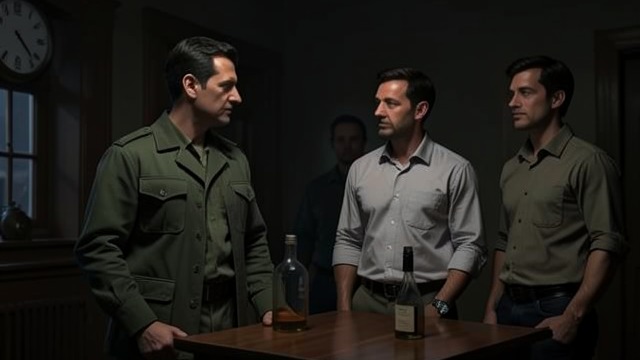
Practical help amid disorder
A friend still answers
As the narrator’s postwar life deteriorates, James remains part of his social world. He is himself troubled and unhappy, but he can still be organized enough to help with errands and make practical arrangements.
James’s presence is valuable because the narrator has become unreliable and isolated. Their friendship provides occasions for direct assistance even when neither man can offer the other a stable solution to addiction or psychological distress.
Mutual damage
The narrator recognizes that spending time with James can be dangerous when he is trying not to use drugs. James’s sadness and suicidal tendencies make him a powerful reminder of the despair both men have learned to live beside.
That recognition does not end their friendship. Instead, their closeness continues in a damaged form, held together by familiarity and need even as it sometimes makes recovery more difficult.
The Pancake Misunderstanding

A friendship carries a costly message
One invitation becomes a report
The narrator invites several friends to eat pancakes, but most decline; Zoë is the person who accepts. Roy later tells Emily about the outing in a way that makes it sound like a secret romantic date.
The account lands in a relationship already weakened by addiction, jealousy, and accumulated mistrust. Emily confronts the narrator, and the argument becomes one more point of rupture rather than a small misunderstanding that can be easily cleared up.
Complicity without intention
The narrator does not describe the event as a planned betrayal, but he does acknowledge that he was attracted to Zoë and pleased she came. His own mixed motives make the truth less simple than the innocent version he wants Emily to accept.
Roy’s version helps trigger the break, but the underlying instability predates the story. The incident shows how friendship can become entangled with a couple’s failing trust when everyone involved is already living through deception and drug use.
Arrest and Rehabilitation

Loyalty reaches its limits
A mistaken break-in
James is arrested after attempting to enter an apartment building he believes belongs to the narrator. He has a knife and drugs with him, and the narrator later learns that he has mistakenly targeted the wrong building.
The episode exposes how far James’s life has deteriorated. The same man once defined by gentleness and an aversion to trouble is now caught in legal trouble and drug use, without losing the vulnerability that made him easy to underestimate.
A difficult next step
James eventually enters drug treatment. The narrator remains in contact with him and continues to describe him as a friend, even as their lives move in different directions and their relationship becomes harder to sustain.
His treatment marks a tentative attempt to interrupt the cycle, not a guaranteed resolution. James’s fate remains uncertain, but his story preserves the possibility that someone formed by loneliness and addiction might still accept help.
Before the narrator’s enlistment, during their Cleveland years
Early in the narrator’s college-era decline
After the narrator returns from the Army, during his worsening drug use
After Emily returns to the narrator’s household, before the final breakup
During the narrator’s later civilian collapse
