
The City's Forgotten Past
ChowringheeThis flow follows the novel’s movement between remembered urban history and the unstable present of Calcutta.
increasing Bearing strength in each event
 decreasing
Bearing strength in each eventdecreasingAn Old Waterway
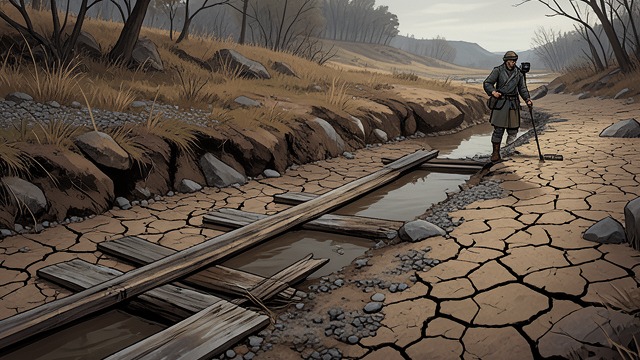
Landscape Replaced
Memory
Sata Bose describes an old lake near the promenade that was drained, revealing fish and mud used in later construction. The familiar city once held a different geography.
Change
Trams and clubs now occupy places where water and marsh once shaped movement. Urban progress is also a process of forgetting.
The Canal and the Bars
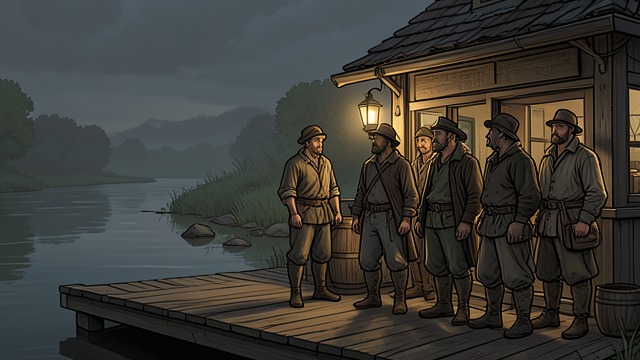
Routes of Arrival
Early Taverns
Hobbs connects the city’s first bars to sailors and travelers who reached Calcutta by difficult routes. Before the Suez Canal, lodging and entertainment were scarce.
Expansion
The canal’s opening in 1869 brings more European travelers and helps hotels and restaurants flourish. Infrastructure changes the city’s social life.
The Hotel's Artifacts

Objects as Evidence
Clues
Old sketches, framed newspaper reports, and remembered furnishings connect the Shahjahan to former owners and guests. The hotel’s material surfaces preserve traces of earlier eras.
Fragility
Many details survive only because one person kept a clipping or told a story. Historical memory depends on accidental preservation.
Bose's Unwritten Record
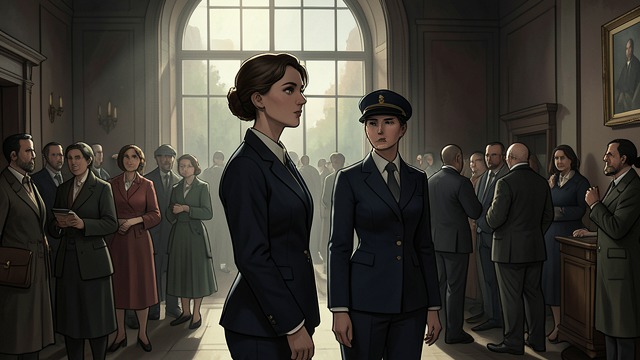
History Outside Books
Reflection
Sata Bose imagines a receptionist watching Vidyasagar embrace Michael Madhusudan Dutta in 1867. A busy employee might have witnessed a major moment without knowing its future meaning.
Omission
The novel distinguishes official history from the many truths that remain unwritten. Ordinary witnesses may be the only surviving link to forgotten events.
The Hotel Outlives Its Staff
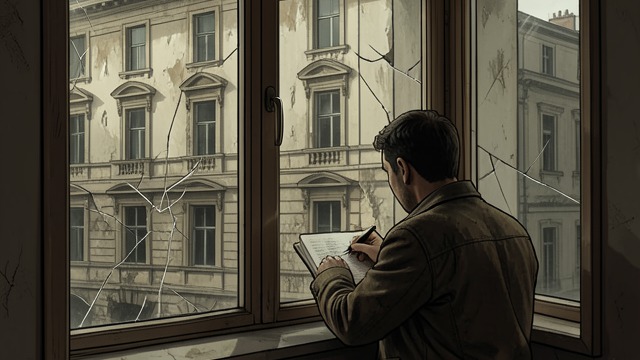
Continuity and Erasure
Survival
The Shahjahan persists through changes of management, staff, and clientele. Its architecture appears stronger than the human relationships formed within it.
Remembrance
Shankar’s writing resists the building’s indifference by recording people the hotel will not remember. The novel makes storytelling an act of preservation.
Before the Maidan's present streets took shape
From 1762 to 1869, in Hobbs's historical account
During Shankar's early hotel days
During a later conversation about the nineteenth century
Near the ending, as Shankar considers leaving
