Friends are a family that you pick
Cinnamon Bun“Friends are a family that you pick” is a defining expression of Broccoli Bunch’s understanding of friendship. Spoken while comforting Amaryllis after a nightmare about the cervid who had taken her and a family that did not want her back, the sentence turns friendship from a casual affection into a chosen form of kinship. It also gathers together Broccoli’s wider movement through the story: from an isolated adventurer who meets strangers by chance to someone whose survival, moral decisions, and sense of home are shaped by deliberate bonds.
Meaning and Immediate Context
The expression appears during the voyage aboard the Shady Lady, when Amaryllis is frightened by a nightmare. She recalls that the cervid took her and that her family did not want her back, dismissing the rejection with a strained claim that it is ridiculous. Broccoli answers by separating the nightmare from the present and, more importantly, by refusing to let biological rejection define Amaryllis’s worth. The reassurance has two parts: the abduction did not happen in the immediate reality of the room, and Amaryllis remains Broccoli’s friend regardless of what her family chose.
The line therefore operates as more than comfort. It names a principle Broccoli has begun to live by: family can be formed through loyalty, protection, and mutual recognition rather than inherited membership. Its emotional force comes from the contrast between involuntary family and voluntary friendship. Amaryllis’s blood relatives may have failed to reclaim her, but Broccoli offers a relationship based on choice, making the act of choosing itself a source of security.
Broccoli’s Expanding Circle of Friends
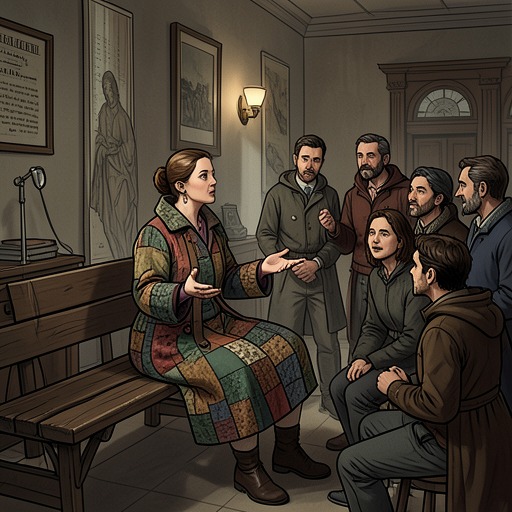
The expression is foreshadowed by Broccoli’s repeated attempts to turn encounters into relationships. When Donat announces that the party has found a human, Broccoli is introduced to a group of grenoils gathered beside the road, cooking stew, preparing a tent, and sharing a campfire. The meeting begins as an encounter between strangers, but Broccoli hopes that the group might someday become a shared circle, even after the party departs. The separation does not erase the bond; instead, it gives Broccoli a reason to imagine meeting them again.
That departure produces a concrete confirmation of the same emotional pattern. After saying goodbye, Broccoli leaves for the unknown while wondering whether it would be possible to belong to the same group. The system then rewards the repeated Special Action with the general skill Friendmaking. The mechanical reward makes visible what the expression later states in personal language: forming connections is not incidental to Broccoli’s adventure but an action with consequences, a learned capacity that grows through repeated encounters.
Broccoli also exchanges knowledge in order to build trust. When Leonard asks what Broccoli knows, Broccoli retrieves the map of Threewells and offers it as a possible bargain for food or another useful return. The crude map records Broccoli’s exploration, while the act of handing it over converts private experience into social currency. Friendship and alliance in this world are not sentimental abstractions; they can begin through shared information, hospitality, and negotiated dependence.
Friendship Tested by Violence and Institutions
The expression gains weight because Broccoli’s friendships are repeatedly tested by danger. During the rescue of Amaryllis, Broccoli kills Titan and Rex, and the system announces that both were above Broccoli’s level, while reducing the reward because Broccoli was not the primary combatant. Broccoli experiences the result not as a simple victory but as a moral crisis, telling Amaryllis that people have been killed and insisting that killing is wrong even when the dead were doing something bad.
Amaryllis rejects Broccoli’s self-condemnation. She identifies Titan and Rex as mercenaries who tried to kidnap her and characterizes their deaths as the removal of dangerous obstacles rather than a betrayal of moral principle. Her response does not merely excuse Broccoli; it answers guilt with reciprocal commitment. She calls Broccoli an idiot for compromising so much for her, then hugs Broccoli and acknowledges the depth of that sacrifice. The scene shifts friendship from a pleasant label into an ethical relationship in which one person accepts risk for another and the other person bears witness to that cost.
The danger is followed by an explicit misunderstanding. Broccoli announces happiness at having made a friend, while Amaryllis questions whether shared harrowing experiences and a rescue are enough to make them nest buddies. Broccoli’s smile fades and tears gather, revealing how much the word matters. The expression later resolves this insecurity by presenting friendship as chosen family: the bond does not depend on a formal ritual, identical background, or immediate agreement about its name.
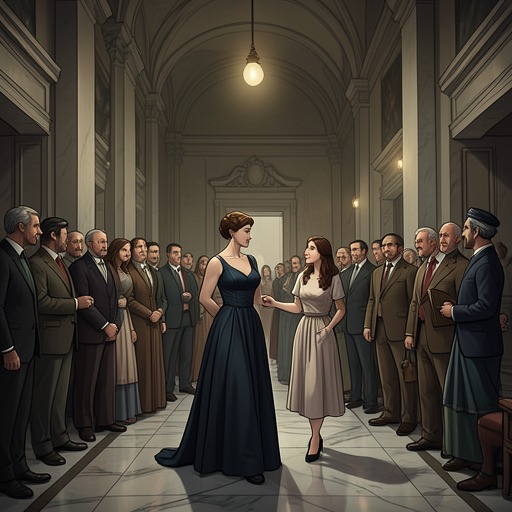
Institutional belonging is tested at the same time. When the Exploration Guild considers rejecting Broccoli because Rainnewt admitted Broccoli without proper channels and arranged the missions, Amaryllis argues that expulsion would be irrational. Rainnewt has disappeared, the guild’s procedures have been bypassed, and Amaryllis believes he was involved in arranging her kidnapping. Abraham proposes a compromise: he can take Amaryllis and Broccoli west to Greenshade and deliver them to the guild branch there. The arrangement shows the difference between official membership and personal trust. Broccoli’s place in the guild is uncertain, but Amaryllis insists that Broccoli belongs beside her because she trusts Broccoli.
Chosen Kinship and Narrative Significance
The expression condenses a broader contrast between cleansing, death, and companionship. Broccoli’s touch can send Bonesy beyond the veil, and the system marks the act as cleansing a monster above Broccoli’s level; later, a dangerous quest ends with a system declaration of completion and thanks for sacrifice. These events show a world that classifies actions through rewards, levels, and consequences. Against that impersonal structure, “Friends are a family that you pick” supplies a human measure: a person is not merely a level, a guild member, a relative, or the survivor of an encounter, but someone whom another person actively chooses to keep.
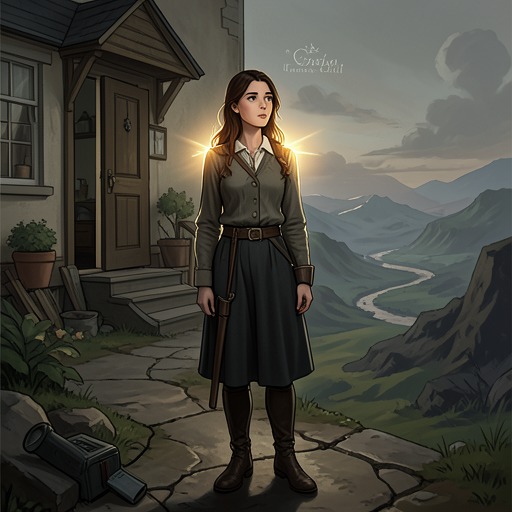
The phrase also gives language to Broccoli’s changing social position. Broccoli meets the grenoil expedition by chance, trades a Threewells map, learns Friendmaking, saves Amaryllis, kills her abductors, and defends their association before the Exploration Guild. Each step enlarges the network around Broccoli while exposing the vulnerability of belonging. Friendship may begin in a smile or a shared meal, but it becomes durable when it survives departure, institutional suspicion, moral disagreement, and fear.
Its decisive significance lies in the final reversal of abandonment. Amaryllis’s nightmare presents family as a source of rejection, while Broccoli’s answer presents friendship as a family created through choice. The sentence does not erase what happened to Amaryllis or promise that chosen bonds are painless. It asserts instead that belonging can be rebuilt after blood ties fail, and that the act of choosing a friend can itself become an act of rescue.