
Yehoshua's Orphanhood and Survival
City of GodThe child who loses his parents in the Kovno Ghetto endures by becoming a runner and carries the shadow of that life into adulthood.
increasing Bearing strength in each event
 decreasing
Bearing strength in each eventdecreasingThe Boy under the Attic Window
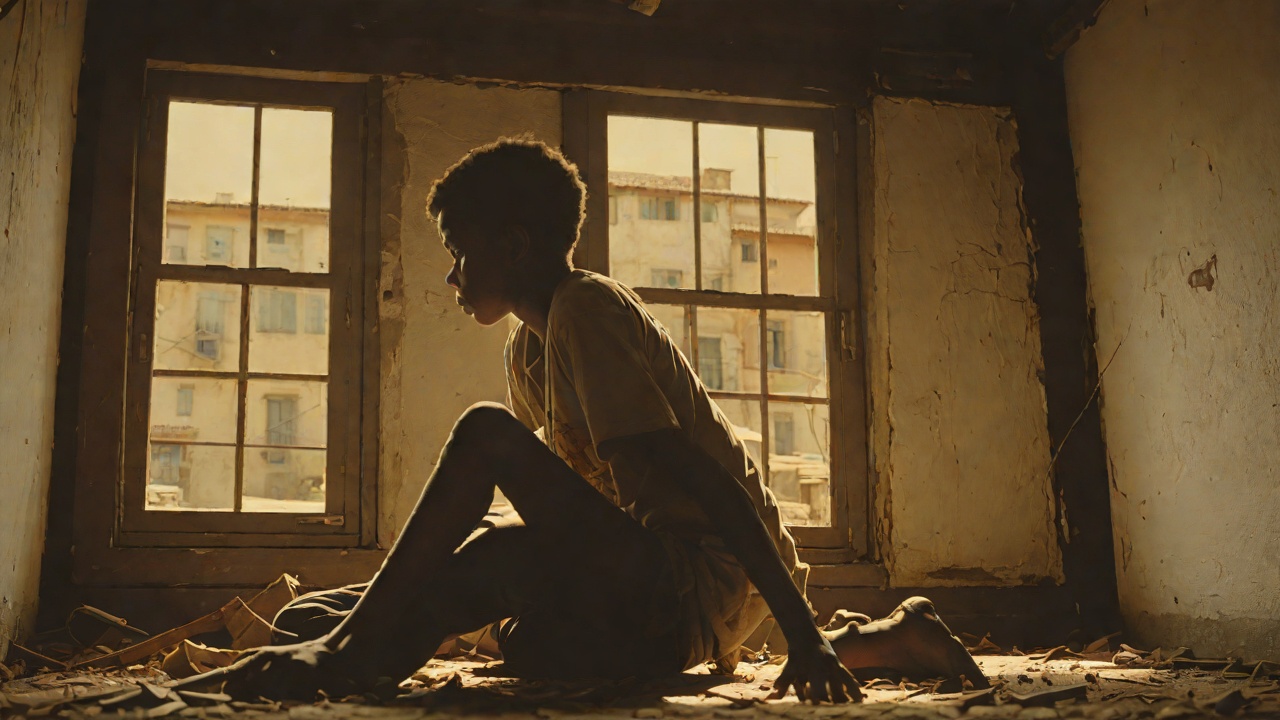
The Boy under the Attic Window
Context
Yehoshua is a naturally late-speaking child who lives in an attic room with a small window. His mother hides books behind a wall board and makes assignments and tests for him. His father is an agrarian economist who secretly consults the council; his mother teaches until the Germans close the schools.
Significance
The domestic order before the catastrophe shapes Yehoshua's character. He is a studious, observant child who learns to love tests and to watch his parents' adult love as if from a great distance. The window is his eye on a world that is about to become impossible.
Consequences
The parents disappear into the machinery of murder, and the boy is left with a library of memories, books, and a garden his father designed. He will never stop waiting for them.
The Tailor's Fake Grandson

The Tailor's Fake Grandson
Context
A woman from the council gives Yehoshua a new identity as Yehoshua Mendelssohn and places him with Srebnitsky, a tailor whose own grandson was killed by a Lithuanian mob. The old man accepts the boy as a kind of boarder, mends his clothes, and teaches him through caustic comments on the Bible. Yehoshua sleeps on a daybed in the tailor's front room.
Significance
The false grandson relationship combines charity and estrangement. Srebnitsky is a skeptic who finds comfort in no God yet treats the boy with practical care. The tailor's hands are his signature: nimble, beautiful, and doomed.
Consequences
Yehoshua learns to read the world through the eyes of an iconoclast. He also learns what it means to live under a borrowed name, a lesson that will define his future as a runner.
Becoming a Council Runner
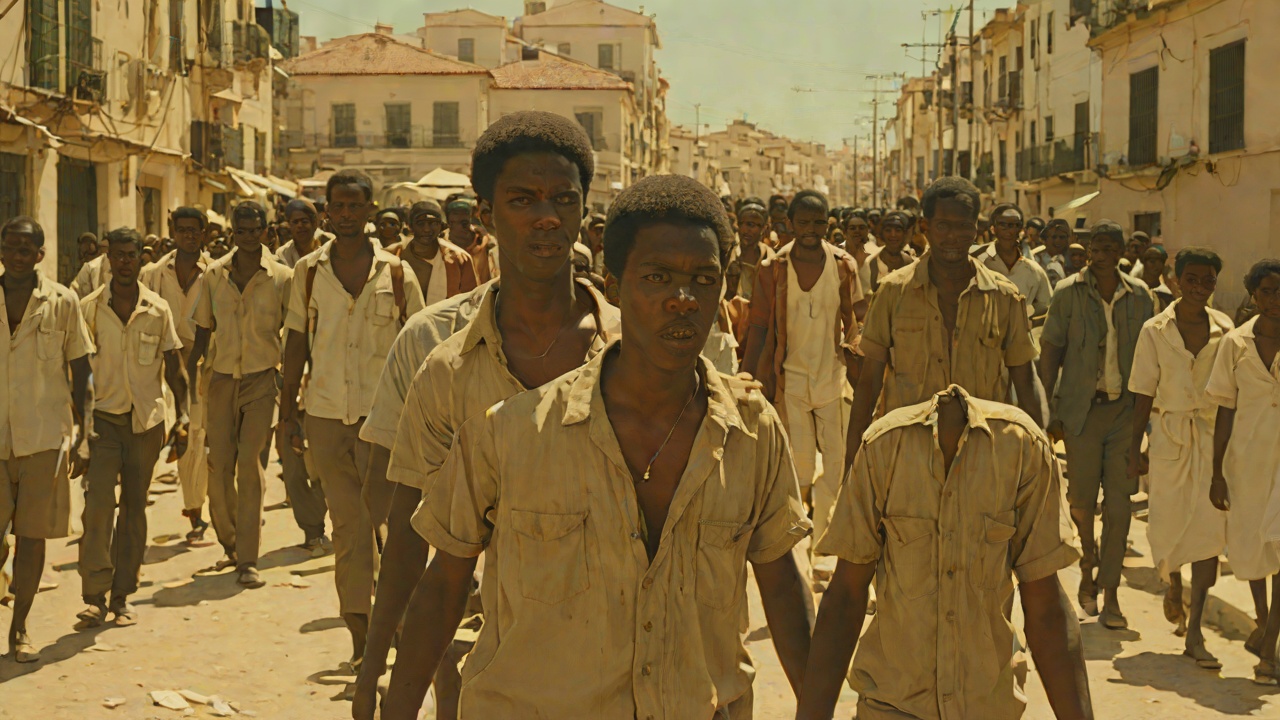
Becoming a Council Runner
Context
After the tailor is hanged, Yehoshua has no protector. Josef Barbanel places a garrison cap on his head and makes him a runner for the Kovno Ghetto Council. He joins a dormitory of boys with names like Joel, Isaiah, Dov, and Micah, each of them an orphan, each of them keeping silent secrets.
Significance
The runner cap gives Yehoshua a function and a status. He feels a perverse military pride even as he knows the star on his jacket is a mark of death. His role as messenger places him at the nerve center of the ghetto's impossible administration.
Consequences
Yehoshua becomes the boy who knocks on doors to warn the hidden, who watches from roofs for the open cars, and who learns to keep his own counsel. The stoicism of the runners is the stoicism of the doomed.
The Archive Smuggler
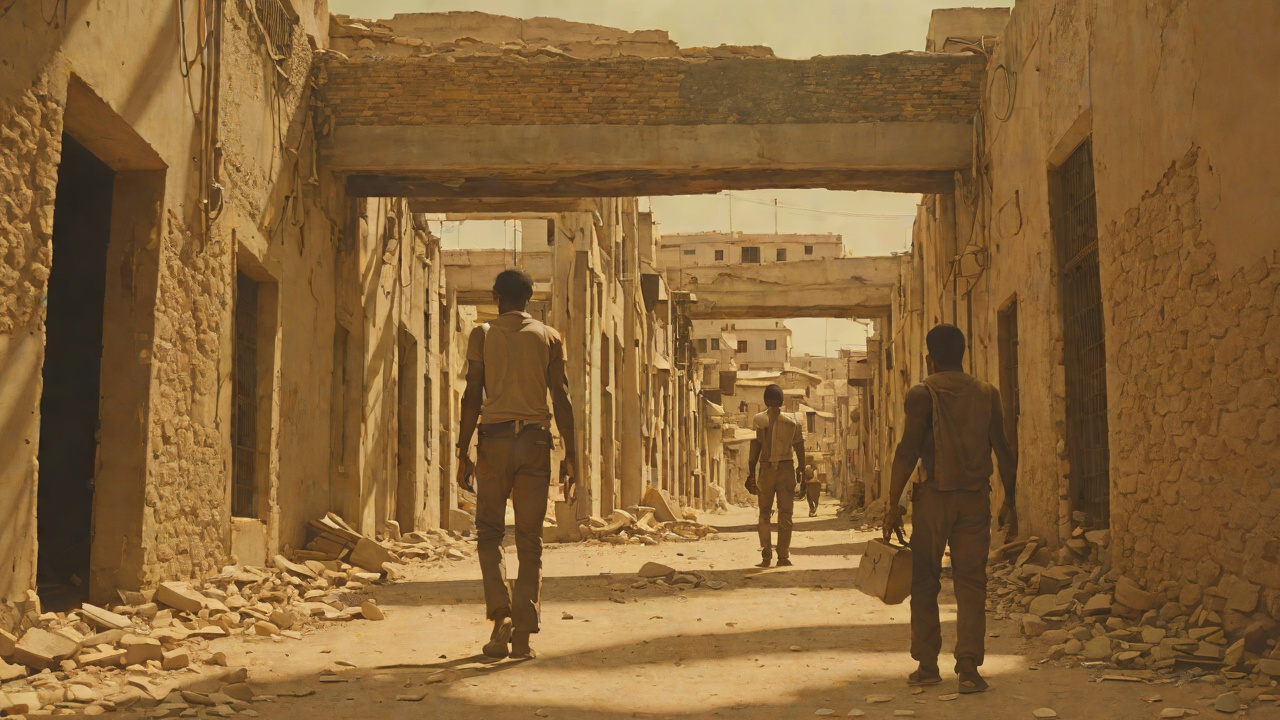
The Archive Smuggler
Context
Barbanel entrusts Yehoshua with the most dangerous task of his short life: carrying the secret archive through an abandoned viaduct into the city. He crosses the river at a bend, rides a streetcar, and delivers the oilcloth packets to a Catholic priest at the Church of St. Theresa. Each trip returns him to the cage of the ghetto.
Significance
The smuggling makes Yehoshua a living link between the doomed ghetto and the larger world. He sees the occupied city, the Nazi flags, the civilians going about their business, and feels with a child's full force the catastrophe that has swallowed him. He could hide in the city, but he always returns.
Consequences
The experience gives him a secret identity as Yehoshua X, Secret Agent Mystery Boy. It also prepares him to understand that history may be preserved even when its authors die.
The Adult Who Carries the Other-Named Boy
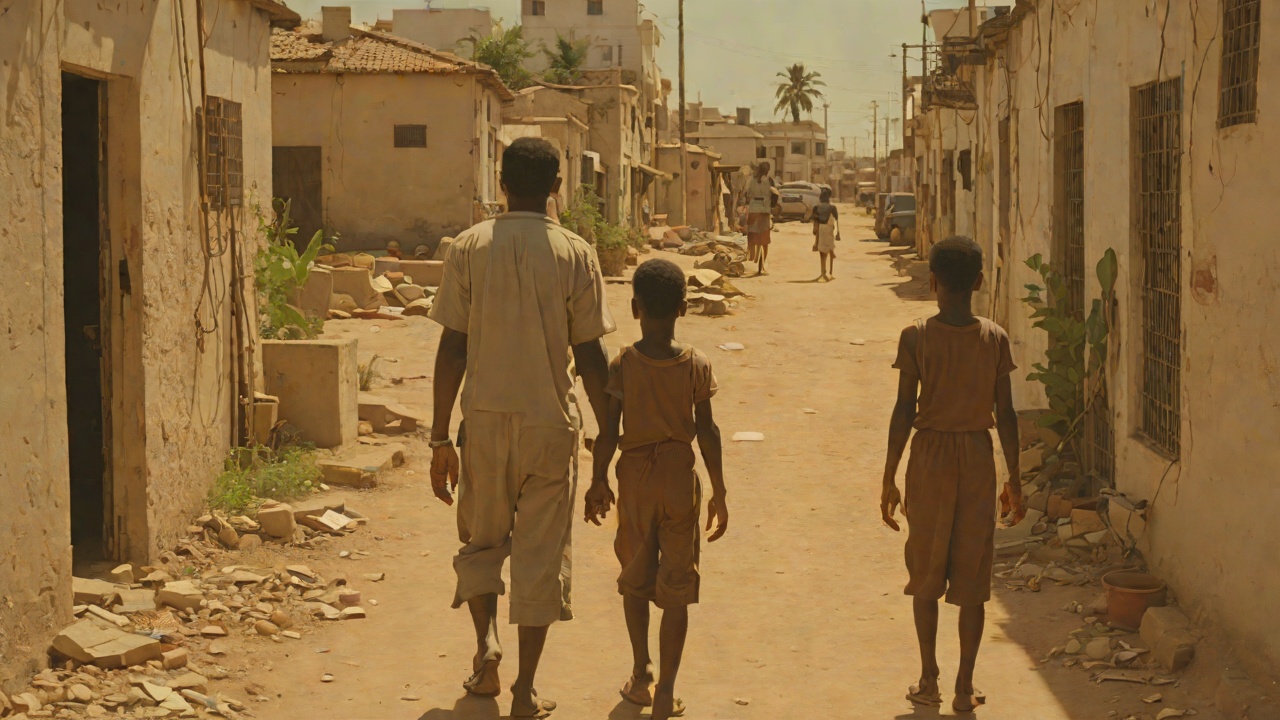
The Adult Who Carries the Other-Named Boy
Context
In old age, Yehoshua speaks to his daughter Sarah about his life. He describes his years as a runner, his love for Greta Margolin, his friendship with Barbanel, and his survival in the boxcar. He admits that he has always carried with him the shadow of the other-named boy of his lost history.
Significance
The adult's life is a blessing, but the child's death is never undone. Yehoshua's testimony is the emotional core of the novel's Holocaust meditation. His survival is not a triumph but a haunting, a memory that cannot be exorcised.
Consequences
His story becomes the reason Joshua Gruen travels to Vilnius and Pem completes the search. His words are what Sarah finally unseals with the archive.
before the ghetto, during the German occupation of his city
after the deaths of Srebnitsky's real family and the disappearance of Yehoshua's parents
after Srebnitsky's hanging, when the council takes Yehoshua into its dormitory
from late summer into autumn, before the viaduct is discovered by the Germans
after the war, when Yehoshua has become Sarah Blumenthal's father
