
Barbanel and Greta Margolin
City of GodThe ghetto's official historian and its only real nurse love each other at the center of an impossible moral machinery.
increasing Bearing strength in each event
 decreasing
Bearing strength in each eventdecreasingThe Council Historian
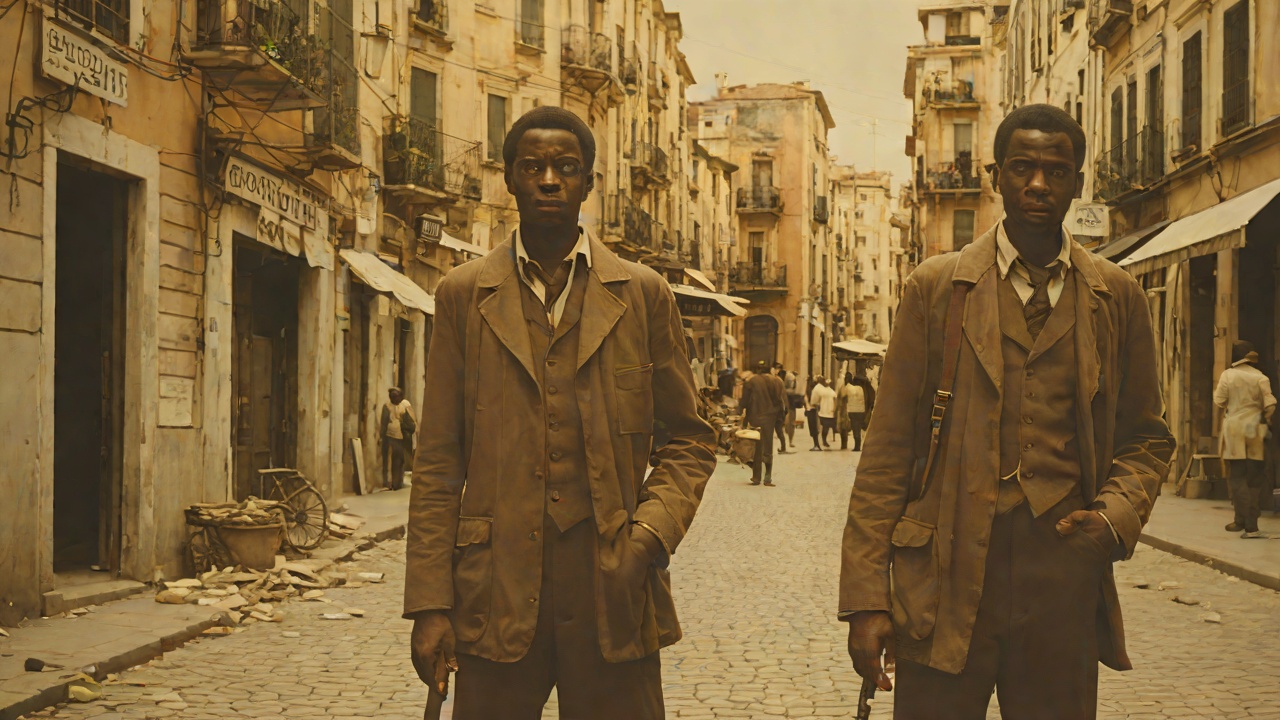
The Council Historian
Context
Josef Barbanel, a lumber dealer before the war, becomes the chief aide to Dr. Koenig and the ghetto's secret historian. He writes down every order, execution, regulation, and testimony in a tiny Yiddish hand, keeping the archive hidden from the Germans. He also keeps a shortwave radio in the runners' attic.
Significance
Barbanel's diary is an act of witness so dangerous that it must be smuggled out in pieces. His passion to record the present moment makes him a hero of memory in a regime designed to eradicate both people and records. He treats history as an immense human claim on the future.
Consequences
His activity places everyone around him at risk, but it also gives the ghetto a purpose beyond survival. Yehoshua is drawn into the work as his messenger and eventual inheritor.
The Nurse's Smile
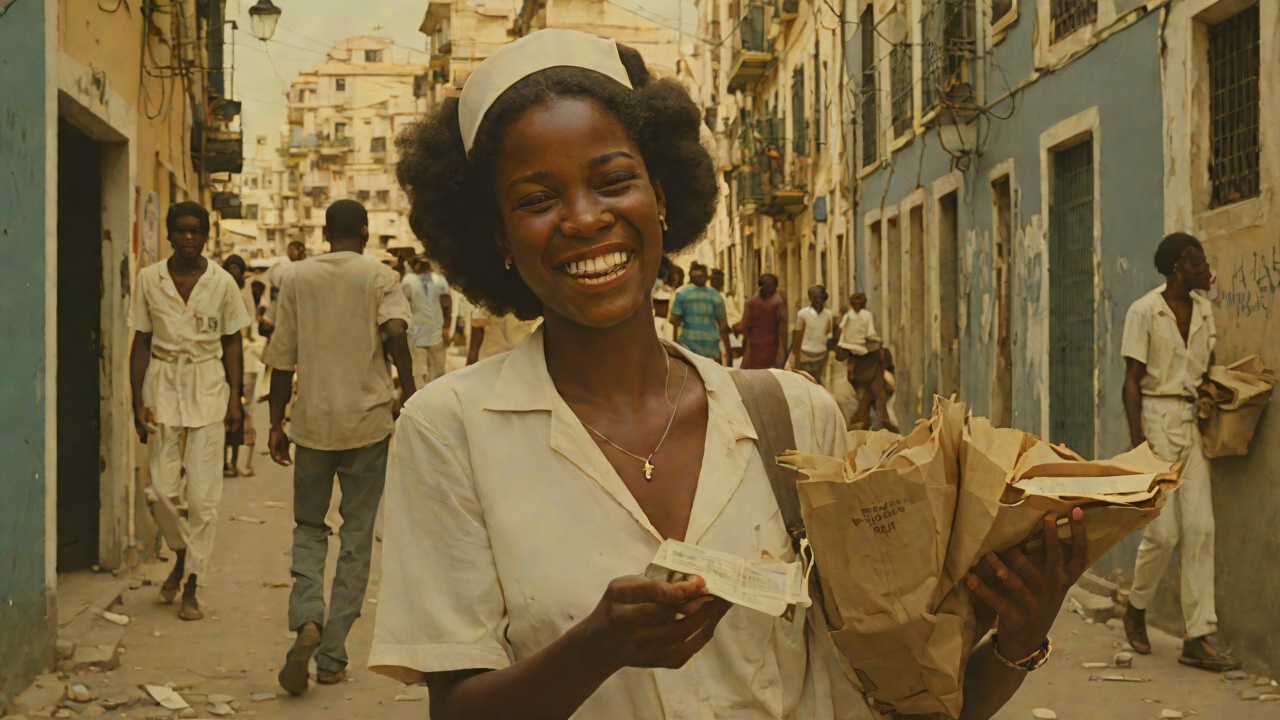
The Nurse's Smile
Context
Yehoshua carries Barbanel's packets to Greta Margolin, the only real nurse in the ghetto and Barbanel's lover. She is a woman of prominent cheekbones and straw-colored hair, with a smile that breaks out spontaneously. She calls Yehoshua her boyfriend and accepts the manuscript packages with a soft laugh.
Significance
The smile is an oasis of human love in the ghetto's desert. Yehoshua, a boy hungry for tenderness, falls in love with her. Her courage is as great as Barbanel's because she smuggles pregnant women out of the ghetto and hides the archive at her own risk.
Consequences
Yehoshua's devotion to Greta deepens his loyalty to Barbanel and to the enterprise of preserving memory. Her presence proves that even in the most degraded circumstances, affection can remain a form of resistance.
The Grundig Radio at Night
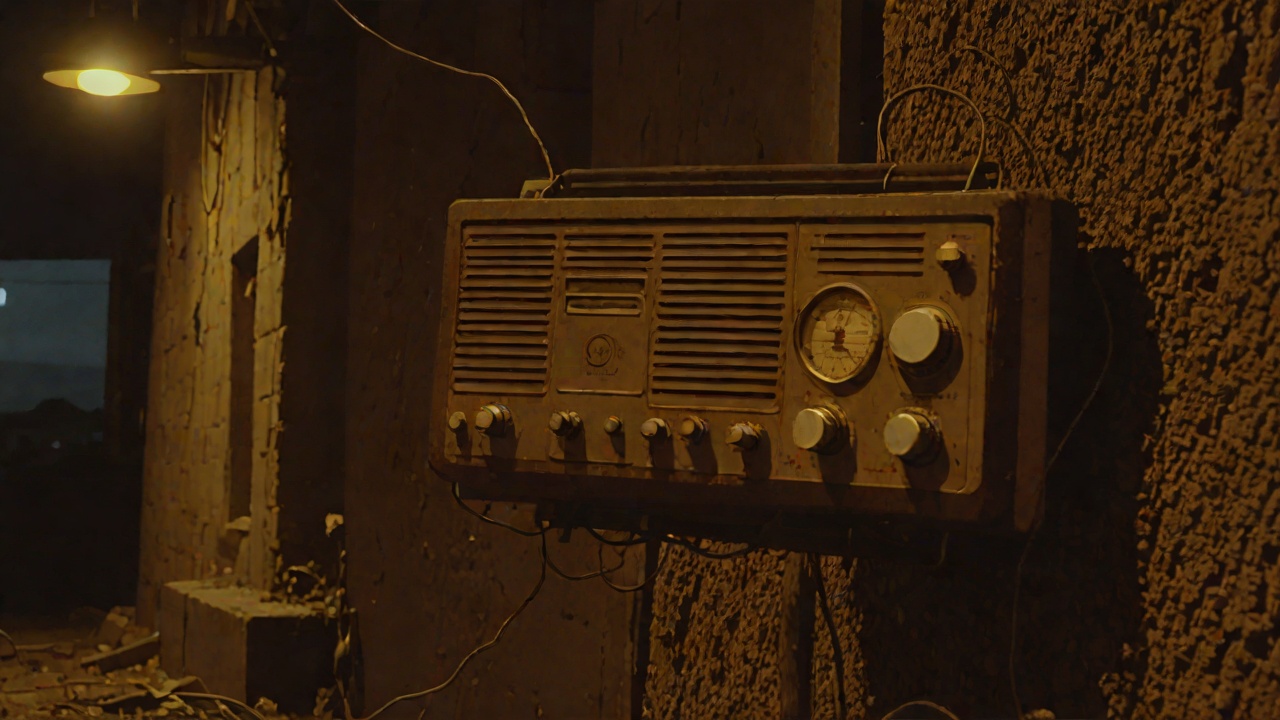
The Grundig Radio at Night
Context
Barbanel climbs to the runners' attic and plugs in a battered Grundig radio hidden inside the wall. With earphones on, he listens to the late-night British news broadcast. The boys watch his face for signs of hope, and for fifteen minutes the ghetto is connected to the rest of the world.
Significance
The recipe becomes a sacrament of solidarity. The glowing dial, with its immutable numbers, gives Yehoshua the childish idea that numbers are God's handiwork and the Messiah will be as self-evident as two plus two. The radio also deepens the intimacy between Barbanel and the boys he leads.
Consequences
The radio binds the small dormitory into a secret community. It sustains morale in the long nights before the liquidations begin.
They Stay Behind
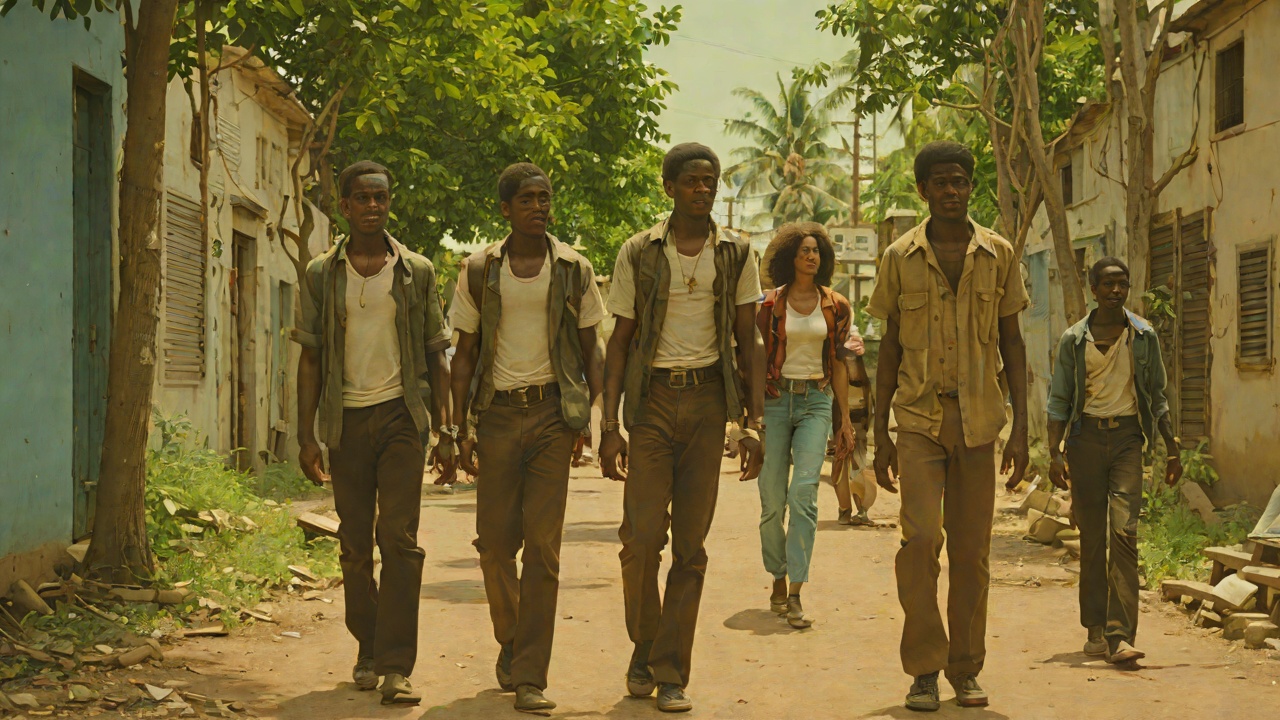
They Stay Behind
Context
When the partisans propose to lead people to the forest, Barbanel and Greta Margolin choose to remain in the ghetto. He cannot leave the council; she cannot leave him or the small children under her care. Yehoshua, coming to understand adult love through them, also decides to stay.
Significance
The decision is both an act of commitment and a sentence of death. Barbanel and Greta embody a love that is indistinguishable from responsibility. Their staying makes the later archive's survival a testimony to a love story as well as to a crime.
Consequences
Neither survives the liquidation. The archive they protected is hidden somewhere in the earth of Eastern Europe, in the rubble of its Christian tradition. The lovers themselves vanish, leaving only the boy's worshipful memory.
Papers Hidden in the Earth
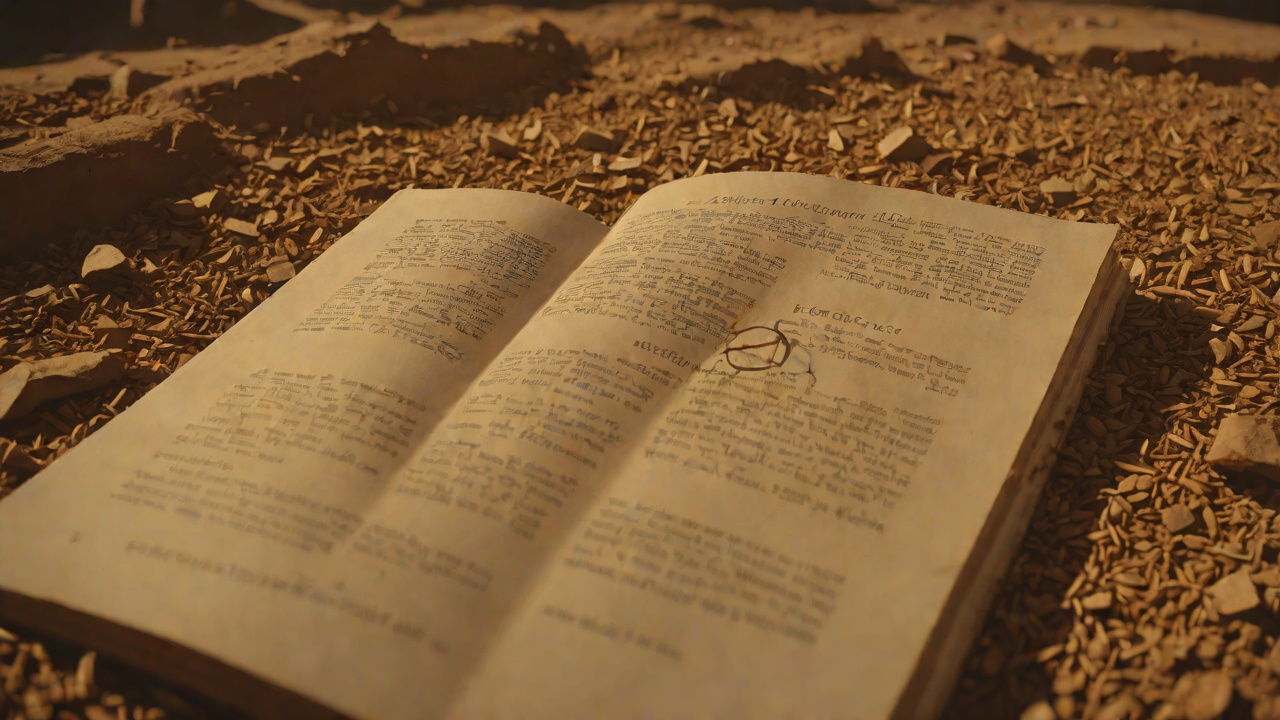
Papers Hidden in the Earth
Context
Yehoshua tells Sarah that the diary and the archive, hidden by Barbanel and Greta, remain undiscovered somewhere in the rubble of Eastern Europe. He confesses that neither he nor anyone else was able to reclaim them until Joshua's quest. He calls them ordinary folk, resplendently nothing special, whose lives were nonetheless great.
Significance
The image of papers hidden in the earth turns the archive into a buried soul awaiting resurrection. It explains why the recovery of the chest in Moscow and the unsealing at JFK feel like a homecoming. The lost lovers become the guardian spirits of memory.
Consequences
The novel insists that the dead are not fully dead while their words are hidden. The archive's eventual return is the closest the book comes to a resurrection.
throughout the middle years of the Kovno Ghetto
during Yehoshua's runs to the hospital, when he first meets Greta Margolin
two or three nights a week, before the archive must be moved
when the partisans offer escape from the ghetto
after the war, when Yehoshua remembers them as resplendent ordinariness
