
The Kovno Council's Impossible Choices
City of GodFrom the burning of the hospital to the partisan escape, the council of the Kovno Ghetto is forced into a brutal calculus of survival.
increasing Bearing strength in each event
 decreasing
Bearing strength in each eventdecreasingThe Burning of the Hospital
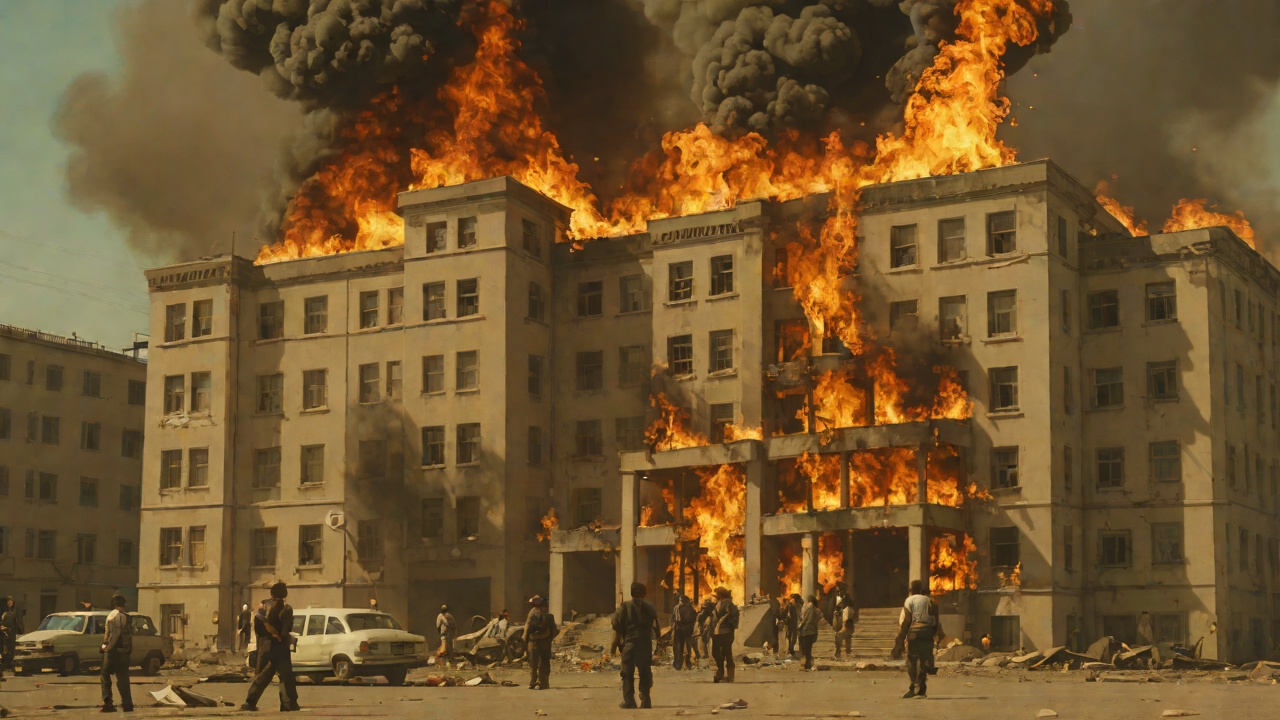
The Burning of the Hospital
Context
The Germans surround a cluster of houses serving as a hospital, board up the doors and windows, and set it on fire. Sixty-five people, including twenty-three children, die. Yehoshua's father, a secret consultant to the council, resigns in despair after the council decides to do nothing but formally protest.
Significance
The attack reveals the German's logic: the sick are a threat to the labor supply. It also reveals the council's powerlessness and complicity. For Yehoshua's father, the pretense of common humanity with the Germans becomes unbearable.
Consequences
The boycott? No, the father's despair deepens. Moments later he and the boy's mother disappear, and Yehoshua is left an orphan.
The Intelligentsia Roundup
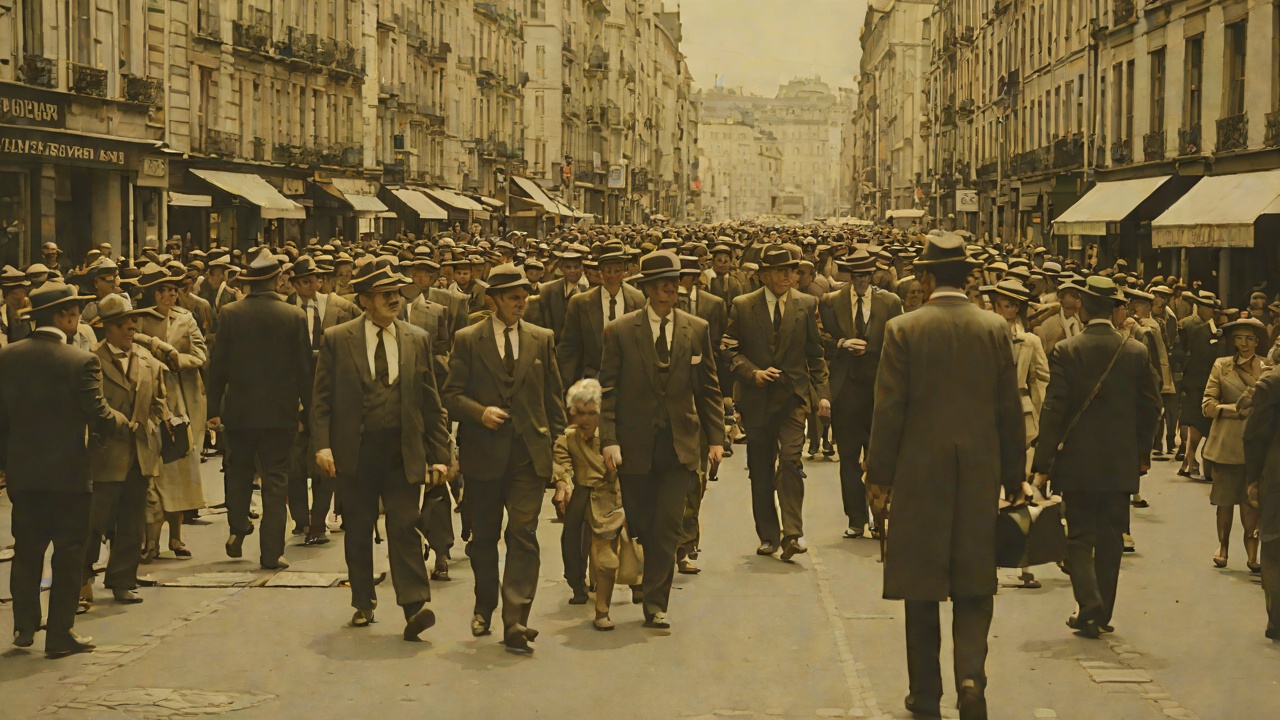
The Intelligentsia Roundup
Context
The Germans post a notice calling for a hundred intelligentsia as curators for the city archives. Yehoshua's father argues that the risk is worth taking, hoping to make contact with the Resistance; his mother believes the Germans cannot be trusted. The volunteers are trucked to the old fort and shot.
Significance
The roundup is a murderous deception, and the council is powerless to prevent it. The argument between Yehoshua's parents becomes a miniature tragedy of hope and mistrust. His father's belief in a connection to the Resistance is fed by the very despair that will destroy them.
Consequences
Yehoshua will never know the exact circumstances of his parents' deaths. The roundup solidifies the ghetto's understanding that the Germans are capable of any lie.
Partisans Propose an Escape
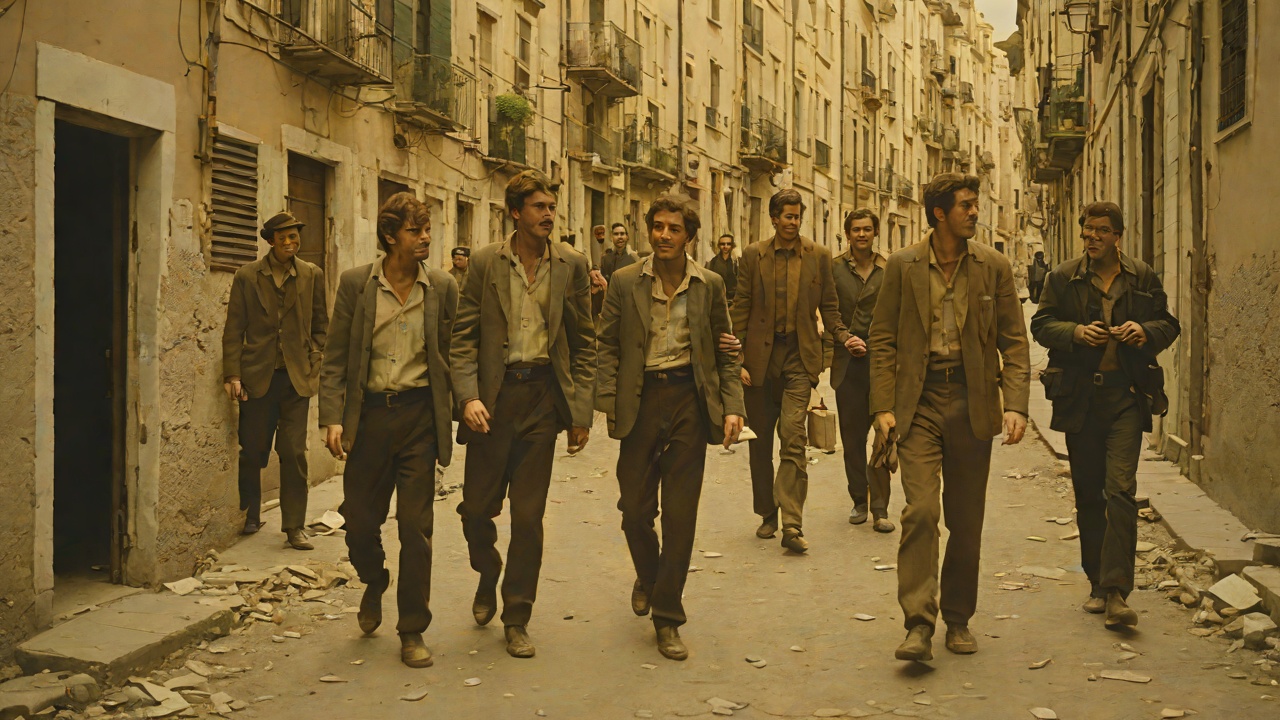
Partisans Propose an Escape
Context
Three Jewish partisans enter the ghetto through a trapdoor and urge the council to let people leave. Benno tells them the Germans will slaughter everyone and then destroy the evidence. He argues with Rabbi Pomeranz and Barbanel, and the young woman insists that people must choose for themselves.
Significance
The partisans represent armed resistance, generational anger, and freedom at the cost of extreme risk. The council is old, cautious, and responsible for the entire community. The conflict between staying to keep the ghetto functioning and leaving to fight in the forest is the central moral crisis of the ghetto's last years.
Consequences
The council agrees to spread the news of escape, but only in a slow, careful way. Some people leave; most do not.
The Council's Secret Deliverance
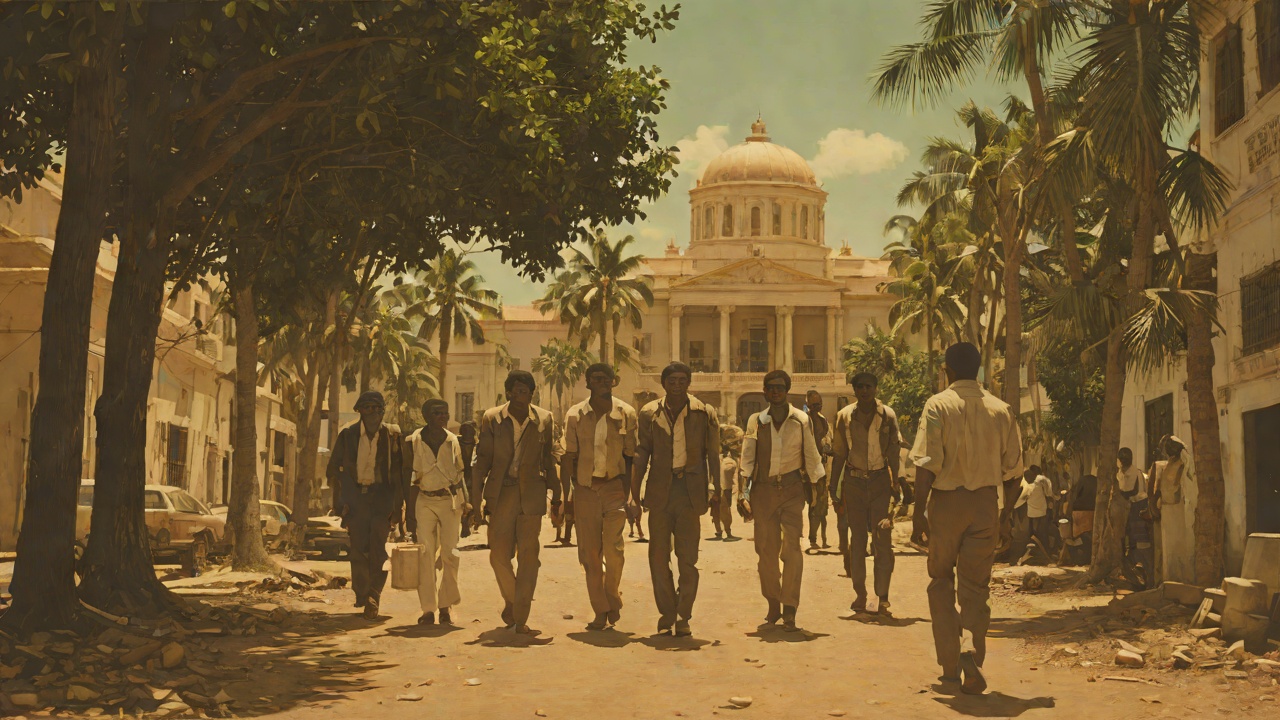
The Council's Secret Deliverance
Context
The council organizes an underground railroad through the partisans, selecting people fit to endure the forests and transferring their registration cards to others. Barbanel tells the runners they must decide for themselves: to stay or to go. Two of the six boys choose the forest, and Yehoshua chooses to remain.
Significance
The council's codified deception is itself an act of resistance. Every escapee is balanced against the terror of a single informer. The slow, painstaking approach saves hundreds but cannot save the whole.
Consequences
When the Germans seal the ghetto perimeter, the escape route closes. Barbanel and Greta are still inside, as is Yehoshua, who will face the trains.
Liquidation
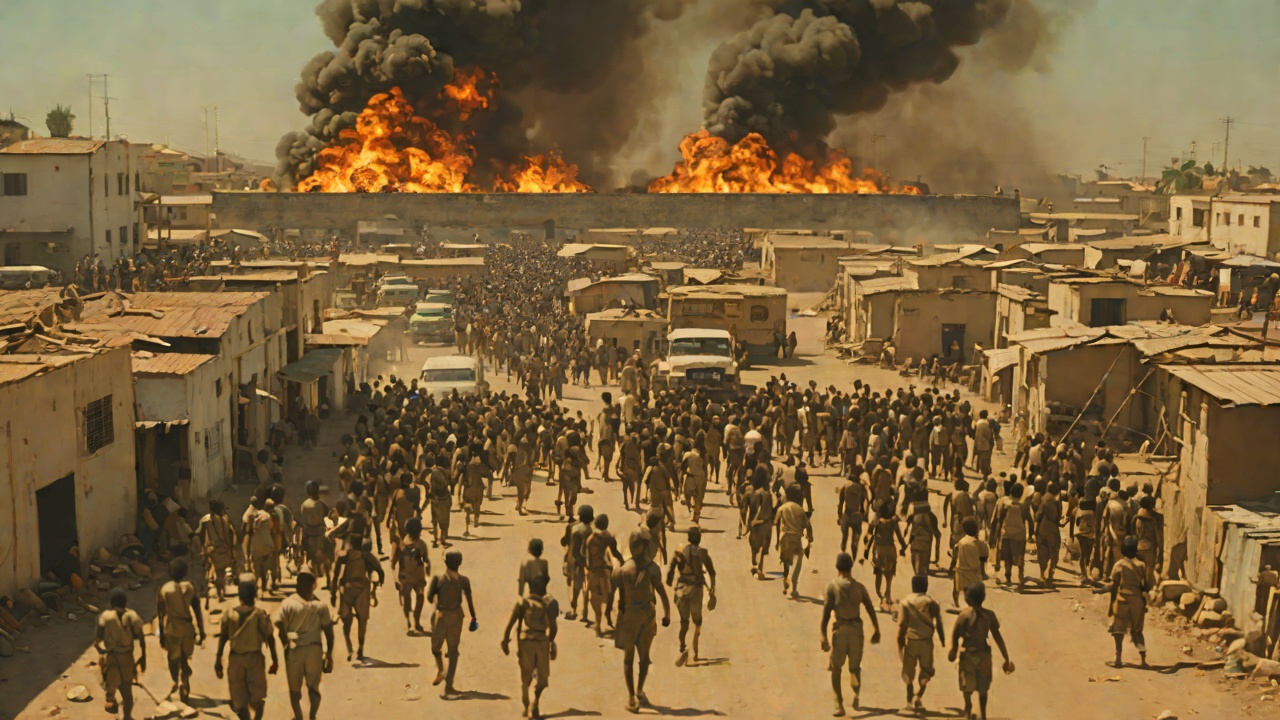
Liquidation
Context
Truckloads of troops pour over the bridge, houses are burned, and people are herded into the square. Yehoshua loses his runner's cap and climbs into a boxcar. Dr. Koenig stands helplessly in the crowd; Barbanel disappears from sight. The train moves into the darkness.
Significance
The liquidation is the final answer to all the council's agonizing choices. Nothing they did could prevent this. Yet the archive, the diary, and the testimony survive because the council kept records to the last possible hour.
Consequences
The ghetto ceases to exist, but Yehoshua lives. His survival carries the memory of the council's impossible decisions into the postwar world and into the novel that retells them.
early in the ghetto, when the Germans burn a hospital with sixty-five patients inside
soon after the hospital fire, when the Germans call for a hundred intellectuals
as the eastern front collapses and the Russians approach
in the months after the partisan meeting, before the liquidation
on the last day of the ghetto, when the survivors are packed into boxcars
