
The Bond Between Yehoshua and the Tailor
City of GodA fake grandfather and a borrowed grandson form a kinship of daily care and mutual learning in the ghetto.
increasing Bearing strength in each event
 decreasing
Bearing strength in each eventdecreasingThe Bogus Grandfather
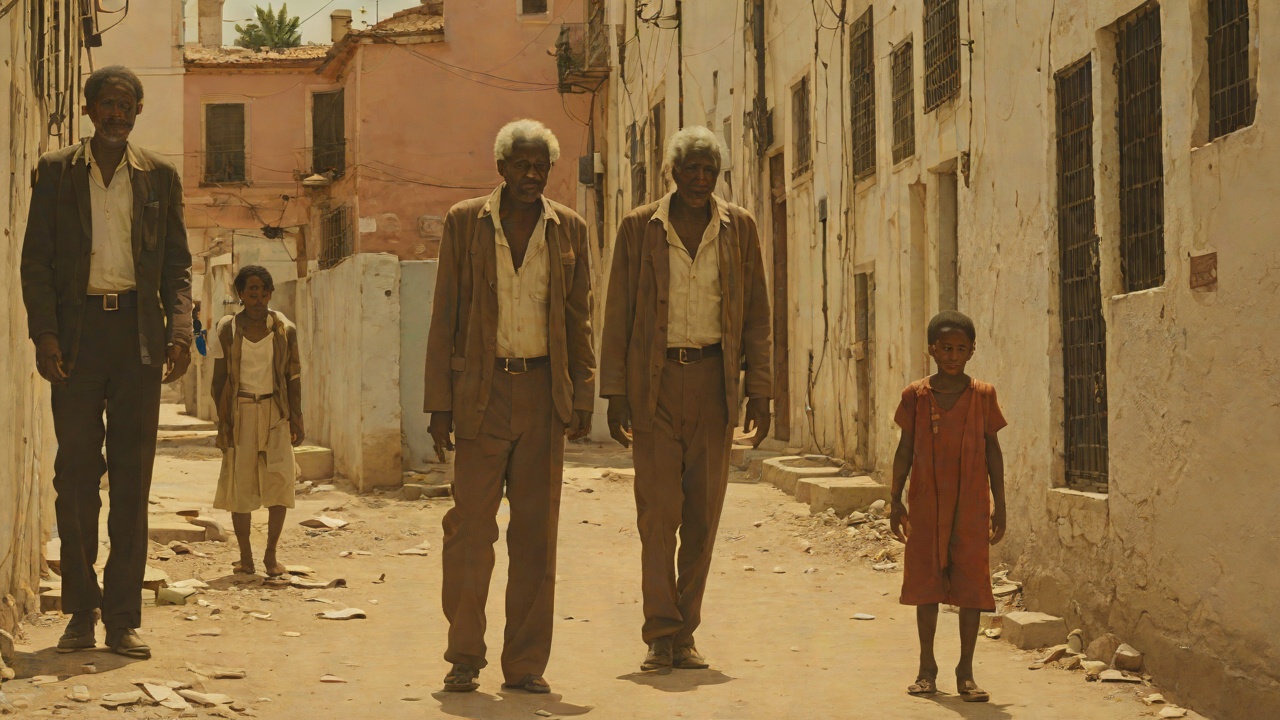
The Bogus Grandfather
Context
A frightened woman from the council brings Yehoshua to the tailor Srebnitsky and introduces them as grandfather and grandson. The old man is skeptical, ill-tempered, and smells of must. Yet he accepts the boy into his two-room house, mends his clothes, and gives him a place to sleep.
Significance
The relationship is based on a lie that becomes a form of truth. Srebnitsky owes the boy nothing, but he takes him in because the council has decreed it. The boy quickly learns that the tailor's hands, though old, are the most alive part of him.
Consequences
Yehoshua begins to study the tailor as a craftsman and as a thinker. The house on Demokratu Street becomes a temporary home.
Bible Lessons from a Skeptic
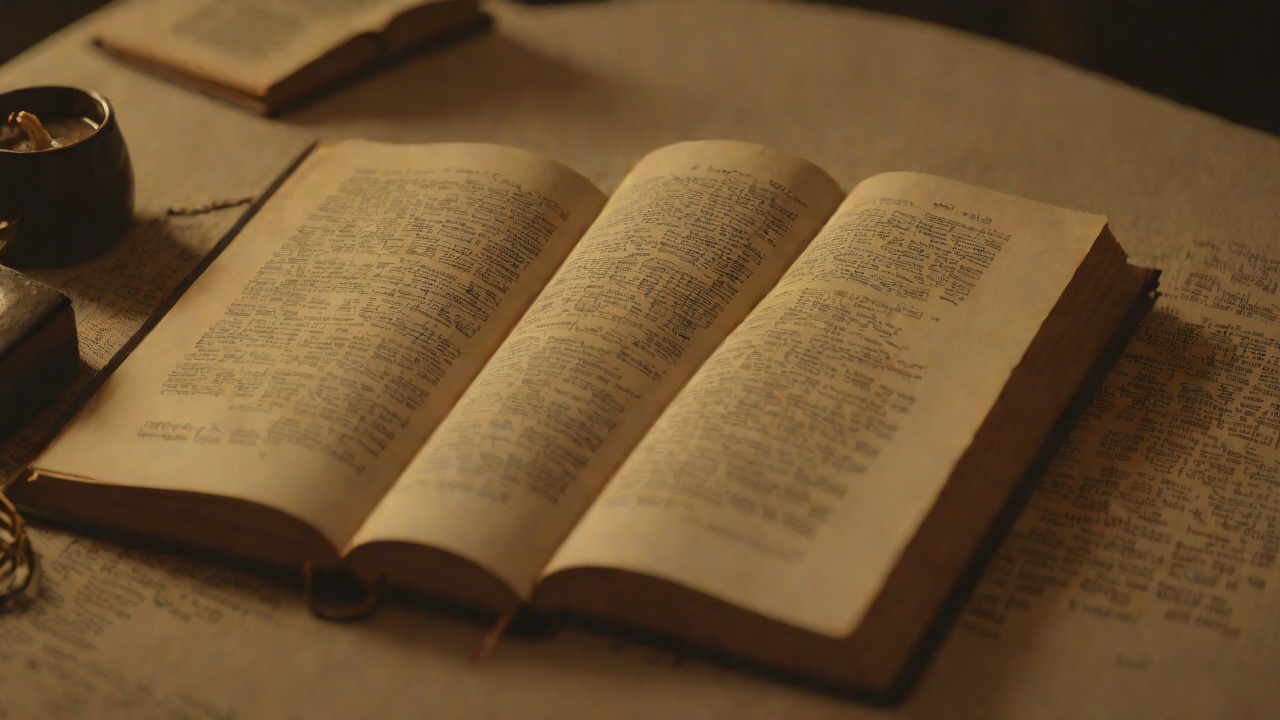
Bible Lessons from a Skeptic
Context
The only book in Srebnitsky's house is a Bible, and Yehoshua begins to read it closely. When he asks questions, the old man responds with a skeptic's delight, pointing out contradictions, impossible dates, and pious frauds. He tells the boy that the people who made up the stories knew less than they did.
Significance
Srebnitsky's anti-theodicy is both a philosophy and a survival strategy. He does not need God to justify the world; he needs his own craft and contempt. The boy is oddly comforted, inheriting a faith in reason that will serve him in the ghetto and after.
Consequences
Yehoshua learns to question everything. The bond with the tailor deepens as a shared intellectual resistance to the world as it is.
The Sewing Machine Return
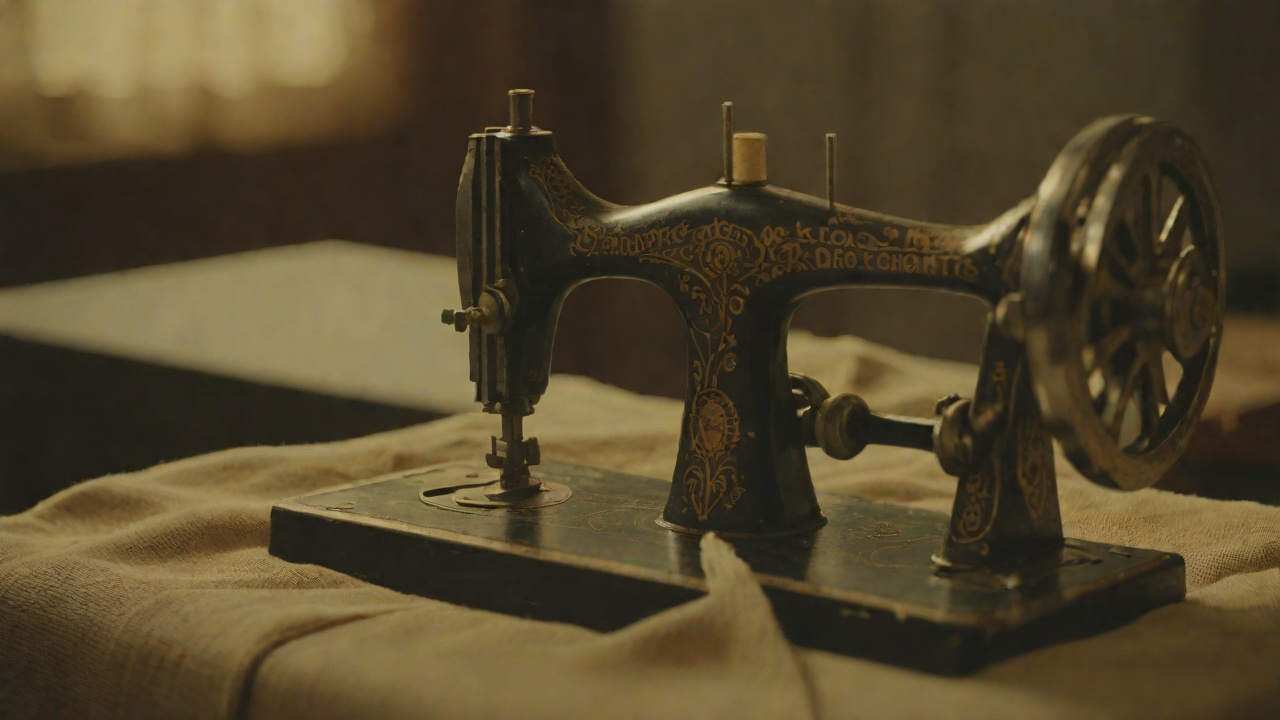
The Sewing Machine Return
Context
Srebnitsky receives a bolt of luxurious cloth and his confiscated sewing machine so he can make a uniform for S.S. Major Schmitz. He works in anger, muttering to himself. Yehoshua watches his hands and understands part of the old man's rage: his skills are being used to dress the enemy.
Significance
The uniform commission forces Srebnitsky into a degrading intimacy with the Nazi commandant. The boy feels the sting of his fake grandfather's compromised labor. Their bond is tested by the emasculating necessity of the work.
Consequences
The crisis builds toward Srebnitsky's fatal slash. Yehoshua is present to witness both the commission and the rebellion.
Watching the Old Man Fall
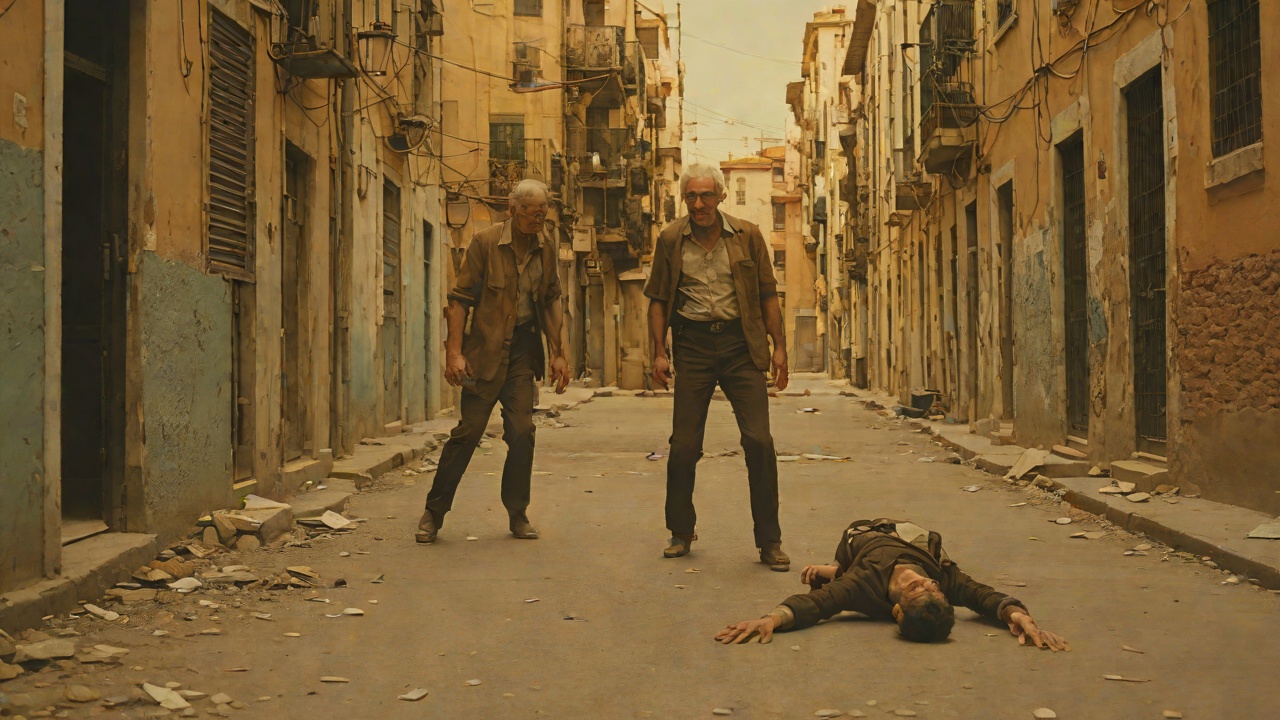
Watching the Old Man Fall
Context
From the entrance to an alley, Yehoshua watches the driver club Srebnitsky to the ground and kick him. The old man's hands, once nimble instruments, are mangled and bleeding. Yehoshua runs to him, but a neighbor pulls him away, telling him that Srebnitsky is finished and he must flee.
Significance
The brutal image marks Yehoshua's childhood forever. He carries guilt for having run away, though he was only a child. The bond with Srebnitsky is burned into him as the sight of a man who chose to fight back.
Consequences
Yehoshua becomes a runner for the council, carrying the old man's memory as an amulet of defiance.
A Grandson's Final Gift
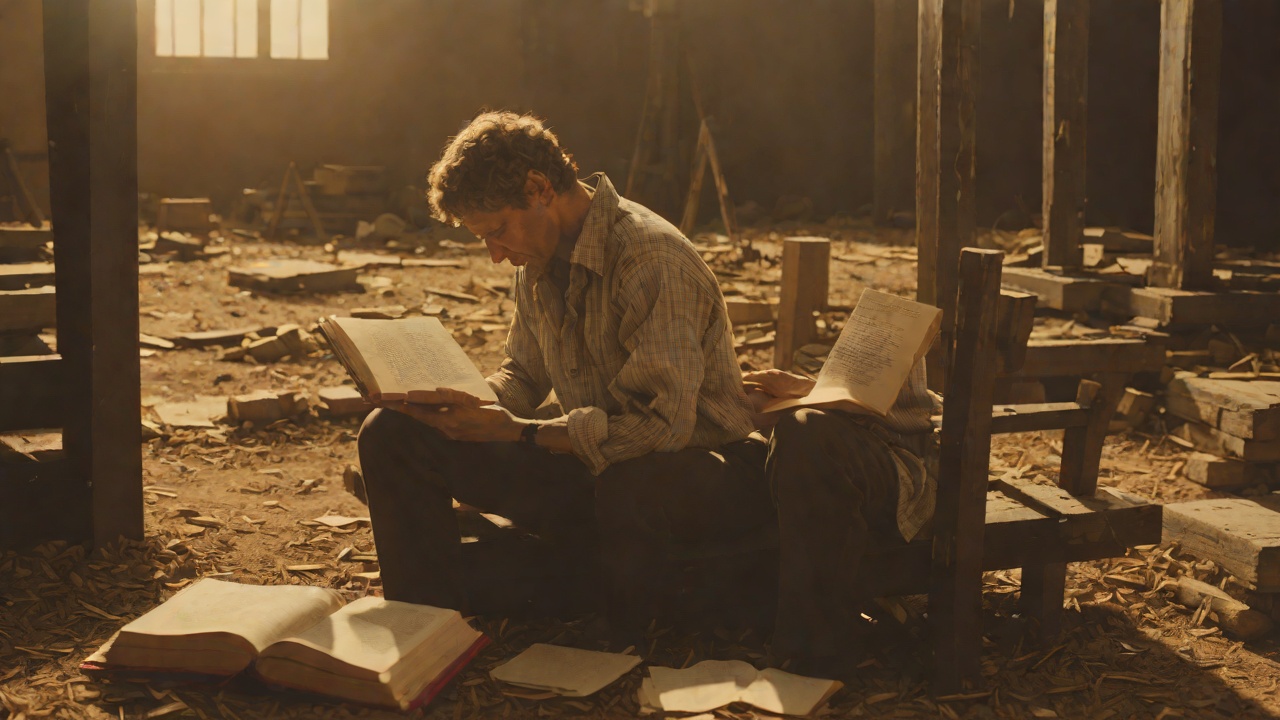
A Grandson's Final Gift
Context
At the gallows, Srebnitsky seems to lift his head and read his glory into the scene. Yehoshua stands in the crowd, carrying the old man's memory. Decades later he tells his daughter that what lingers is not the heroism but the ordinary care: the let-out seams, the new shoes, the silent meals.
Significance
The bond resolves into love that has no word. Srebnitsky's self-sacrifice was for a community, but his daily kindnesses were for one boy. Memory transforms the hanging itself into a gift.
Consequences
Yehoshua inherits the tailor's iconoclasm and his defiant hands, if not his craft. The invented grandson becomes the real one by accepting the inheritance.
when Yehoshua is first placed with Srebnitsky
during the winter months in the tailor's shop
when Schmitz commissions the uniform and the sewing machine is returned
the morning of Schmitz's uniform pickup
at the hanging and in years of later reflection
