
God After the Holocaust
City of GodThe novel repeatedly confronts the question of how God can remain credible after Auschwitz, Dachau, and the Kovno Ghetto.
increasing Bearing strength in each event
 decreasing
Bearing strength in each eventdecreasingGod's Silence in the Century
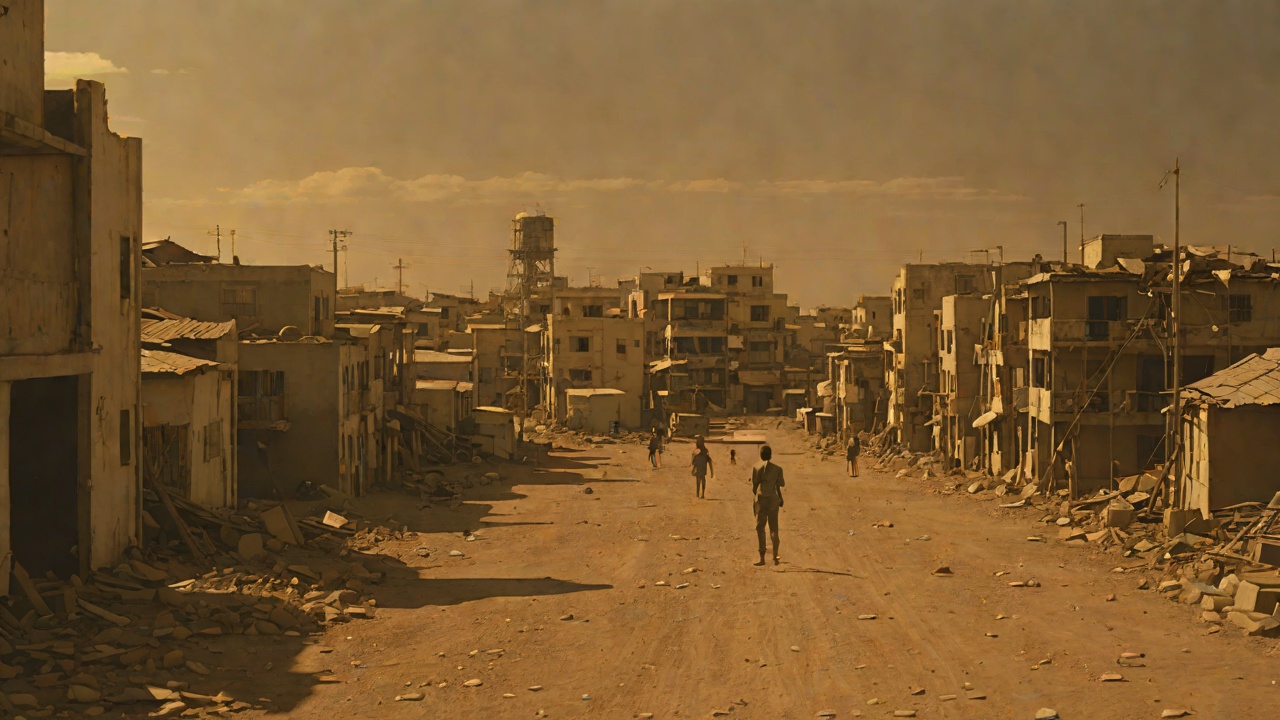
God's Silence in the Century
Context
The narrator begins with the Big Bang and the terrifying infinitude of the universe, then says he would like to find an astronomer to talk to. He compares the numbness of astronomers to the way people numbed themselves to survive the camps. Even one's turn to God cannot alleviate the misery of such hopeless infinitude.
Significance
The opening sets the novel's central theological problem: the universe is vast, indifferent, and horrifying. The historical God of covenant seems too small and too silent. The narrator wonders whether the average astronomer understands the monumental horror behind the celestial phenomena.
Consequences
Every subsequent story, from Pem's crisis to Yehoshua's testimony, is an attempt to answer this opening question.
The Camps and the Story of Christ
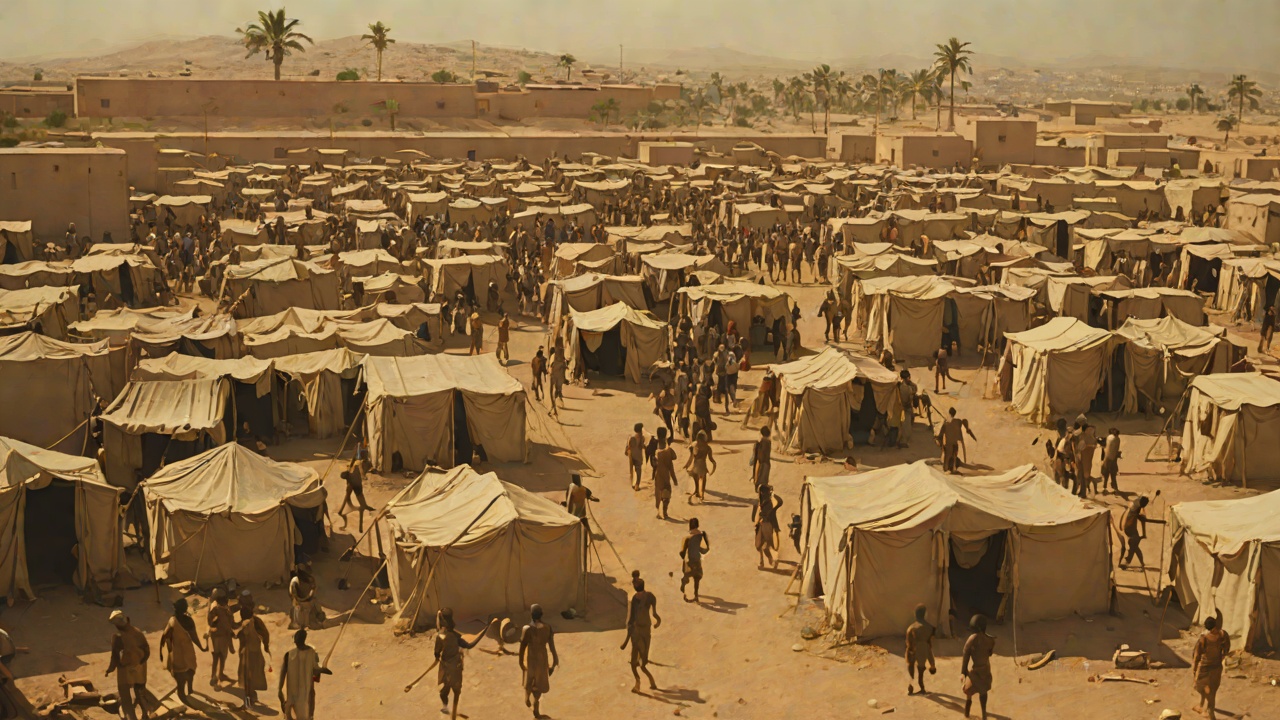
The Camps and the Story of Christ
Context
Pem asks what the engineered slaughter of the Jews in Europe had done to Christianity. He wants to know if the Holocaust is a problem only for Jewish theologians. He imagines a commensurate Christian response: mass exile, lifelong wandering, a clearing of lands around the death camps. He cannot find one.
Significance
The question indicts the whole post-Holocaust Christian theology of comfort. Pem refuses to accept the usual deferrals. He believes the Holocaust should have shattered Christianity's story of itself.
Consequences
The sermon costs him his standing in the church. The question follows him through deconsecration, resignation, and eventually into Judaism.
A Photograph of the Dead
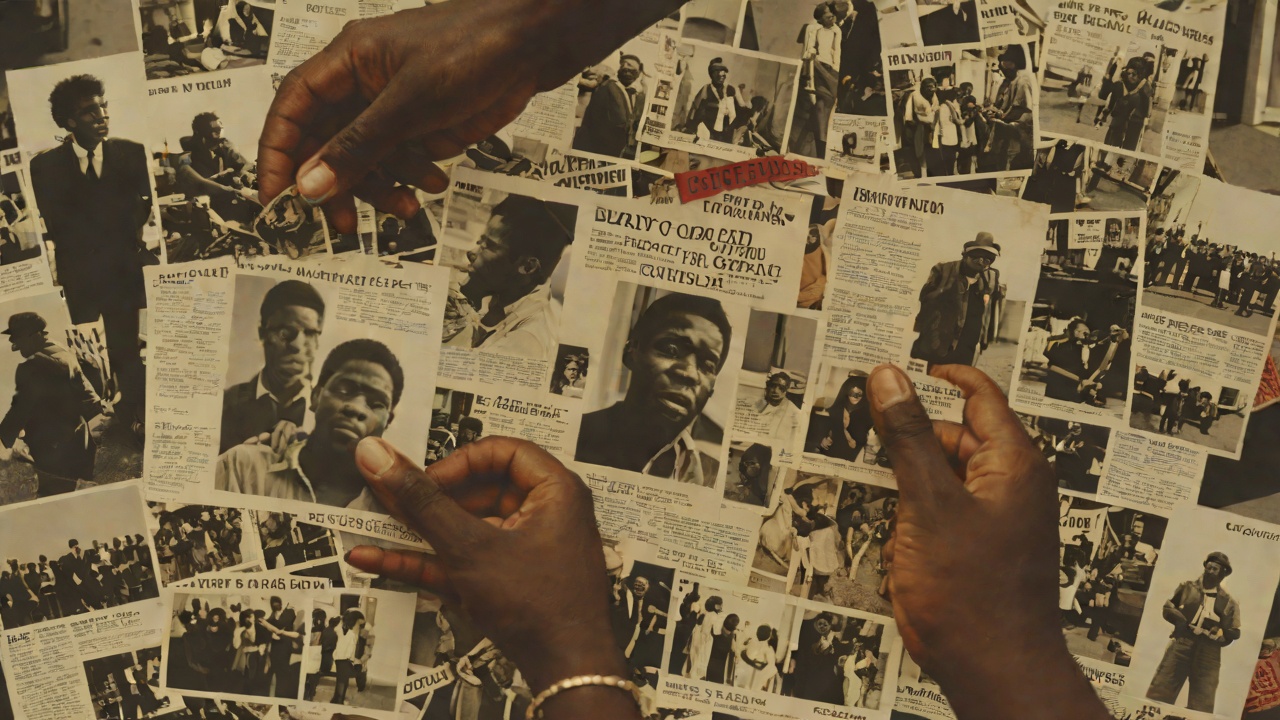
A Photograph of the Dead
Context
At JFK, Sarah holds photographs from the ghetto archive: a line of workers, a family with cloth stars, seven little boys in garrison caps. She finds her father in the front row. The dead are no longer statistics; they are names, faces, children.
Significance
The archive makes the Holocaust intimate again. The faces in the photograph looked into the camera with the full knowledge of death. The photo is not evidence for a trial; it is an ethical demand on the viewer.
Consequences
Sarah's grief renews the question of God, not as abstraction but as absence. The dead cannot be resurrected, and their memory is entrusted to the living.
Pem's Wedding Prayer
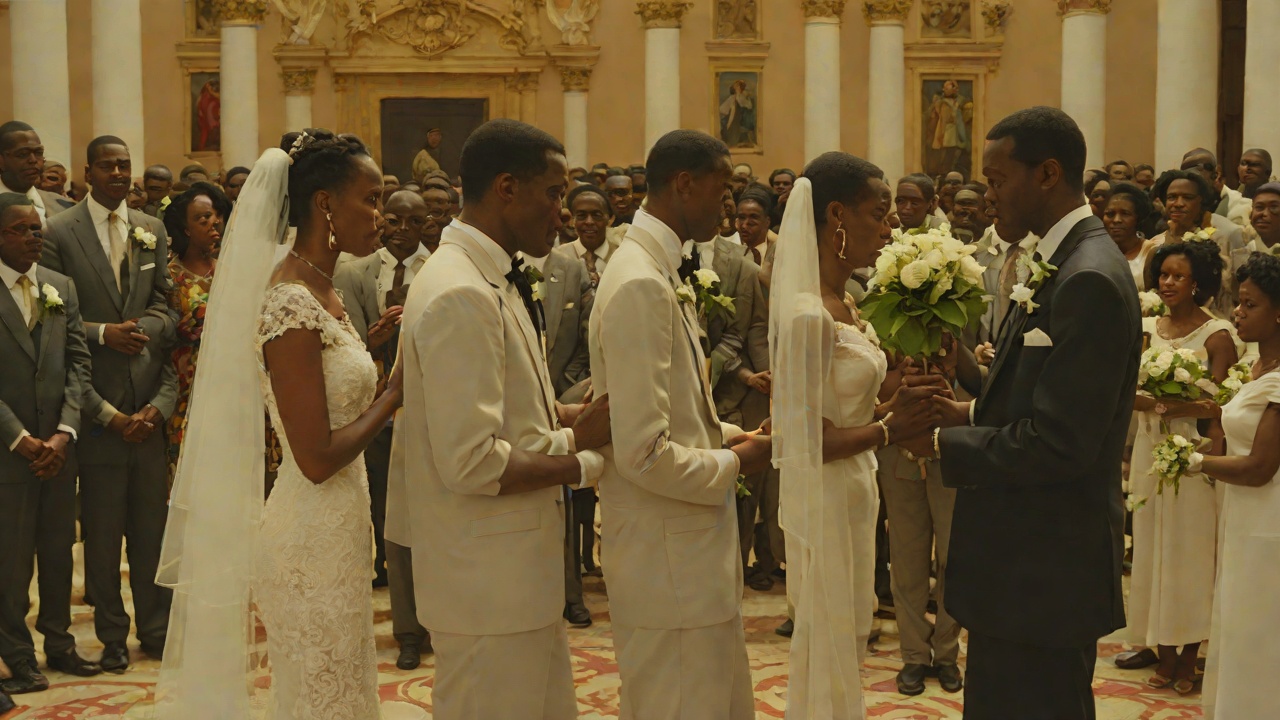
Pem's Wedding Prayer
Context
Pem grasps a microphone and delivers an address that is also a prayer. He speaks to a Lord who has allowed monstrous evil, who has been bought by murderers, who has not resisted any foul use of His name. He imagines a real hell where Hitler, Stalin, and all their torturers suffer eternal absorption into Satan's icy guts, and then he says that if this hell existed, he could remain a priest.
Significance
The prayer is both a denunciation and a love letter to God. Pem acknowledges his own genetic kinship with the headline killers. His fantasy of hell is a cry for order in a universe that seems to produce none.
Consequences
He ends by asking for reason to hope and by proposing that humanity must remake God in order to remake itself. The prayer becomes a manifesto for the rest of the novel.
The Remaking of God
The Remaking of God
Context
The final sections speak of the unremarked God, the sometime-thing God of history, and the need for a place to stand. Sarah's conference address proposes that God can be redefined, recast, and recognized as Something Evolving. The novel ends with the city as a jeweled wonder and a movie of its possible collapse into wrath.
Significance
The Holocaust has made the old God untenable, but the need for the sacred remains. Sarah and Pem both argue that the absence of a credible God does not release humans from moral consequence. The Creator may be imperceptible, knowable only through the ethical shape of human life.
Consequences
The novel concludes not with certainty but with awe. It asks whether humanity can maintain a universalist ethics without the authority of traditional religion, and it leaves the question open.
in the opening cosmological meditations before the plot begins
during Pem's sermon in Newark and his conversations with the bishop
when Sarah finds her father's picture among the ghetto runners
at the wedding reception, during his final act as a Christian
in the novel's final meditations, after the wedding
