
The City as Spiritual Entity
City of GodNew York emerges not merely as a setting but as a living consciousness, a divine experiment, and a city of birds, ants, and unremarked God.
increasing Bearing strength in each event
 decreasing
Bearing strength in each eventdecreasingThe Religioplex of Lower Manhattan
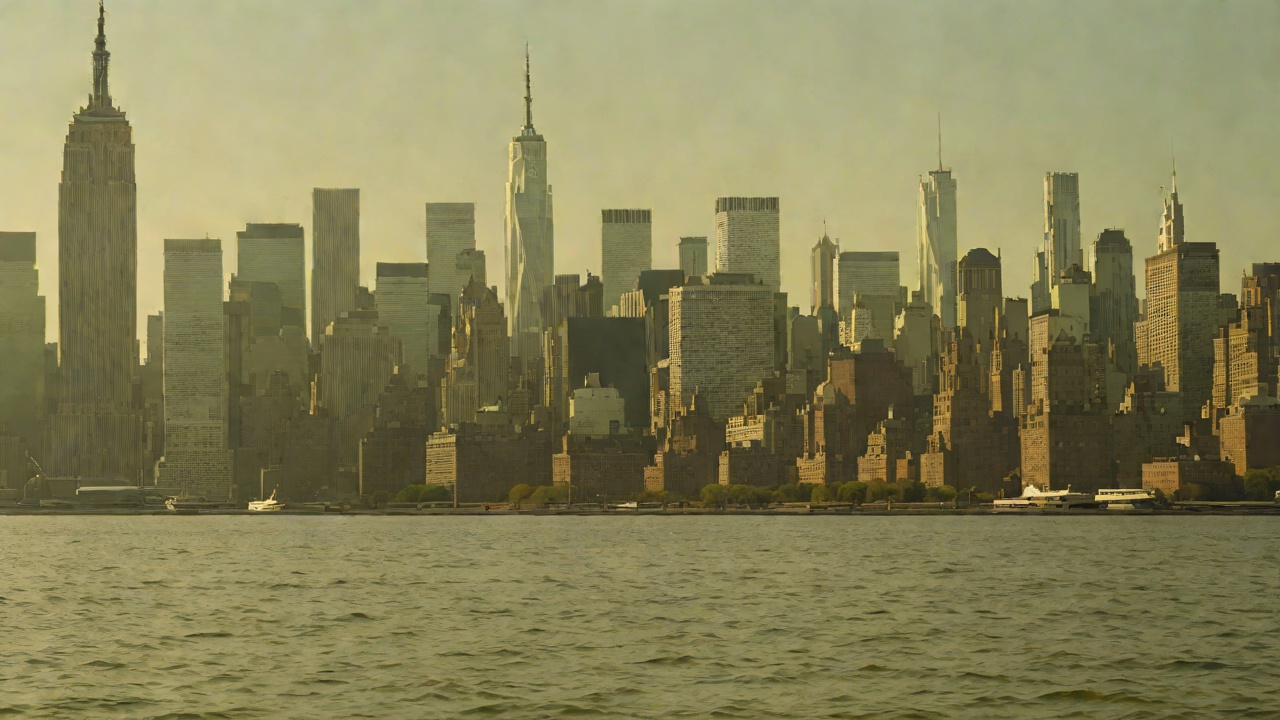
The Religioplex of Lower Manhattan
Context
Pem stands in Battery Park and sees the financial skyline as an island cathedral, a religioplex. The Ellis Island ferry sideswipes the bulkhead, and tourists thunder down the gangplank. A peddler in a purple choir robe sells waterproof watches beside the bay.
Significance
The city is a sacred structure built by commerce and immigration. The word religioplex fuses finance, tourism, and worship. The peddler's robe is a clerical vestment cut loose from any church, a sign of the city's capacity to recycle the sacred.
Consequences
The city becomes the novel's true protagonist. Every later street, bird, and archive will be a manifestation of this spiritual organism.
Streets of the Dead
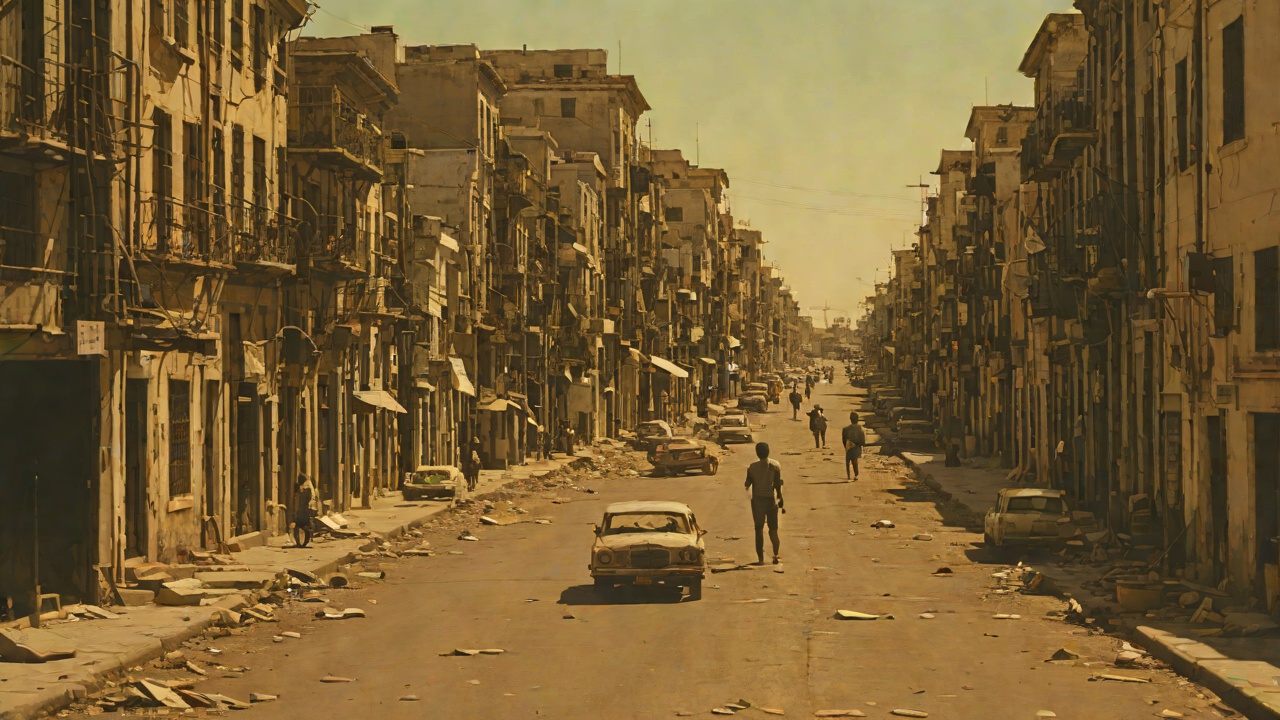
Streets of the Dead
Context
Pem reflects that the city grid was laid out in the 1840s and that we still live with the decisions of the dead. He walks streets where generations have trod, past aging tenements, immigrant bodegas, and a converted church now playing Chekhov. The infrastructure is a memory palace.
Significance
The city is a palimpsest of vanished lives. The dead are present in the paving stones and the building lines. Pem's walks are a form of mourning and a search for continuity.
Consequences
The reflection establishes the novel's urban archaeology. The city is a text to be read, and the lost are its footnotes.
The Urban Over-Brain
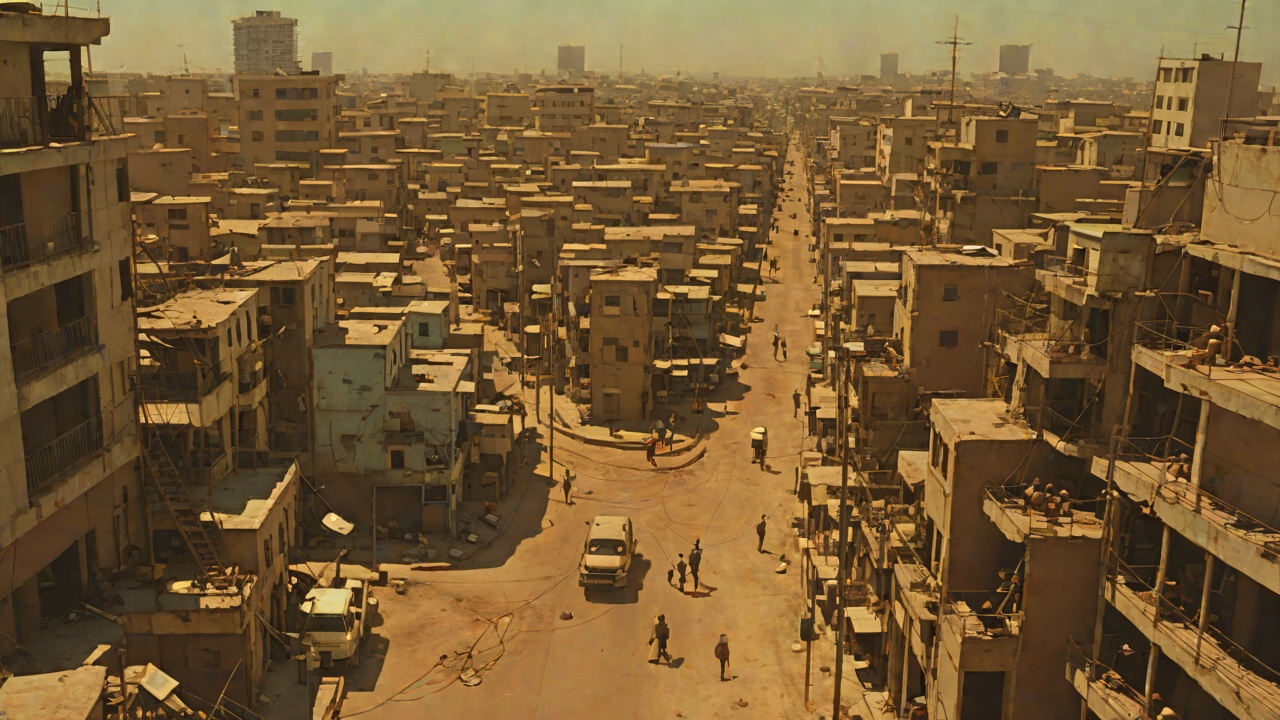
The Urban Over-Brain
Context
While watching ants build an underground city, Everett begins to speculate about an invisible organ of aggregate thought. If ants form a group brain, he reasons, so can humans. The park's masses, though individually free, move together in a prescribed circulation of activities, forming an urban over-brain.
Significance
The idea is both playful and profound. The city has a consciousness that exceeds any individual. The reader is invited to see New York as a neurological event, a web of cells firing across streets and parks.
Consequences
The urban over-brain becomes a metaphor for the novel itself, which assembles thousands of voices into a single living perception.
The City of Birds
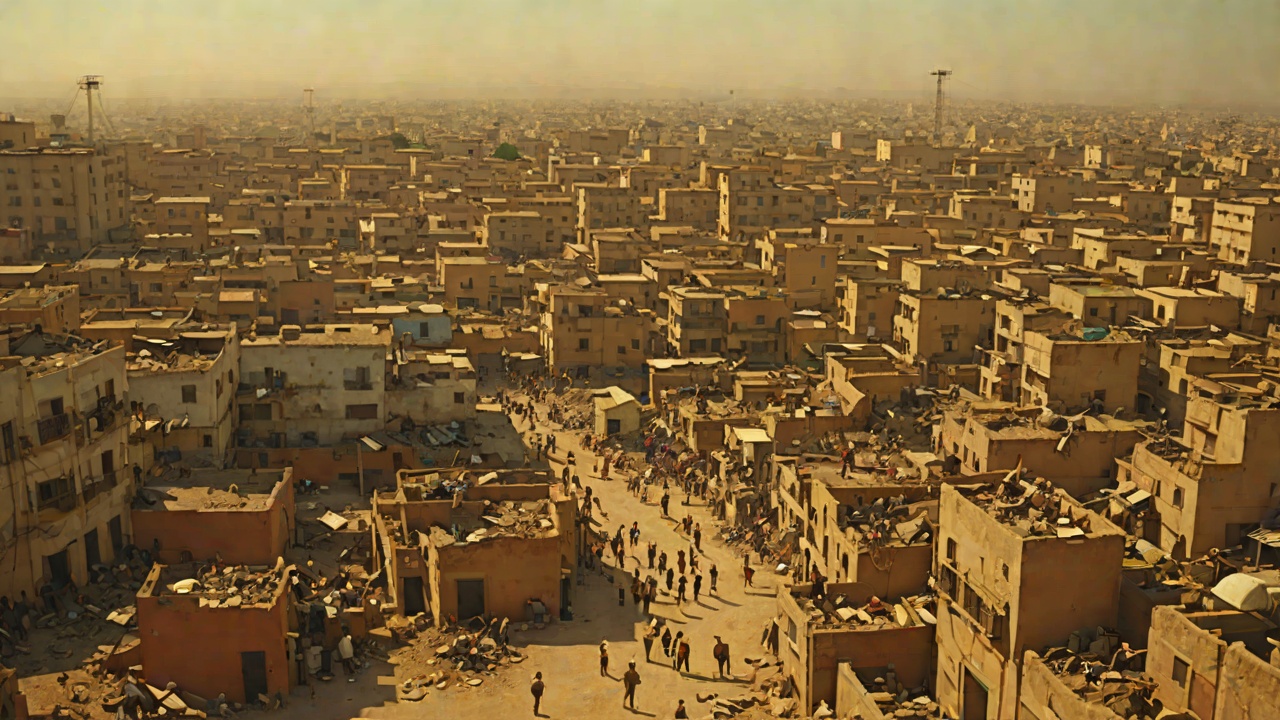
The City of Birds
Context
The narrator describes Valdemingomez, an enormous garbage dump north of Madrid that has become a great urban aviary. Storks, hawks, egrets, ravens, condors, and turkey buzzards live there, laying eggs in Big Mac containers and lining nests with cassette tape. The author calls it the City of Birds.
Significance
The dump is a grotesque inversion of the City of God. Life thrives on human waste, and the sacred emerges from the refuse. The birds do not migrate because they have found a permanent home in what civilization throws away.
Consequences
The image expands the novel's geography and reinforces its theme: the holy can appear anywhere, even in a garbage dump. It also anticipates the final city of the unremarked God.
The Unremarked God of the City
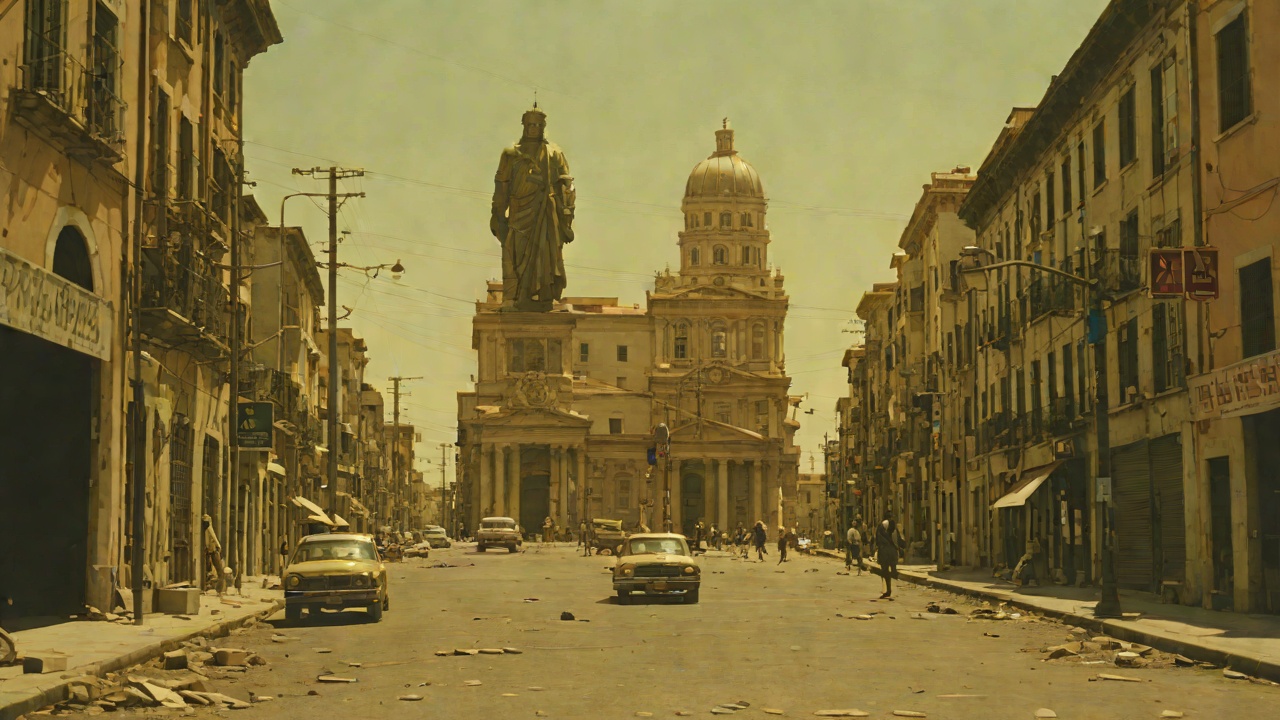
The Unremarked God of the City
Context
The narrator inventories the city's institutions: museums, parks, churches, subways, power stations, sewage plants, and slums. He calls it a great historically amassed communal creation, jeweled and breakable. He asks how much God had to do with it and names the unremarked God, the sometime-thing God of history.
Significance
The city is the earthly mirror of the heavenly city. It is built from the disparate intentions of generations, yet it appears, from above, as a single organism. The unremarked God is present not in the steeple but in the whole, in all that human beings have made together.
Consequences
The novel's final vision is of the earthly city as a fragile work of art, worthy of awe and threatened by the wrath of a God who remains hidden in it.
during Pem's walk in Battery Park before the theft investigation
during Pem's walks through the East Village and downtown
during the Sunday in Central Park with Sarah, Pem, and the boys
in the digression about the garbage dump north of Madrid
in the novel's final pages
