
Recovery of the Barbanel Archive
City of GodJoshua Gruen's fatal quest and Pem's mission to find the hidden Kovno ghetto diary in Vilnius, Moscow, and finally at JFK.
increasing Bearing strength in each event
 decreasing
Bearing strength in each eventdecreasingJoshua's Fatal Quest in Vilnius
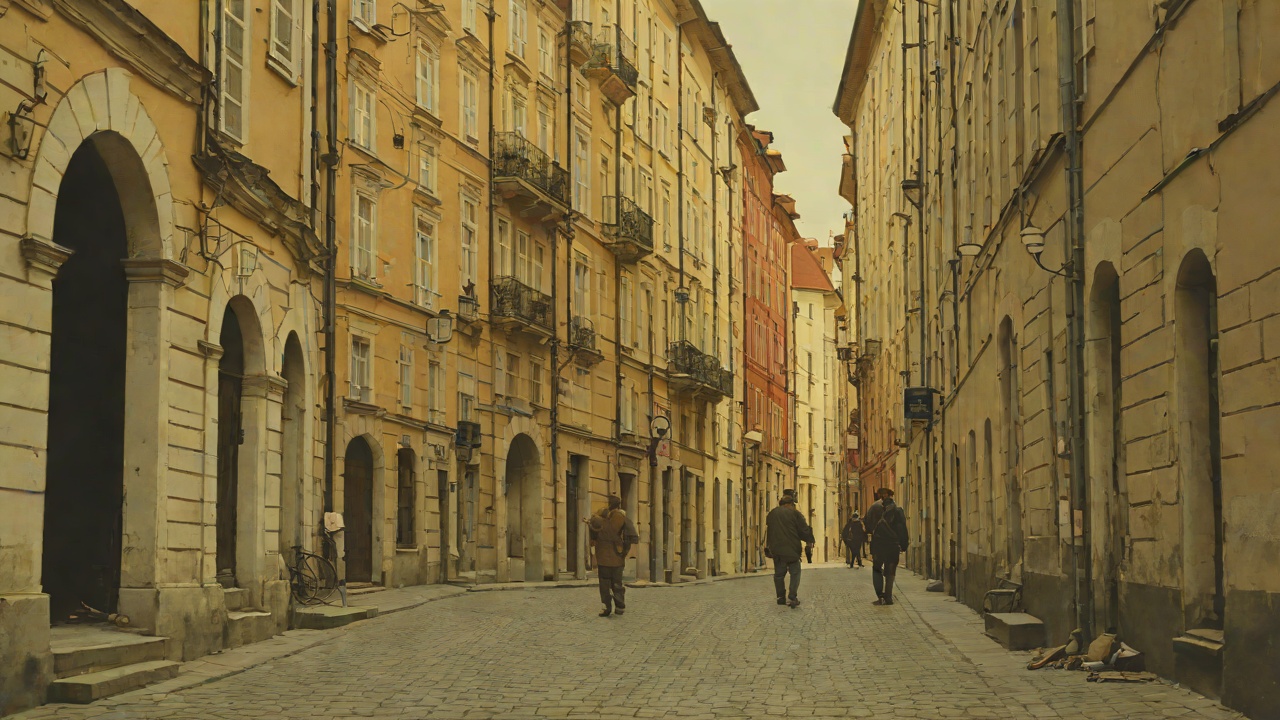
Joshua's Fatal Quest in Vilnius
Context
Sarah Blumenthal's father speaks in old age about the hidden archive of Josef Barbanel, and Joshua Gruen takes it upon himself to travel to Vilnius and recover it. He moves through the rebuilt city, interviewing the old, visiting the sites of destroyed synagogues, and keeping a careful notebook of contacts. The quest becomes an obsession.
Significance
For Joshua the archive is more than evidence; it is the voice of the dead. He believes that finding it will restore to Sarah's father a witness that the world has ignored. His background as a rabbi of Evolutionary Judaism makes him peculiarly suited to a mission that is historical, theological, and personal all at once.
Consequences
The quest places him in danger in a city where old hatreds still smolder. He is beaten outside the doors of the ruined synagogue and dies before he can complete the work.
The Notebook of Unfinished Contacts
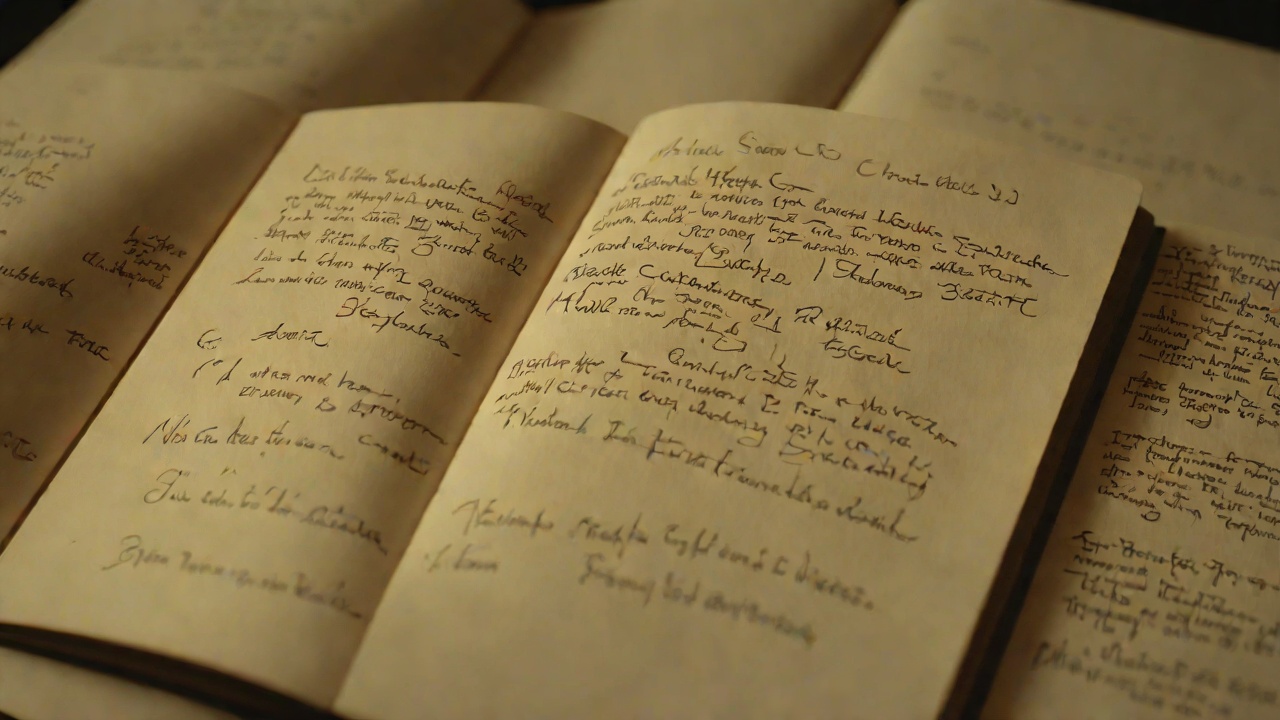
The Notebook of Unfinished Contacts
Context
Pem travels to Vilnius with Sarah, who has come to bring Joshua's body home. In Joshua's hotel room Pem finds a notebook recording everyone the rabbi had spoken to about the diary, along with the address of the church where the archive had been hidden. The church is gone, replaced by a modern apartment house, but the notebook remains.
Significance
The notebook becomes a map of a failure and an inheritance. It preserves the names of people Joshua never reached and the last traces of a trail that would otherwise vanish. Pem takes up the quest as an act of friendship and reparation.
Consequences
The notebook gives Pem his first concrete leads: a caretaker, a tile setter, and the memory of Father Petrauskas. Joshua's death does not end the search; it transfers it.
Vilnius Dead Ends and the Caretaker's Memory

Vilnius Dead Ends and the Caretaker's Memory
Context
Pem works through every name in Joshua's notebook and meets only silence. A diocese office yields nothing, and the old church exists only in documents. Then an elderly caretaker at the ruined synagogue tells him about Father Petrauskas, the priest who hid Jews and their writings, and about her son Josip, who was the priest's altar boy.
Significance
The caretaker's memory opens a door closed by history. She remembers the priest as a Jew lover who thought the treatment of the Jews was wrong. Her testimony gives the archive a moral home inside a local tradition of Christian dissent.
Consequences
Josip tells Pem that Russian soldiers confiscated a sealed chest from the priest's rectory and an officer wrote a description on its lid before shipping it east. Pem realizes the archive may be sitting in a Russian repository.
Purchasing the Chest from KGB Vaults
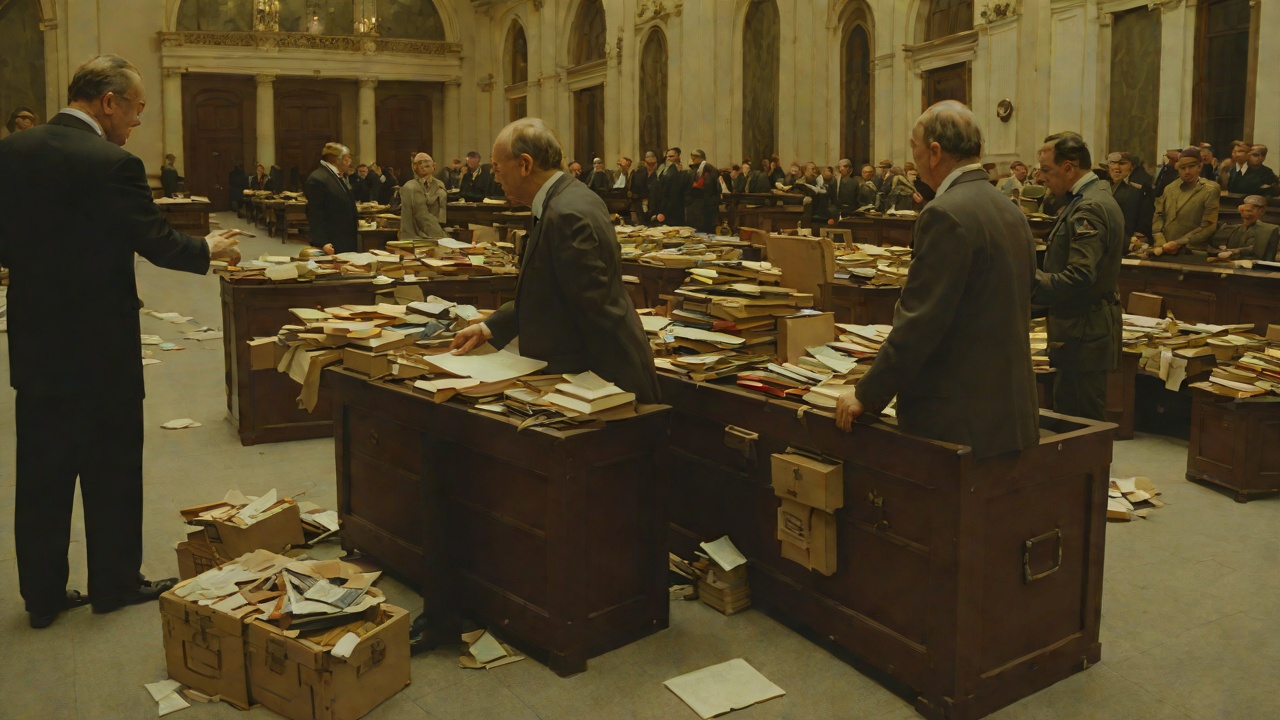
Purchasing the Chest from KGB Vaults
Context
Pem flies to Moscow and penetrates the archives of the KGB, speaking as a priest to the fathers, a diplomat to the attachés, and a con man to the hustlers. The vaults are like a flea market, and almost anything can be bought for the right price. He locates the sealed chest and brings it back to the United States.
Significance
The purchase is neither a legal triumph nor a pure act of scholarship; it is a piece of salvage from the wreckage of the Soviet system. Pem's methods are dubious, and he knows it. Yet the chest contains the documentary soul of a murdered community, and recovering it justifies a certain moral improvisation.
Consequences
The chest arrives at JFK Airport, where customs insists on opening it in the presence of a Justice Department attorney. Pem and Sarah ride out together for the ceremony of unsealing.
Unsealing at JFK
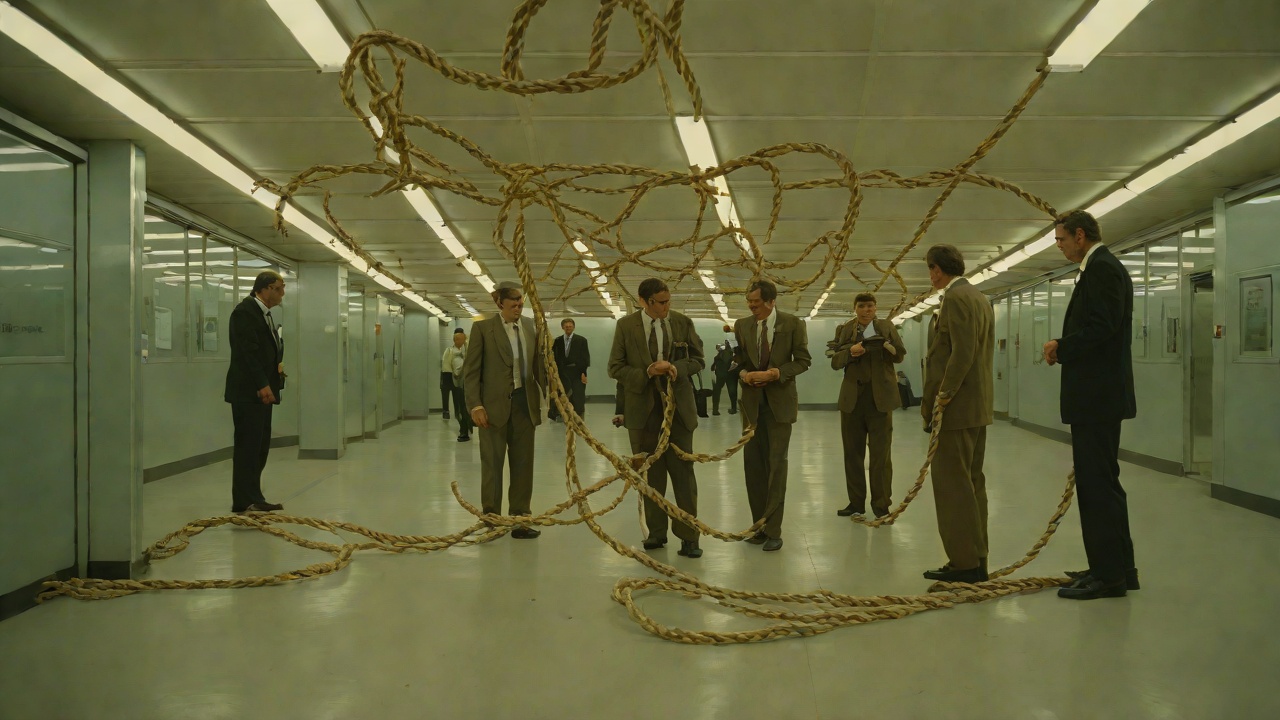
Unsealing at JFK
Context
In a bare fluorescent room in the International Arrivals Building, inspectors pry off the hasps and cut the thick rope. Inside are oilskin packages, student bluebooks, typed lists of names, orders signed by Commandant Schmitz, and a dossier on the ghetto commandant himself. Sarah finds a photograph of her father, one of seven little runners in garrison caps.
Significance
The archive transforms private memory into public evidence. For Sarah, the papers are not historical; they are the living curve of her father's childhood and of the dead around him. For Pem, the unsealed chest feels like a sacred object, an installation of white-on-white that evokes the Crucifixions he once prayed before.
Consequences
The Justice Department copies the materials, and the deportation case against the man calling himself Helmut Preissen is reopened. The archive, however, remains a memorial, and Pem and Sarah are left alone with its terrible gifts.
before Joshua's death, when he goes to Vilnius to find the ghetto diary
after Joshua's death, when Pem packs his hotel room in Vilnius
during Pem's weeks in Vilnius, before he travels to Moscow
during Pem's Moscow visit, after he follows the Soviet officer's paperwork
a rainy late weekday morning at JFK Airport, two weeks after the chest's arrival
