
Yehoshua's Kovno Testimony
City of GodThe embedded narrative of a child in the Kovno Ghetto who becomes a council runner and survives to become Sarah Blumenthal's father.
increasing Bearing strength in each event
 decreasing
Bearing strength in each eventdecreasingA Ten-Year-Old's Runner Cap

A Ten-Year-Old's Runner Cap
Context
Yehoshua, a boy in the Kovno Ghetto, loses his parents and is placed first with the tailor Srebnitsky, then, after the tailor's death, with the council itself. Josef Barbanel gives him a garrison cap with a yellow band and makes him a runner. He joins a dormitory of boys who carry messages, warn of raids, and keep the ghetto's secrets.
Significance
The cap is an identity that both conceals and exposes him. It gives him responsibilities beyond his age and a strange military pride. He is no longer merely a hidden child but a functionary in the machinery of survival.
Consequences
The runner system becomes the nervous system of the ghetto. Yehoshua learns the special knock, the hiding places, and the terrible arithmetic of who can be saved and who must be abandoned.
The Vegetable Garden and the Vanished Parents
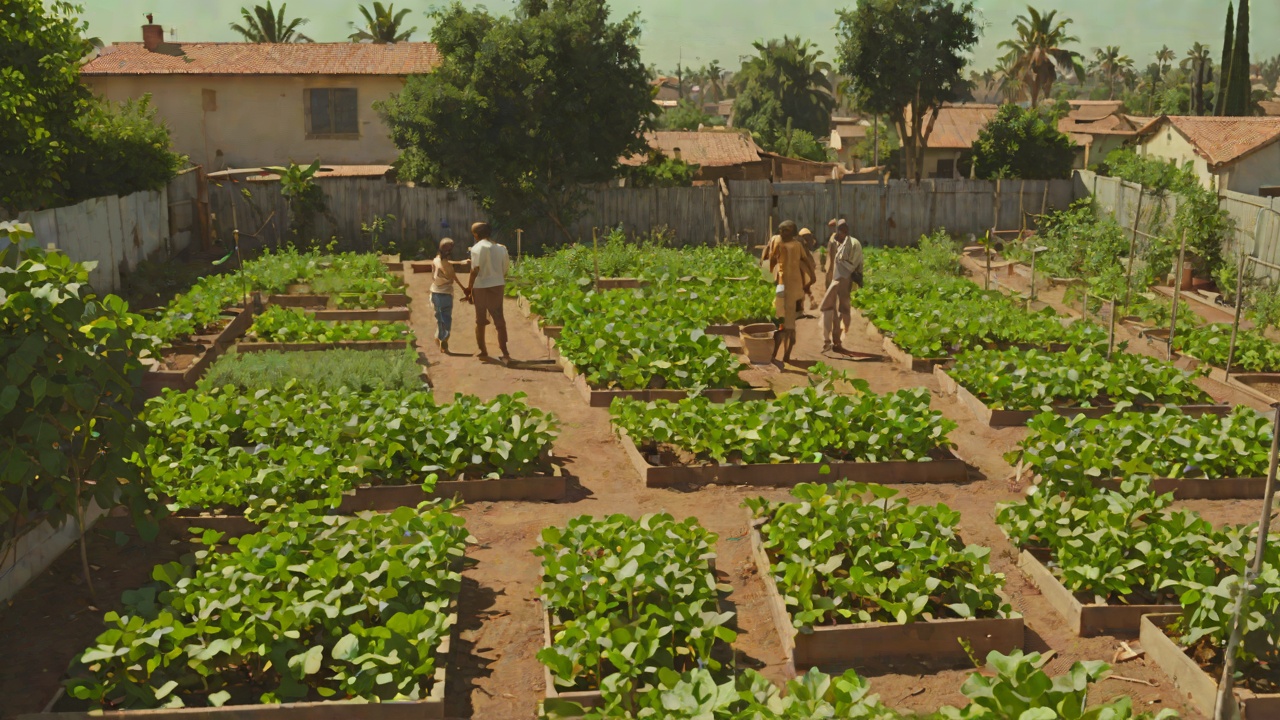
The Vegetable Garden and the Vanished Parents
Context
Yehoshua's father designed a community vegetable garden before the German invasion, and after his death the boy returns to look at the furrows as if reading his father's thoughts. In winter the snow covers the garden, and Yehoshua cries for the first time since losing his parents. He realizes that their faces and voices are beginning to fade from his memory.
Significance
The garden is the only material remnant of a father who was an agrarian economist and a secret consultant to the council. It roots Yehoshua's loss in the actual soil of the ghetto. The fading of memory becomes a kind of second death, worse than the first because it is internal.
Consequences
Yehoshua learns to live with a double belief: his parents are dead, and they are also with the partisans who will come for him. This unresolved grief shapes his later stoicism.
Smuggling Barbanel's Pages to a Priest

Smuggling Barbanel's Pages to a Priest
Context
Josef Barbanel begins to move his secret archive out of the ghetto, and Yehoshua is chosen to carry the oilcloth packets through an abandoned viaduct into the city. He crosses the river at a bend, takes a streetcar, and delivers the material to Father Petrauskas at the Church of St. Theresa. Each trip passes through the streets of his birth city, now occupied by Germans.
Significance
The smuggling is an act of historical preservation in a world designed to leave no trace. For Yehoshua it is also an education in the scale of the catastrophe; he sees the living city from which the ghetto has been cut off. The priest accepts the packets as if they were a sacred trust.
Consequences
Yehoshua becomes the archive's courier, and the diary's survival becomes inseparable from his own. He returns to the ghetto each time, choosing the cage over the dangerous freedom of the city.
Partisans in the Paint-Supply Cabin
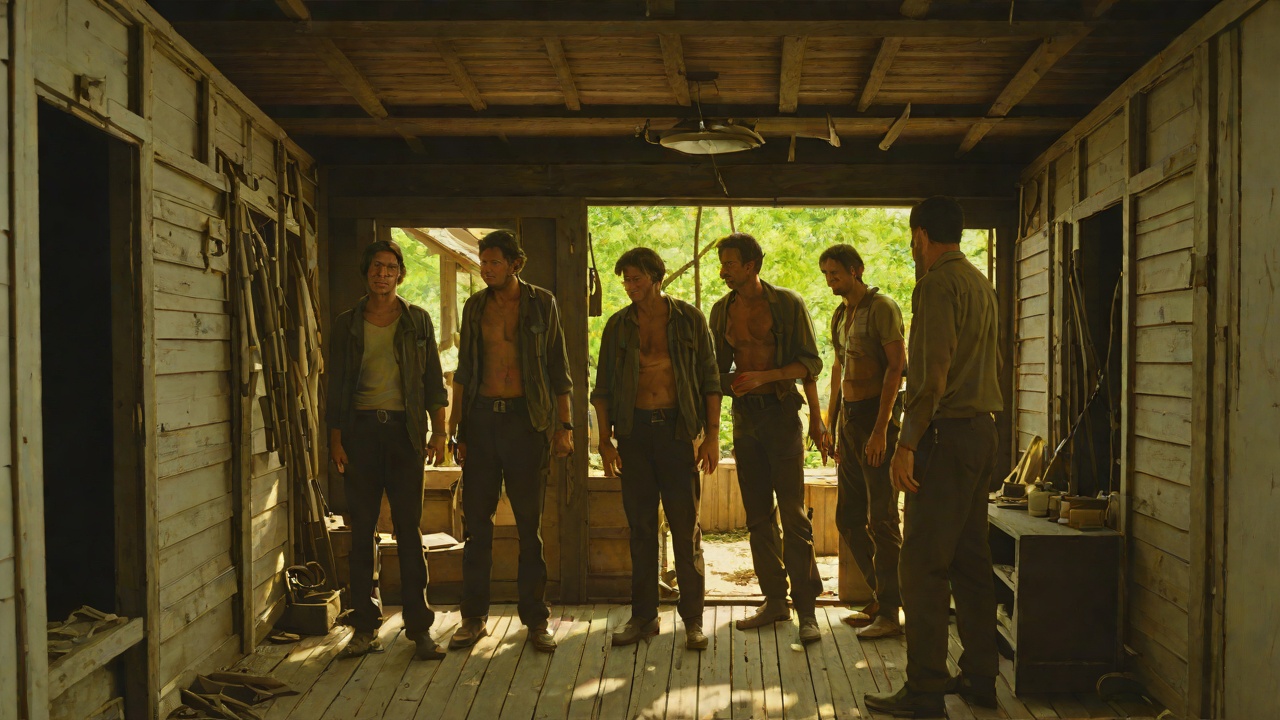
Partisans in the Paint-Supply Cabin
Context
Three Jewish partisans rise through a trapdoor in a storage cabin and offer to lead people out of the ghetto. One of them, Benno, tells the council that the Germans will slaughter everyone before retreating. He speaks with a young man's contempt for the older leadership, and the woman with him insists that people must choose for themselves.
Significance
The meeting dramatizes the deepest conflict of the ghetto: accommodation versus armed resistance. The partisans represent a different spiritual order, one that owes nothing to prayer or patience. Yehoshua understands that his own parents were never among such fighters, yet the partisans still seem like a possible future.
Consequences
The council agrees to spread the news of escape, but only in a painstaking manner. Of the six boys, two choose the forest; Yehoshua stays, bound to the lingering presence of his dead mother and father.
The Boxcar and the Lost Cap
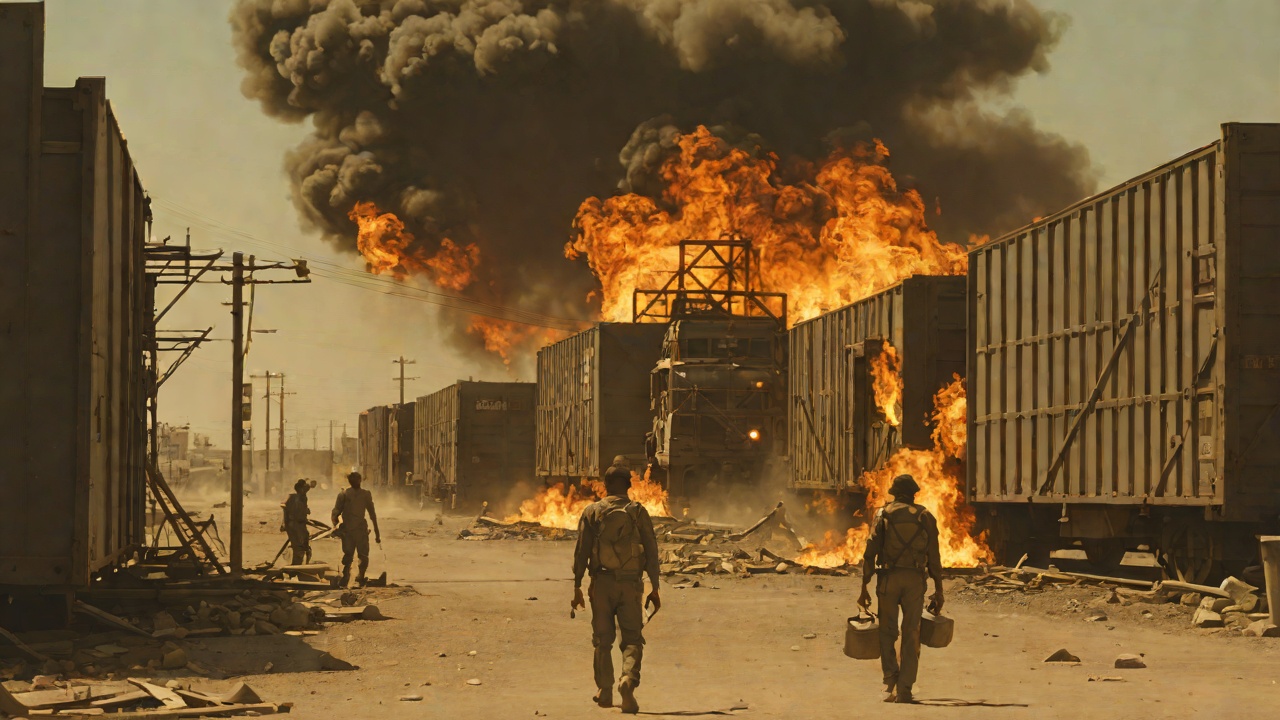
The Boxcar and the Lost Cap
Context
Truckloads of troops arrive, buildings are set afire, and the ghetto is emptied. Yehoshua loses his runner's cap in the chaos and only notices when the boxcar doors slam shut. He stands pressed against the slats, gnawing at the wood, listening to the wheels, and broadcasting the passing landscape to strangers in the dark.
Significance
The cap is the badge of his special identity, and losing it marks the end of childhood agency. In the boxcar he becomes one of the living dead, anonymous, numbered only by the railway's schedule. His report of farms and rivers and stationmasters is a last grasp at the world outside the catastrophe.
Consequences
He survives to become Sarah Blumenthal's father, but the boxcar never leaves him. The memory of the dead girl who held him from behind, and of the lost cap, remains embedded in his adult mind as the shadow of his unlived past.
early in the Kovno Ghetto period, after the deaths of Srebnitsky's family and the boy's parents
during the ghetto years when Yehoshua's parents have disappeared
from late summer into autumn, as the ghetto's third year turns toward winter
late in the ghetto's existence, as the Russian front approaches
during the liquidation of the Kovno Ghetto, when the survivors are marched to the railway station
