
The Doctorow Family War Stories
City of GodEverett reconstructs his father's World War I survival and his brother Ronald's World War II ordeal as parts of the century's inheritance.
increasing Bearing strength in each event
 decreasing
Bearing strength in each eventdecreasingBen's Yiddish Trench Ruse
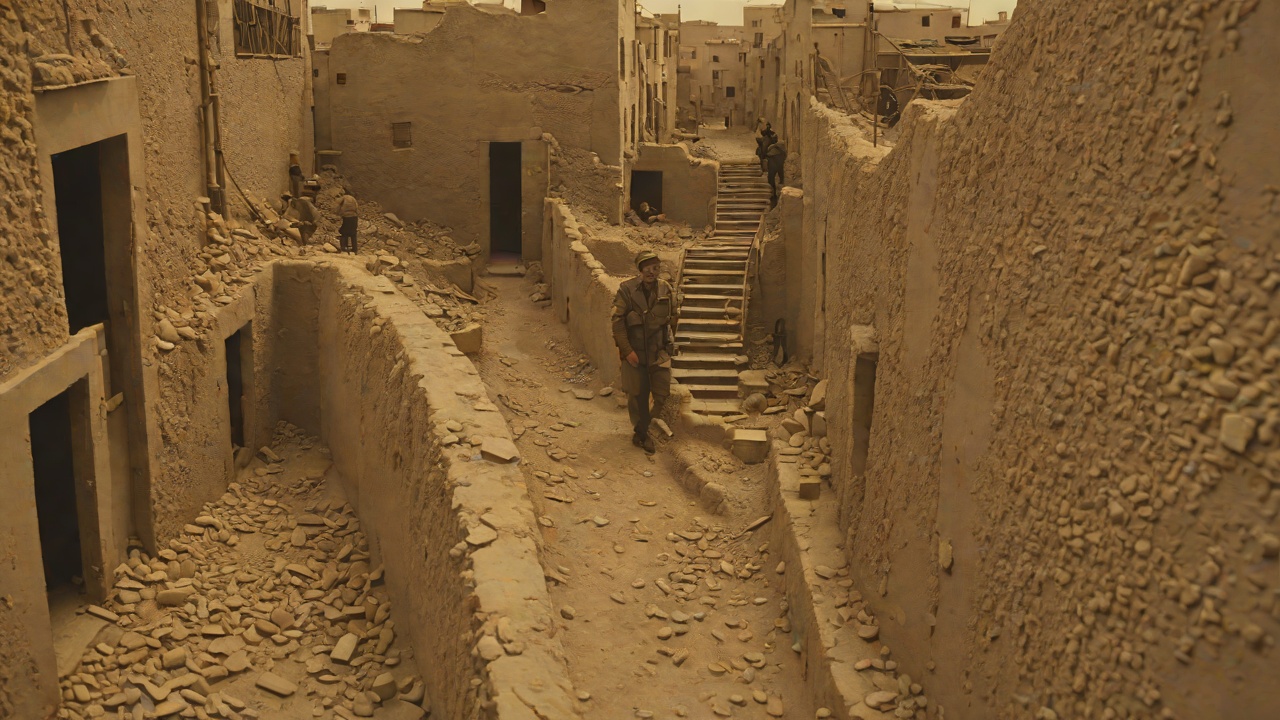
Ben's Yiddish Trench Ruse
Context
Ben Doctorow, a young naval officer assigned to the trenches as an observer, becomes the last surviving runner of his signal company. With German soldiers pouring through the zigzagged trenches, he shouts a shouted order in Yiddish, re-Prussianed as German, telling them to stop malingering and move out. Astonishingly, they obey.
Significance
The ruse is a purely American expedient, using the language of European Jews to impersonate the enemy. It saves his life and seals his family's connection to the old world even as they flee it. The son retells the story as proof that history can be outwitted by improvisation.
Consequences
The story enters the family mythology as a benchmark of courage and wit. Everett will return to it when thinking about the power of language and the absurdity of war.
Football as War's Aesthetic
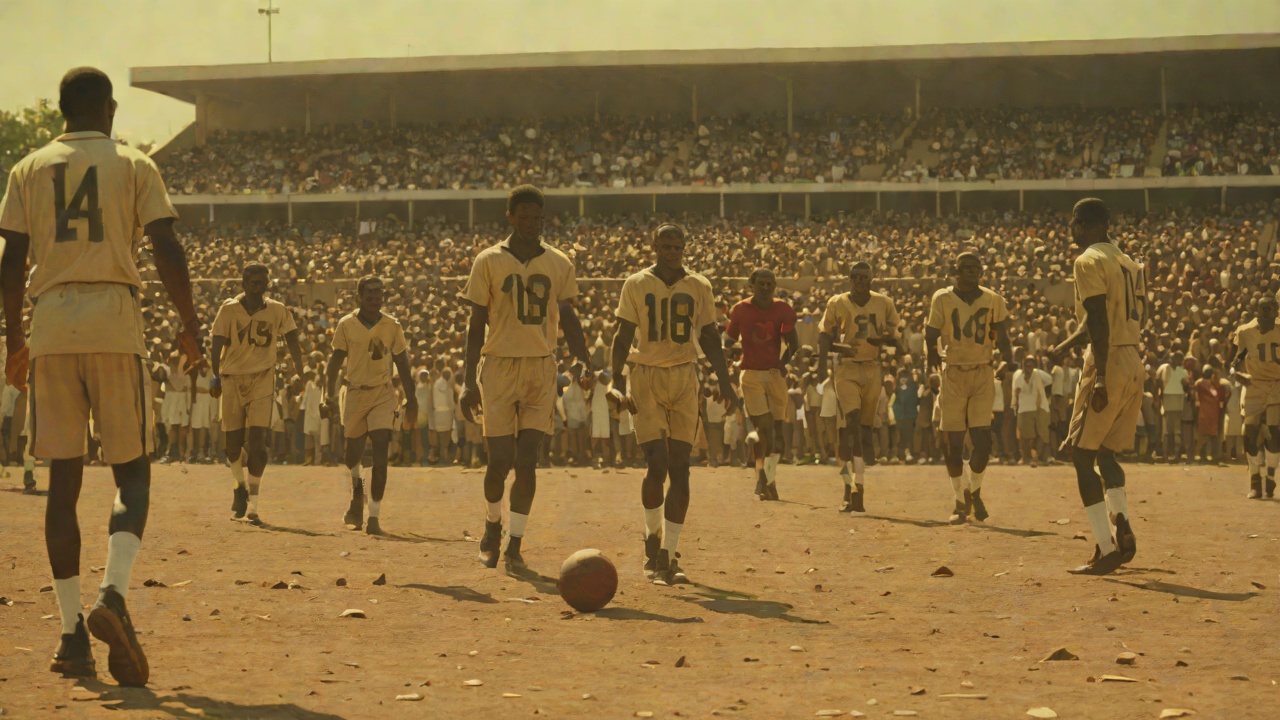
Football as War's Aesthetic
Context
After his war service, Ben Doctorow rarely speaks of the trenches. Instead he takes his sons to the Polo Grounds on Sundays, smoking a cigar and watching the New York football Giants. He loves the runners, especially Crazy Legs Hirsch, whose quick cuts and high-stepping evasions recall his own runs under fire.
Significance
The football field becomes a sanitized version of war, with lines and rules and no lasting consequences. Ben's wartime experience is sublimated into the aesthetic pleasure of the game. The motion of the runner is memory transformed into art.
Consequences
Everett reads his father's silence as a form of mourning. The bond between father and sons passes through the green grass field rather than through the horror of No-Man's-Land.
Ronald's Weekend at the Manor
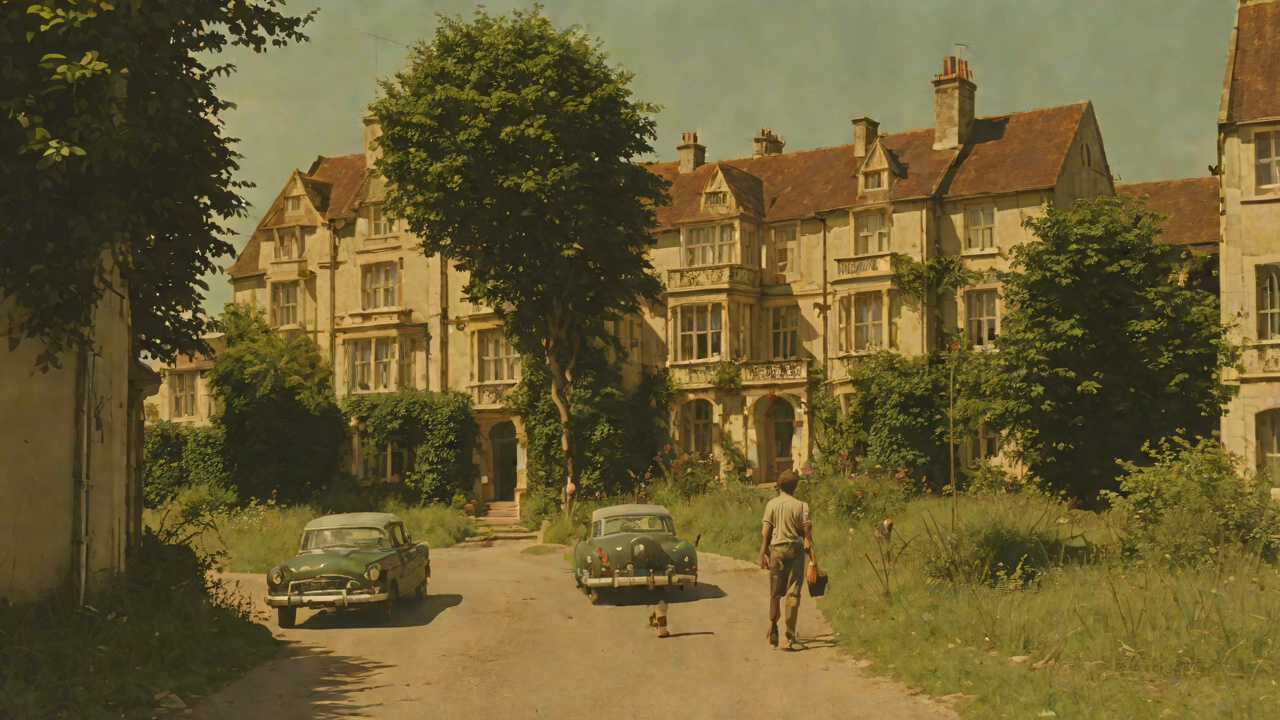
Ronald's Weekend at the Manor
Context
Everett's brother Ronald, a radioman on a B-17, receives a weekend pass to a Cotswold manor owned by a general. He meets the general's widowed daughter, Miss Manderleigh, whose husband was killed in North Africa. A violent rainstorm drives them into a barn, where they listen to Hitler's radio speech and then make love.
Significance
The idyll is shadowed by the war. Miss Manderleigh is one of that English race who do what must be done; her lovemaking is a form of mourning and survival. Ronald will remember only the genderless sad soul in her eyes, not the details of their intimacy.
Consequences
The weekend remains a luminous but unreachable memory. It contrasts the civilized surface of England with the industrial horror of the bombing campaign.
Bailout into a Boneyard
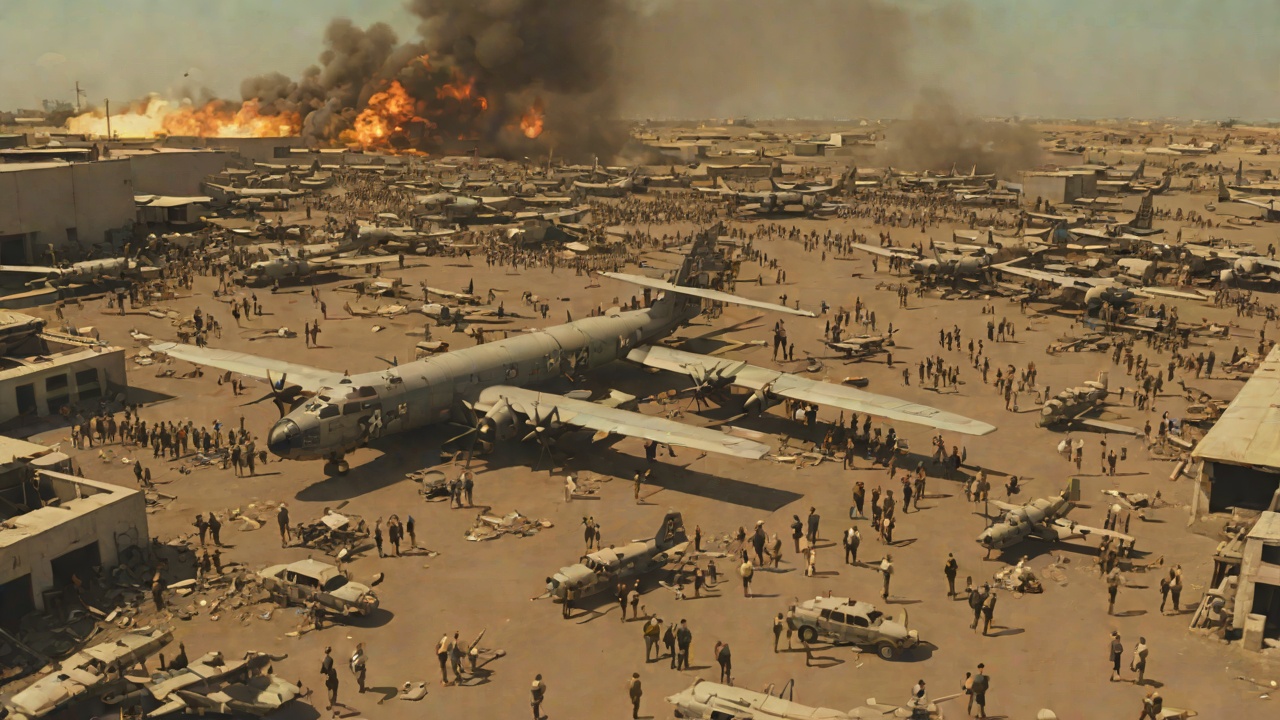
Bailout into a Boneyard
Context
On a disastrous mission over Germany, Ronald's B-17 is shattered by fighters and flak. He takes the dead co-pilot's place, helps the pilot hold the course, and then is ordered to bail out as the wing begins to pull away. He leaps into a raging thunderstorm and lands in a field of bones from World War I.
Significance
The two wars converge in a single field. Ronald lies all night among the skeletons of his father's generation, hearing bones clack like wind chimes. The crash site is a graveyard reopened by a later war, an archaeological proof of Europe's endless self-cannibalization.
Consequences
He survives, is nursed by French peasants, builds radios for the Resistance, and returns to the air. The experience confirms his sense of a coherent family as the only blessing worth preserving.
The Family's Return to Europe

The Family's Return to Europe
Context
Everett frames his father's and brother's wars within the larger history of immigration, socialism, and American identity. He imagines his father as a young man who loved football, his mother as a pianist, and his brother as a modest family hero. He insists that the experience of experience is untransmittable, yet he keeps telling the stories.
Significance
The family saga is the personal ground of the novel's historical meditation. Everett cannot claim frontline heroism, only the inheritance of those who came before. The banality of the retelling is itself a form of mourning.
Consequences
The stories become part of the book's argument that memory is the only defense against the murderous loudspeaker of ideology. They are printed circuits through which the lives of the dead may flow again.
during World War I, on the western front
in Everett's childhood, when Ben takes his sons to New York Giants games
during World War II, between B-17 missions in England
during the Schweinfurt-Regensburg mission, after enemy fighters destroy his bomber
across the century, as Everett reckons with inherited history
