Vilnius
City of GodVilnius, the Lithuanian capital once known as Vilna, is the geographical and moral heart of the novel's climactic quest. It is the city where Joshua Gruen, the rabbi who had been tracking the hidden Kovno Ghetto archive, is fatally beaten; where Sarah Blumenthal and Pem arrive too late to save him; and where Pem, following the dead man's notebook, completes the recovery of the archive that transforms him. A town of architectural erasure and buried bones, Vilnius is where the novel's Holocaust past, its detective plot, and its protagonist's spiritual renewal all converge.
A City of Erasure and Buried History
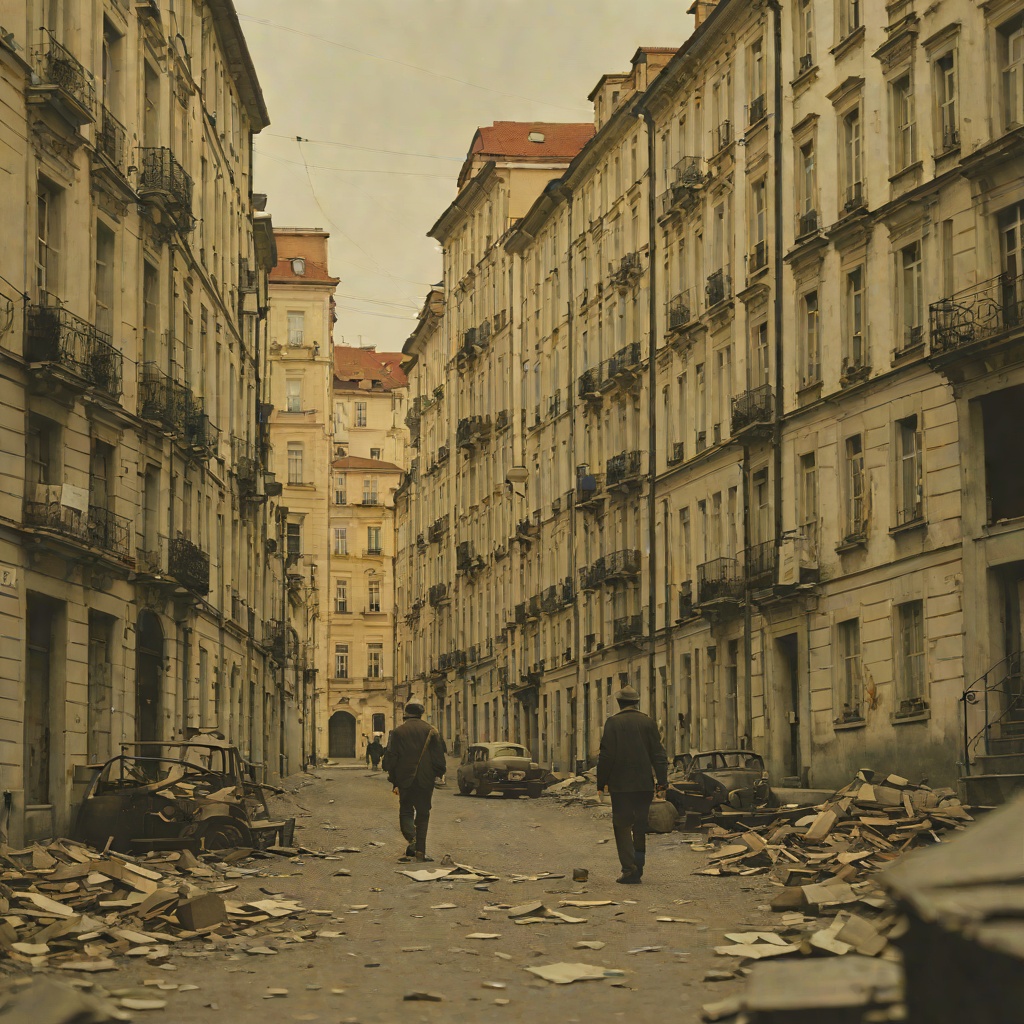
Vilnius, once Vilna, is described as a heavily rebuilt city, shaped by World War II and the Soviet taste for high-rises. A picturesque river with grassy banks, the Neris, winds through it — the same river that the novel's young runner Yehoshua speaks of in his ghetto testimony. The city's history has been architecturally erased, yet it remains present in the buried bones beneath the modern streets and in the brains of the children, whose ethnic resolve is compared to the football they kick through the schoolyard. This tension between the erased surface and the buried past defines the city's atmosphere. When Pem rides the streetcar that stops outside his hotel door, the bell rings, the car swings around corners, and the pantograph flashes like lightning; he feels the menace lurking under the town's modernity, imagining the old historic demons with their sharpened pitchforks riding around in the latest-model cars and taking their business lunches in the fine restaurants. The city's modern facade, in other words, barely conceals the violent history that produced it.
The Death of Joshua Gruen
When Sarah and Pem arrived in Vilnius, Joshua Gruen was still alive, but barely. He had suffered a fractured skull, broken arms and ribs, a collapsed lung, and had developed pneumonia. The American chargé d'affaires met them at the airport and rushed them to the hospital. Sarah immediately questioned the adequacy of the medical care but had to agree finally that Joshua's condition made it too dangerous to fly him out. He was in a coma. Permission was asked to trepan him to relieve pressure on the brain. Pem sat with Sarah in the corridor outside the operating room; he said she did not cry or speak but simply stared at the floor. They had flown from Kennedy to Frankfurt, waited two hours for the connecting flight, and had come straight from the Vilnius airport to the hospital. Pem supposed exhaustion served her as a kind of sedative. He closed his eyes and prayed silently for Joshua to pull through, but thought that Sarah had probably not prayed. They were put up that night in the ambassador's residence, where the ambassador and his wife took care of all the arrangements for shipping the body home. Sarah's grief was such that a doctor was called in to minister to her, and she was sedated for twenty-four hours.
The Notebook and the Hunt
In that time, Pem went to the hotel where Joshua had been staying and packed his few things. The rabbi had been reading Gershom Scholem's Kabbalah, Emil Fackenheim's Encounters between Judaism and Modern Philosophy, and Trent's Last Case, the 1930s English country-house mystery by E. C. Bentley — a detail that suggests Joshua had gone back to the classic detective novel even as he lived out a real one. Also in the hotel room was the rabbi's notebook, in which he had written a careful account of everyone he had spoken to about the ghetto diary. The church where it had been hidden no longer existed — a modern apartment house stood in its place. There were two or three additional names and addresses, presumably people he had not had the opportunity to contact before he was assaulted on the doorstep of the ancient synagogue, which stood boarded up on Vokieciu Street, there being no congregants, only visitors, as to a graveyard. Pem hunted down every name listed in Joshua's notebook, following the trail the dead man had left behind.
Transformation and the Quest's Completion
Finding the ghetto archive seems to have transformed Pem. Eastern Europe has slimmed him down; he is still substantial, but his bulk seems more contained if not exactly muscled, he moves more fluidly and looks put together, washed and groomed, perhaps because he has cut his hair, rid himself of the ponytail, and now that his stomach is somewhat flattened his trousers don't droop over his shoe tops. The narrator is persuaded that setting off on a quest, a self-appointed mission, and succeeding can surprise a fellow out of his usual humors — that Pem has actually done something. There is a literary template here, call it Christian knighthood, and the fact that his lady is Sarah Blumenthal, a rabbi, a widow who lives with her two children on the Upper West Side, is what makes it possible. But there is also something darker, something he wouldn't allow himself to feel: a successful competition with a dead man. The quest that began as an act of devotion to Joshua's memory has become, in part, a way of surpassing him — of winning the woman the dead rabbi loved by completing what he could not.