The Great Cleansing
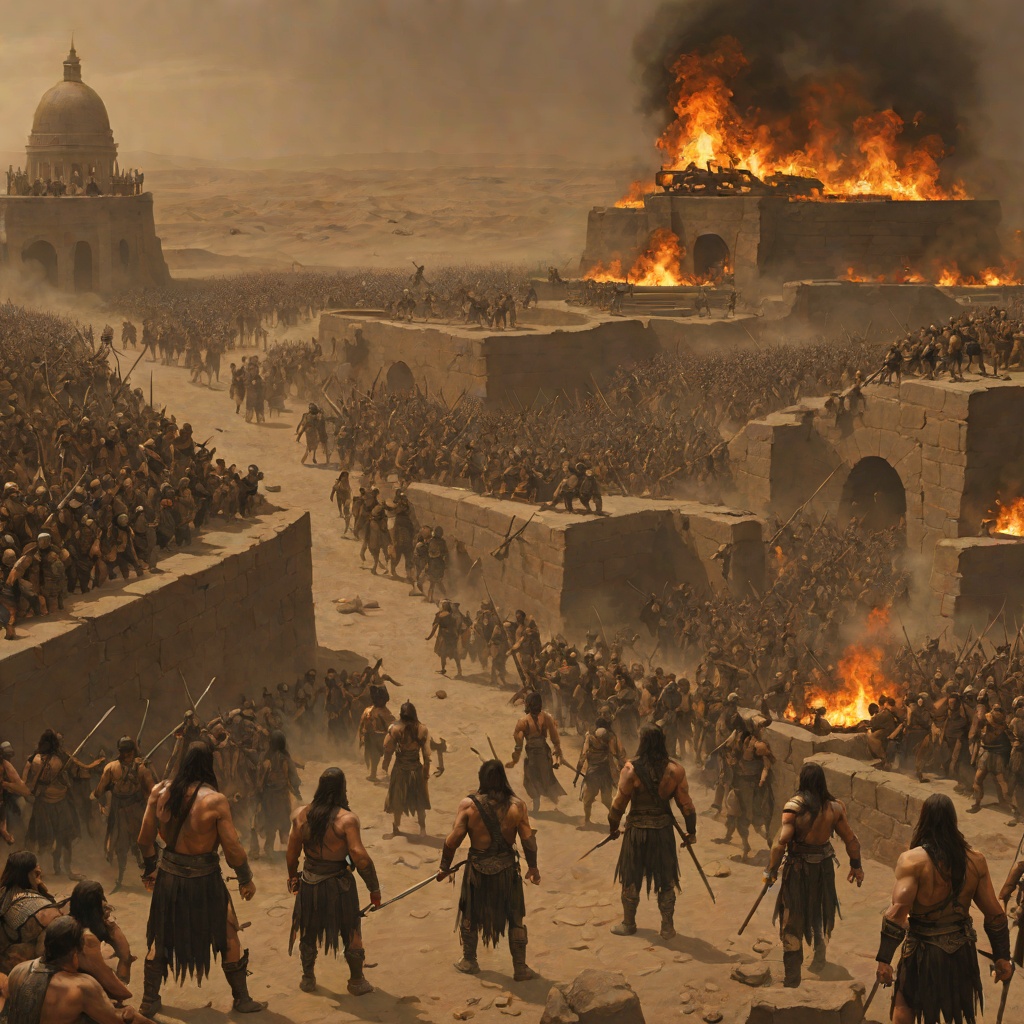
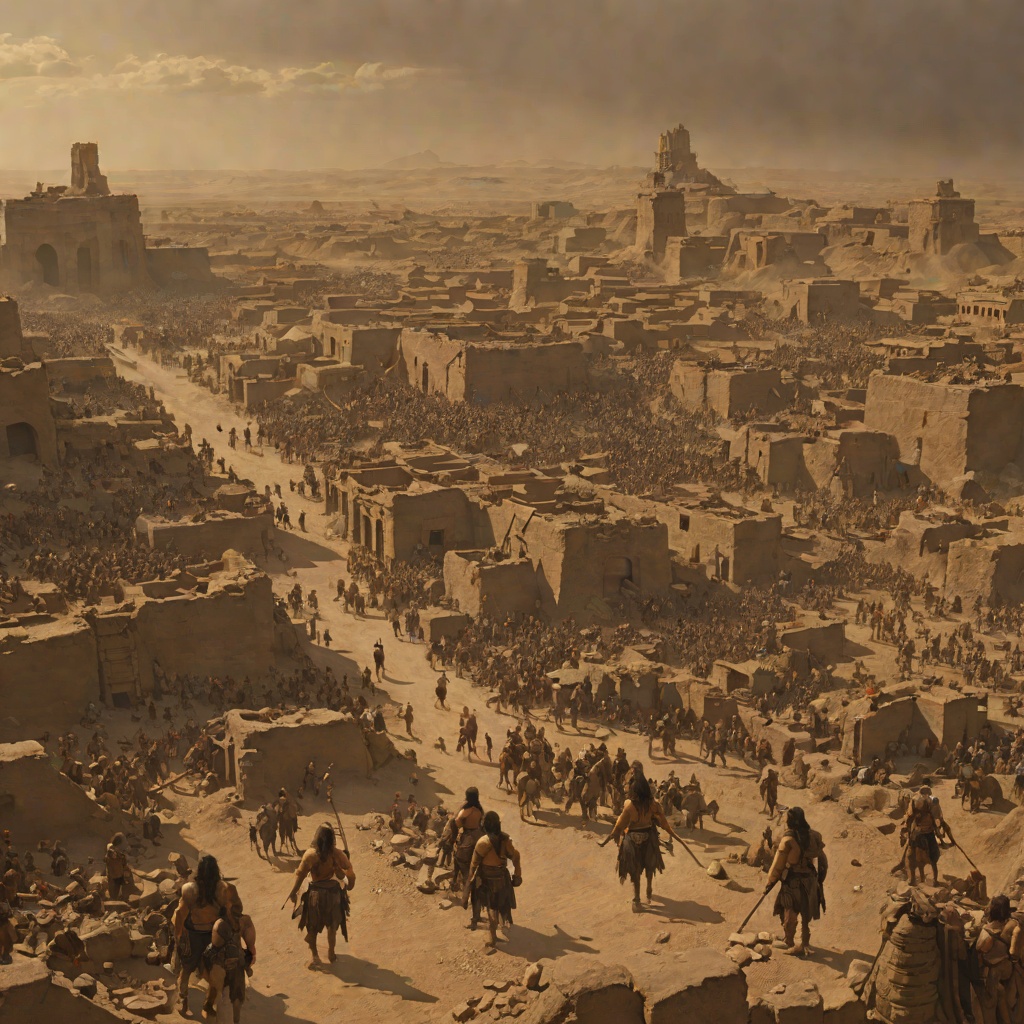
Conan the BarbarianThe Great Cleansing is the apocalyptic promise at the heart of the Cult of Set, the doctrine through which Thulsa Doom binds his followers into instruments of mass murder. It is not merely a prophecy but a command: a coming night of blood and fire in which all who stand against the cult—parents, teachers, judges, and infidels—shall be destroyed so that the earth may be cleansed and made ready to receive the serpent god. The doctrine transforms the cult's ritual violence into sacred duty, and it stands as the ideological antithesis of Conan's Cimmerian code, which holds that a blade of well-forged steel is the only thing a man can count on and that out of suffering is born strength. Where Conan's faith is personal, grim, and rooted in the material world, the Great Cleansing offers a collective, ecstatic path to paradise through the annihilation of others.
The Doctrine and Its Rhetoric
The Great Cleansing is articulated most fully in Thulsa Doom's exhortations to the Faithful of Set. In the great temple, with hundreds of candles throwing dim radiance over the eager faces of the congregation, Doom mounts the dais in his reptilian armour, his eyes dark and filled with sorcery but devoid of humanity. He fixes his gaze beyond the uplifted faces before him, as if seeing a vision of the future that he alone can see, and intones that the day of doom is here and the purging is at hand. All who stand against the cult in high places, all who have lied to the followers and tried to turn them from him—parents, teachers, judges—shall depart in a night of blood and fire. Then the earth shall be cleansed and ready to receive the god they worship. The congregation answers with a moan of ecstasy: "Set!"
Doom's rhetoric casts his followers as the agents of purification. "You, my children, are the pure water that will cleanse the world," he tells them. "You shall destroy all who stand against us. In your hands you hold the eternal light that burns in the eyes of Set!" The audience choruses as one. To seal the promise, Doom lights a candle held by a kneeling priest and declares that this flame shall burn away the darkness and light their way to paradise, if they but act when he calls on them. The imagery is deliberately sacred: the followers are not murderers but pure water, not killers but bearers of eternal light, and their violence is a cleansing flame that leads to paradise.
The doctrine is also rehearsed in the cult's catechism, where Doom asks his followers whether they fear the warm embrace of death and whether they will strike true to the infidel heart, whether it be the heart of friend, lover, or loved one in their former life. He asks whether they will slip the silken noose over the heads of Set's enemies, stay true despite the blandishments of leaders, judges, and parents who have taught them falsely, and clutch the hilts of their daggers to spill the heart's blood of the infidels, giving them the infinite benison of eternal peace. The litany promises that they will feel naught but joy when they perform their duty to their god and lord, when they strike for Set and Doom, and when the infidel bows before the blade, the cord, or the bowstring, accepting the inevitable. They will grow in love of the Dark Master, the Wise Serpent, in whose coils lies eternal life and bliss unutterable, for the day of Doom is at hand, the day of the Great Cleansing.
The Cult's Practices and the Logic of Sacrifice
The Great Cleansing is not merely preached but practiced in the cult's rituals, which habituate its followers to death and violence. The procession that Conan witnesses in the streets of the city is a public display of this indoctrination: girls and young women, some scarcely more than children, dance and chant to the rhythm of myriads of tambourines, draped in soiled white garments with garlands of wilted flowers crowning heads of unbound hair. Behind them march ranks of youths beating time on deep-voiced drums or making discordant music with cymbals, lyres, and plaintive flutes. The eyes of all are glazed, unaware of the scene about them, like dreamers walking in their sleep. Robed men with shaven pates stalk among them, bearing brazen pots in which incense smoulders, filling the air with seductive sweetness. At the rear come young men, scarcely more than boys, who stagger along with blank, drained faces, lashing their naked flesh with whips made of the hides of serpents and barbed with snakes' fangs, so that with each stroke their backs and shoulders are beaded with blood. Seemingly unaware of pain, they chant as they go: "Doom... Doom... Thulsa Doom..."
The cult's worship of death is explicit. A merchant warns Conan that the servants of Set are deceivers who worship Death, and that they would murder their own parents, thinking to confer a boon by relieving them of the burden of life. This inversion of filial piety is the logical endpoint of the Great Cleansing, which demands that followers sever all ties to their former lives. The cult's rituals enact this logic in the most literal way: in the vaulted chamber beneath the temple, the floor beneath a circular opening is littered with corpses, male and female, some fresh, some far gone in decay, others reduced to skeletal remains, while rats flee squeaking before the intruders. During the ceremony, a beautiful young woman, her slender body scarcely shielded by a gauzy wisp of fabric, mounts a stone corbel that juts out like a spar from the side of the aperture, and as the solemn chanting swells, she raises her arms and falls or throws herself into the corpse-filled pit. The cult's promise of paradise is thus underwritten by a continuous, ritualized production of death.
The Mountain of Power reveals the ultimate destination of the cult's victims. There, in a vast cavern, a huge cauldron upheld by four massive posts of blackened stone boils with great chunks of meat, while sweat-covered beast-men feed the flames and hack up carcasses to add to the stew. Hung from meat hooks to one side of the cauldron, half-hidden by steam and flickering firelight, are human bodies, drawn and bloodless, like beef sides or plucked fowl. From the delicate, almost translucent flesh covering the pallid faces and immobile limbs, it is clear that the victims had once been pilgrims to the Mountain of Power, followers of the serpent god. As the adventurers watch in horror, a pair of beast-men hack up one body with their cleavers and toss the pieces into the boiling liquid. The Great Cleansing, promised as a purification of the world, is here revealed as a cannibal feast in which the cult's own pilgrims are consumed.
The Great Cleansing and Conan's Counter-Doctrine
The Great Cleansing is the direct antagonist of Conan's worldview, and the conflict between them is dramatized in Doom's garden demonstration. There, Doom commands a young girl to leap from a wall to her death, and she obeys, falling with a heavy thud on the tiles of the garden walk below. Conan averts his eyes from the doll-like broken body. Doom laughs, the music of his laughter spun through with a note of triumph, and declares: "That is strength, boy—that is power! It is strength against which the hardness of steel or the resilience of human flesh are as naught. What is steel, compared to the hand that wields it; what is the hand, without a mind to command it? There is the secret of strength. Steel, bah!" The demonstration is a microcosm of the Great Cleansing: the willing sacrifice of a life to prove the power of the will, the reduction of human beings to instruments of a leader's vision. Conan's impassive face, the set of his bruised shoulders, seems to Doom to diminish his power, to offer an unspoken insult to one unused to insults. The barbarian's body is in chains, but his soul remains free.
Conan's counter-doctrine is rooted in the Cimmerian code he learned from his father on a rocky ridge swept clear of snow, as the night wind howled and lightning rent the tortured sky. There, Corin taught him that fire and wind are born in the womb of the heavens, the children of the sky gods, and that the mightiest of the gods is Father Crom, who rules earth and heaven and the broad and restless sea. Many secrets there be, whereof Crom is master, but the greatest of these is the secret of steel, a secret which the gods taught not to men but jealously guarded in their inmost hearts. The giants of old stole from Crom the secret of the silvery metal that, when bent, springs into shape again. This is the riddle of steel: the blade is the only thing a man can count on, and the hand that wields it is guided by a mind that must be free. Where Doom offers paradise through submission and annihilation, Conan's code demands that a man rely on his own strength and his own steel, and that a crown, when he wears one, be won by his own sword.
The Great Cleansing also stands in opposition to the Cimmerian understanding of death. To Conan, death is ever the enemy, and the cult's worship of death is a perversion. The Cimmerian code holds that pit fighters don't cry, that a Cimmerian must not weep, and that out of suffering is born strength. The way of the warrior is ever death, but it is a death faced with steel in hand, not a death embraced as a boon. When Conan finally confronts Doom, his prayer to Crom is not for paradise but for vengeance, and his love for Valeria is stronger than death. The Great Cleansing promises eternal life in the embrace of the Wise Serpent; Conan's answer is that a man's life is measured by what he does with his steel, not by what he surrenders to a god of death.
The Promise and Its Fulfillment
The Great Cleansing is a promise that the narrative both holds out and ultimately denies. Doom announces that the day of doom is here and the purging is at hand, but the cleansing he envisions never comes to pass as he intends. Instead, the doctrine's logic of sacrifice is turned against its own master. The cult's promise that followers will feel naught but joy when they strike for Set and Doom is belied by the horror of the Mountain of Power, where the cult's own pilgrims are consumed. The promise of paradise is revealed as a lie, and the night of blood and fire that Doom promises becomes the night of his own destruction. When Conan beheads Thulsa Doom, the Great Cleansing dies with its prophet, and the earth is not cleansed but left to the living. The doctrine's significance lies in what it reveals about the cult: a system of belief that demands the annihilation of all who stand outside it, and that ultimately consumes its own followers in the service of a god of death. Against this, Conan's code of steel and suffering stands as the only true answer to the riddle of life.