
Crash as Rehearsal
CrashThis flow traces the novel's repeated movement from real accident to simulation, from simulation to fantasy, and from fantasy back to real death.
increasing Bearing strength in each event
 decreasing
Bearing strength in each eventdecreasingPersonal Rehearsal
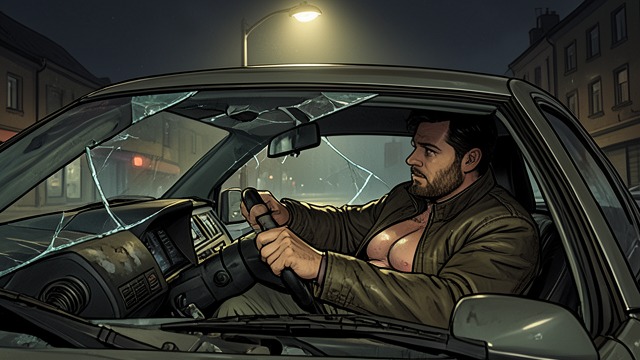
Personal Rehearsal
Event
The narrator experiences his collision as the private rehearsal of a disaster already anticipated by safety culture.
Conflict
He cannot decide whether the crash is accidental or meaningful. This uncertainty drives the narrative's later experiments.
Imaginary Almanac
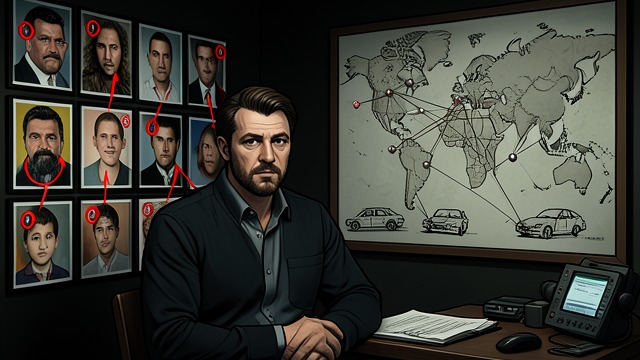
Imaginary Almanac
Catalogue
Vaughan invents elaborate deaths for strangers, celebrities, criminals, children, and lovers.
Escalation
Fantasy expands beyond individual fear into a comprehensive technology of wounds. The imagined crash becomes more organized than reality.
Controlled Simulation
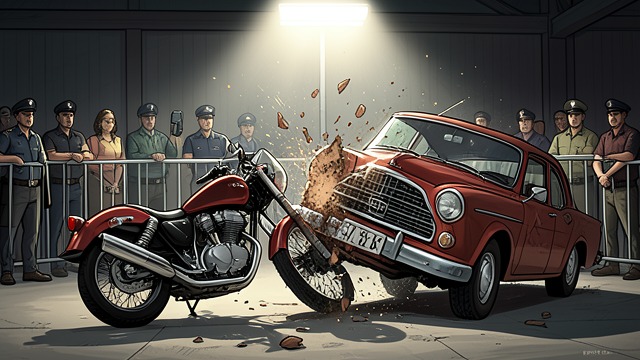
Controlled Simulation
Test
A motorcycle and saloon car are deliberately driven into one another before officials and visitors.
Breakdown
The controlled experiment produces an image so violent that it overwhelms its scientific framing. Simulation acquires the emotional force of real catastrophe.
Staged Celebrity Death
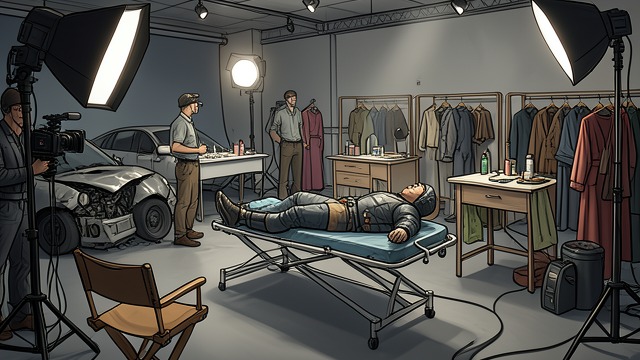
Staged Celebrity Death
Production
The studio prepares a crash sequence using wrecked cars, makeup, costumes, and a substitute performer.
Confusion
The artificial death becomes an operational rehearsal for Vaughan's real plan. Fiction supplies the tools with which reality will be attacked.
Realized Rehearsal
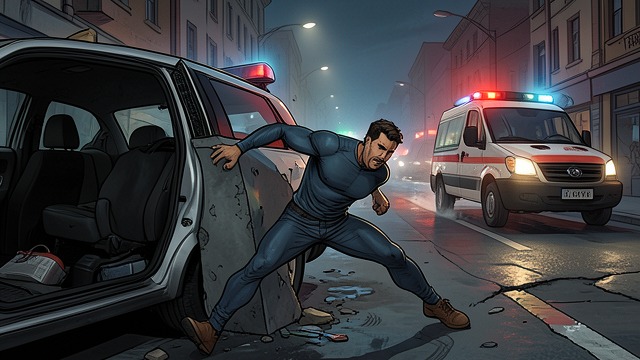
Realized Rehearsal
Collision
Seagrave dies while performing the actress's image, and Vaughan later dies pursuing the same imagined event.
Resolution
The boundary between rehearsal and final act disappears. The novel's most dangerous fantasies become the events that define its deaths.
at the first collision
during the narrator's early recovery
during the Road Research Laboratory open day
during the film production
near the ending
