
Technology and the Body
CrashThis flow traces the novel's expanding analogy between automotive components and human anatomy.
increasing Bearing strength in each event
 decreasing
Bearing strength in each eventdecreasingInstrument Imprints
Instrument Imprints
Evidence
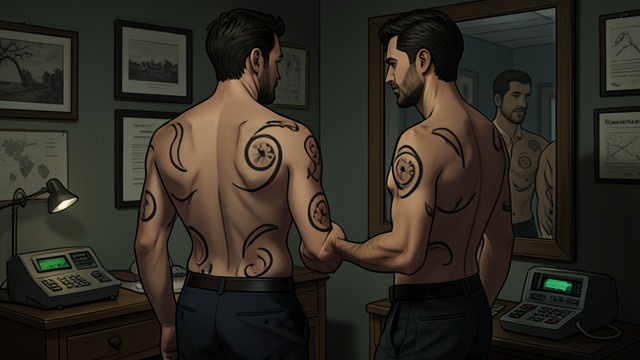
The narrator recognizes steering wheel, dashboard, and control shapes in the bruises on his chest and knees.
Insight
The car has written itself into his flesh. Injury becomes a permanent interface between body and machine.
Styling as Anatomy
Styling as Anatomy
Comparison
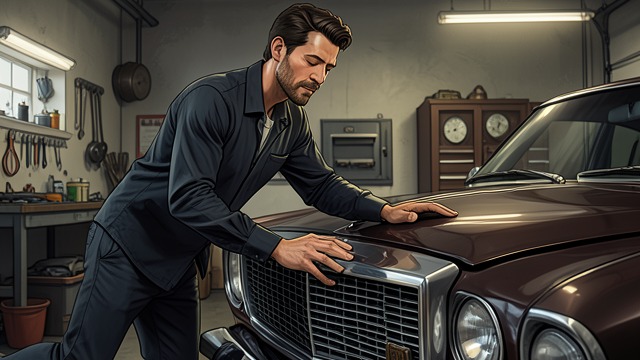
Vaughan studies fenders, grilles, wheel housings, and windshield pillars as though they were limbs and organs.
Principle
Design becomes a form of flesh. The automobile's expressive surfaces appear to possess sexuality independent of their practical use.
Wounds as Openings
Wounds as Openings
Experiment
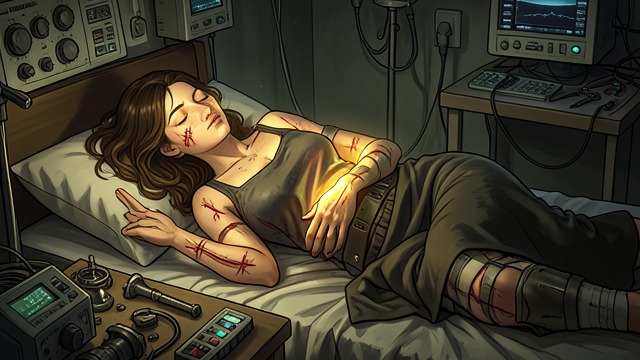
The narrator treats scars, brace grooves, and pressure marks as new erotic apertures.
Implication
The body is imagined as unfinished technology. Trauma does not merely damage sexuality; it invents additional forms of contact.
Vehicle as Organism
Vehicle as Organism
Perception
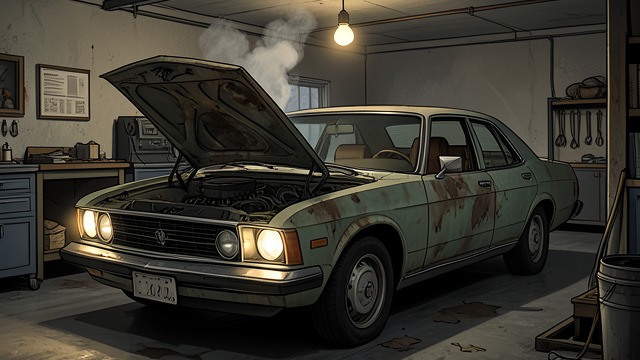
Cars breathe through engines, display nerves through dials, and carry memories through stains, scratches, and worn upholstery.
Effect
The narrator can no longer treat vehicles as tools. They become living partners in human desire and violence.
Machine Future
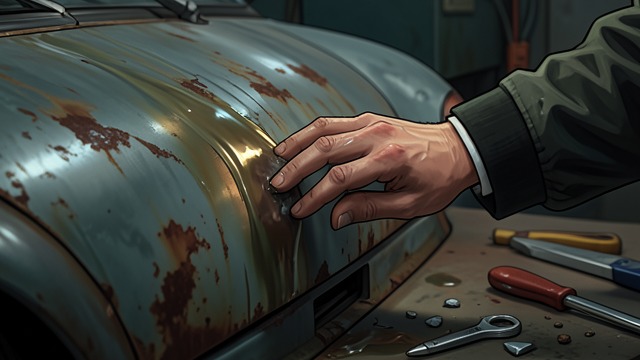
Machine Future
Inscription
The narrator marks wrecked panels and controls with semen after Vaughan's death.
Future
The gesture imagines a future in which machines and bodies share one erotic archive. Technology is no longer external to human destiny.
during hospital examination
during Vaughan's early investigations
during Gabrielle's encounter
during the narrator's drives with Vaughan
at the final police pound scene
