
The Police and the Limits of Law
CrashThis flow traces how legal institutions repeatedly fail to contain the novel's eroticized violence.
increasing Bearing strength in each event
 decreasing
Bearing strength in each eventdecreasingAccident Inquiry
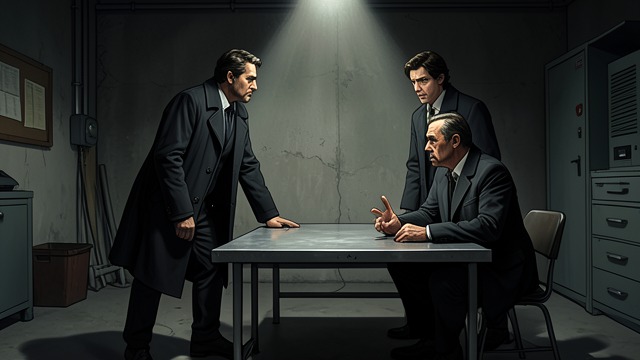
Accident Inquiry
Investigation
Police question the narrator about the collision that killed Charles Remington.
Limitation
The law treats the event as a problem of responsibility, while the narrator experiences it as a transformation of body and desire.
Accidental Verdict
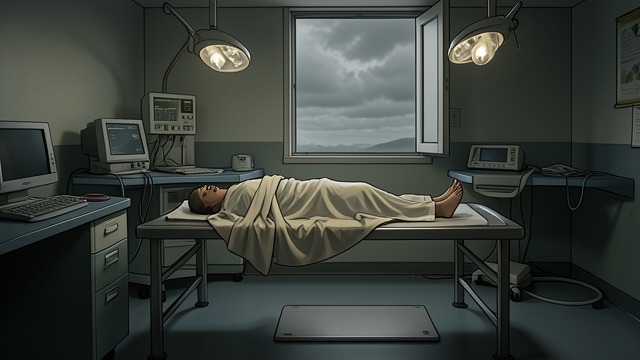
Accidental Verdict
Decision
The coroner returns a verdict of accidental death and brings no manslaughter charge.
Disjunction
Legal closure fails to produce emotional closure. The narrator's private mythology continues beyond the institution's conclusion.
Police Frustration
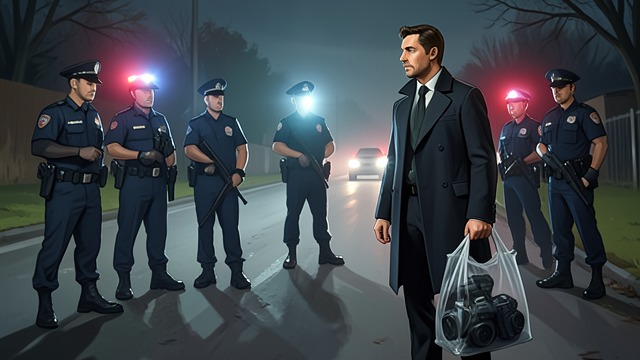
Police Frustration
Suspicion
Police question Vaughan about a pedestrian's death and later remove his photographic equipment.
Failure
They identify danger without understanding its logic. Vaughan remains mobile because his crimes look like fragments of accident rather than a coherent project.
Public Obstruction
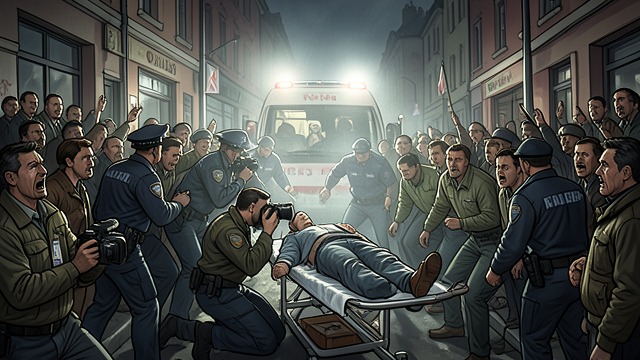
Public Obstruction
Scene
Police and ambulance workers try to clear crowds while Vaughan photographs injured victims.
Conflict
Emergency authority competes with spectatorship. The crowd's fascination repeatedly defeats attempts to restore the accident's privacy.
Posthumous Evidence
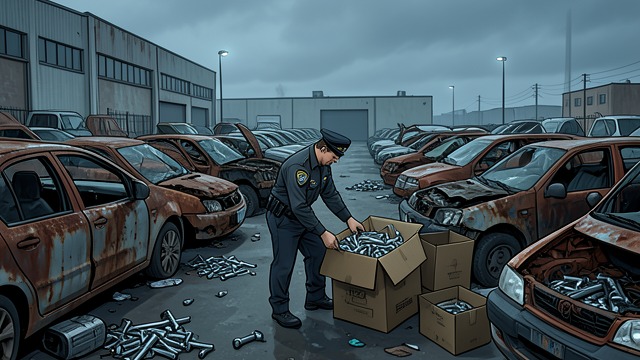
Posthumous Evidence
Remains
Police impound Vaughan's equipment and the wrecked cars connected with his project.
Limits
Evidence can catalogue the aftermath but cannot recover the emotional system that produced the crimes. Vaughan's logic survives in the narrator.
during the narrator's hospitalization
after the inquest
during Vaughan's surveillance campaign
during the major motorway crashes
after Vaughan's death
