
The Collapse of Moral Distance
CrashThis flow traces how the narrator gradually loses the ability to distinguish observation, participation, and complicity.
increasing Bearing strength in each event
 decreasing
Bearing strength in each eventdecreasingInitial Revulsion
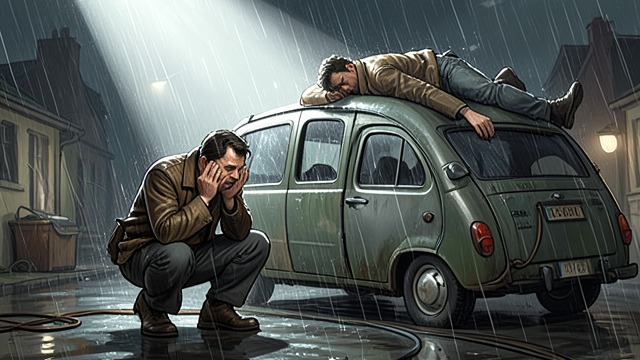
Initial Revulsion
Response
The narrator experiences shock, guilt, and confusion after killing Charles Remington.
Distance
He still recognizes a moral difference between suffering and his own fantasies, though that difference is unstable.
Aesthetic Observation
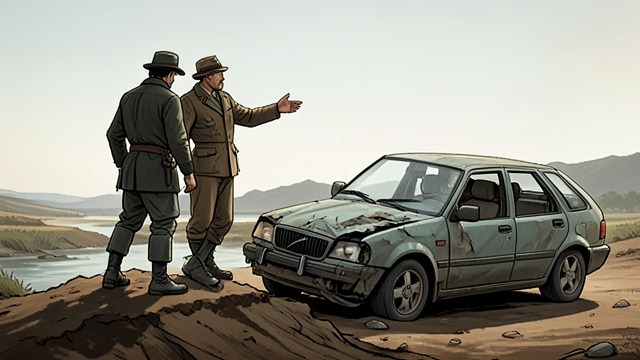
Aesthetic Observation
Looking
The narrator begins watching crashes, rescue workers, and damaged cars with Vaughan.
Shift
He describes injury through geometry and design. Observation becomes an emotional defense against recognizing victims as people.
Active Reenactment
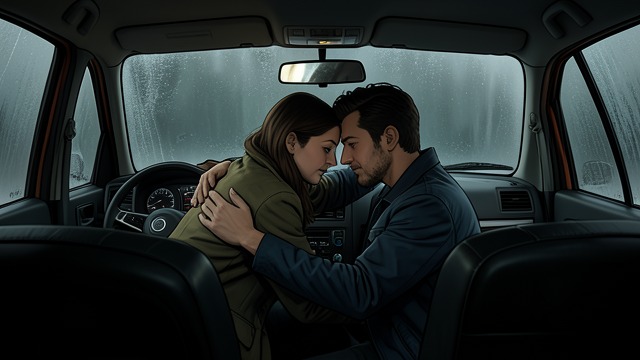
Active Reenactment
Participation
The narrator deliberately returns to the collision route and has sex with Helen inside cars.
Complicity
He no longer merely interprets the accident. He uses it to produce new experiences for himself and another survivor.
Professional Detachment
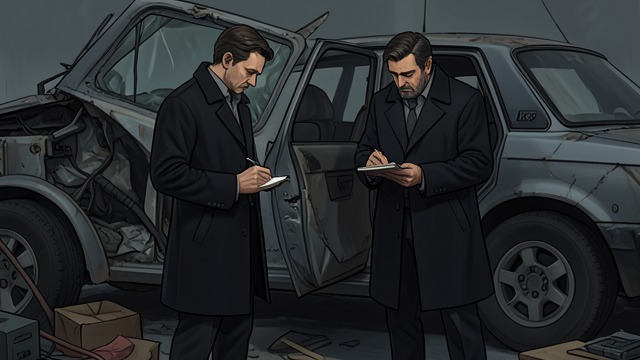
Professional Detachment
Practice
The narrator and Vaughan visit crashes as if they were specialists studying recurring procedures.
Corruption
Their expertise removes immediate horror. Suffering becomes a professional language that justifies continued voyeurism.
Final Inscription

Final Inscription
Act
The narrator marks wrecked vehicles with semen after Vaughan's death.
Verdict
He has crossed from witness to author. The violence he once attributed to Vaughan now continues through his own deliberate gestures.
during the first hospital days
during early drives with Vaughan
during the affair with Helen
after Seagrave's death
at the police pound near the ending
