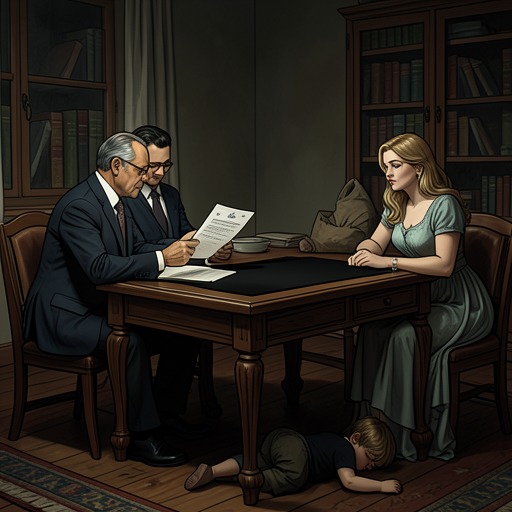
Dead Weight
Crazy Mama: 9 Steps to a Not-So-Normal LifeDead Weight names the burden of past pain that, in the book’s account, can obstruct a person’s movement toward a fuller future. Its governing image is a backpack filled with rotting, stinking junk: what someone clings to for protection may instead weigh them down, keep old wounds active, and prevent them from pursuing the life the book associates with God’s blessing. Release is presented not as denial of suffering but as a necessary passage from bitterness and guilt toward forgiveness, freedom, and renewed purpose.
The Burden and Its Images
The book makes the idea concrete through the recurring image of a puke-covered jacket carried in a backpack. The jacket represents the past when its pain has become something a person continues to haul around even though it is damaging rather than useful. The metaphor’s force comes from its reversal: what is desperately held onto is compared not to a treasured possession but to spoiled, offensive material that needs to be discarded. The weight is emotional as well as physical in the image; the burden grows heavier and stinkier the longer it remains in the pack.
The narrow path toward life supplies another measure of the problem. It is described as narrow and constricted, with no room for the baggage of the past. A person who refuses to let go cannot simply carry the burden onward without consequence: the pain takes up the space needed to move forward. The book therefore treats release as a practical condition of progress, not merely a reassuring sentiment. The past must be left behind if a better future is to be entered.
A grocery-store entrance extends the same idea into a threshold image. Someone who cannot pass through the automatic doors remains stuck in the doorway, between the muddy mats and stacked carts outside and the abundance represented by the shelves and bins within. The analogy casts unresolved pain as a barrier between the sufferer and what may lie ahead. God is portrayed as willing to provide for that future, but the person must move through the entrance and allow the doors to close behind them.
Guilt, Injury, and Repeated Pain
The burden does not come from only one kind of past. The book distinguishes guilt over one’s own mistakes from hurt caused by what others have done. It invokes the possibility of a broken relationship, a personal loss, or a career that failed, as well as pain connected to being hurt or robbed. Some wounds seem beyond the sufferer’s control, and the text acknowledges the feeling that no one else is suffering in the same way. Dead Weight thus covers both self-reproach and bitterness toward another person or even toward God over a loss.
For guilt, the book argues that forgiveness is available when people admit their sins and confess them. God is described as wanting relationship and a good life for people, and as providing a way to restore the relationship when someone has gone off track. In this account, the obstacle is not that God refuses to forgive; it is that a person may struggle to forgive themselves. Satan is described as using guilt to keep past failures continually present, reminding people of wrongs, missed opportunities, and mistakes so that they remain fixed on what has already happened.
For pain inflicted by others, the book emphasizes a different struggle: the hurt may feel persistent and outside the sufferer’s control. Its counsel is nevertheless to avoid returning to the same injury over and over. The comparison drawn from Proverbs is a dog returning to its vomit, a deliberately repellent image that makes repetition seem not healing but self-defeating. Revisiting the same grievance, the book argues, keeps a person bitter and blaming rather than freeing them to move on. It also suggests that bitterness can function as a shield from the frightening possibility of one’s own greatness, so the burden may persist even when it is plainly destructive.
Terah at Haran
The account of Terah gives the book’s teaching a narrative example. Before God called Abraham toward the Promised Land, the same dream of departure had been placed in the heart of Abraham’s father, Terah. He left his hometown of Ur with his goods, heading toward Canaan, but stopped in Haran. The book links that stop to grief: Terah had lost his son, and the name of the town recalled the loss. The dream’s forward motion was thus interrupted by a place associated with sorrow.
The text draws particular weight from the biblical sequence that Terah and his party settled in Haran and that Terah died there. In the book’s interpretation, settling in sorrow can become a rut, and the rut can close around a life like a grave. The contrast is between remaining in bitterness and continuing toward the dream God had placed in Terah’s heart. The example does not erase the pain or claim that moving on is effortless; instead, it warns that grief can become a permanent dwelling when the sufferer cannot leave it behind. The image of storm clouds returning after a brief clearing reinforces the account of bitterness as something that can reassert its hold.
Forgiveness and Restoration
Release is tied to the book’s theology of grace. Jesus died, it says, to break the curse of separation from God and make God’s presence available; his declaration that the work was finished means that people do not earn their way back through additional deeds. This account gives forgiveness its basis in a gift already made, rather than in a person’s ability to make the past harmless. Because God’s mercy is renewed, the book urges people to extend mercy to those who have hurt them, day by day.
The book also distinguishes forgiveness from the restoration that may follow. The narrator describes realizing that God had forgiven her, then becoming newly encouraged by the promise that God would restore what had been lost. In response, she began paying off bills with confidence that her finances would be restored and stopped brooding over lost years because she believed God could restore time. Her example turns the idea of release into renewed action: leaving the past behind does not mean doing nothing, but makes it possible to act toward a future without being governed by regret.
Freedom and Renewed Agency
The book presents the consequences of release in terms of freedom, restored dreams, and a changed sense of identity. Bitterness and despair are compared to shackles around the ankles, preventing a person from running in God’s power. By contrast, letting go makes room for abandoned dreams and visions to be revived. The backpack and jacket image returns at the point of declaration: the reader is urged to open the pack, throw out its contents, and understand themselves as free to pursue a promised future.
That freedom connects Dead Weight to the book’s wider language of blessing and capability. It tells its readers to see themselves as children of God, to recognize potential rather than define themselves by deficiency, and to believe that strength comes through Christ. It also stresses that words have creative power and describes declarations of faith as a way to speak toward a hoped-for future. The concept’s role is therefore both diagnostic and directive: it identifies how old pain can narrow a person’s life, then calls for forgiveness and trust as a means of moving again. Its promise is not that suffering never occurred, but that the past need not remain the weight that determines what comes next.