
Faith and the Hope of Mercy
Crime and PunishmentMarmeladov’s hope of divine forgiveness gives spiritual meaning to disgrace, while Raskolnikov’s own inherited faith remains uncertain.
increasing Bearing strength in each event
 decreasing
Bearing strength in each eventdecreasingA Mother’s Religious Question
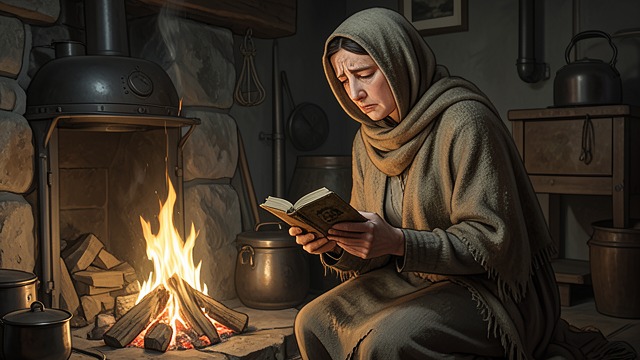
A Mother’s Religious Question
Prayer Across Distance
Raskolnikov’s mother asks whether he still prays and believes in the mercy of God. She remembers him saying his prayers as a child beside her and fears that he may have lost his faith.
Her question brings childhood intimacy into the present, but the letter supplies no answer from Raskolnikov. His private crisis remains caught between inherited belief and the demand to act alone.
The Father Who Has Nowhere
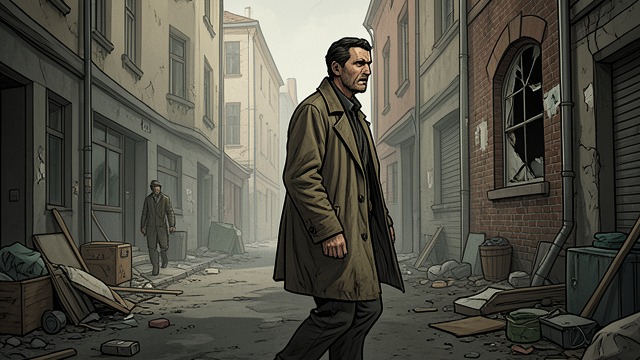
The Father Who Has Nowhere
A Place to Turn
Marmeladov asks whether Raskolnikov understands what it means to have nowhere to go. He describes returning to officials and family even when he expects rejection or punishment.
The need for a destination becomes both practical and emotional. His appeal suggests that even a disgraced person depends on the possibility of being received somewhere.
The Plea for Pity

The Plea for Pity
Judgment and Compassion
Marmeladov admits that he deserves punishment for drinking away his family’s money, yet asks to be pitied. He imagines a judge who understands human weakness and receives even those who feel unworthy.
His religious hope does not excuse the harm he causes. Instead, it insists that judgment without compassion cannot encompass the entire human person.
A Daughter’s Sacrifice Seen
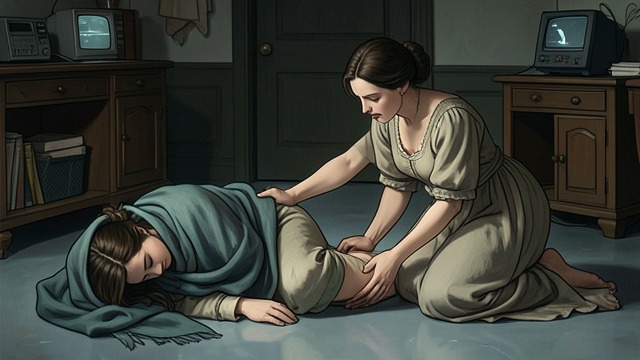
A Daughter’s Sacrifice Seen
Love in Silence
Marmeladov recounts that Sofya Semyonovna Marmeladova returned with money and then lay facing the wall, trembling beneath a shawl. Katerina Ivanovna knelt and kissed her feet.
He imagines that divine compassion recognizes the daughter’s suffering and her care for a family not wholly her own. His faith interprets her sacrifice as love, even when the household’s dependence on it remains painful.
Forgiveness Imagined
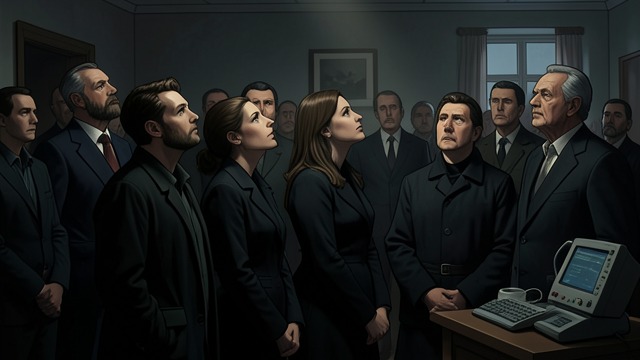
Forgiveness Imagined
A Kingdom for the Shamed
Marmeladov pictures sinners, drunkards, and the humiliated standing before a merciful judge. He expects that even people marked as unworthy may be welcomed because they never believed themselves deserving of grace.
The tavern audience mocks him, but his vision creates a counterpoint to social exclusion. Mercy does not erase responsibility; it offers the possibility that human worth exceeds public disgrace.
At the end of the letter, the morning after Raskolnikov sleeps late
The first evening, during Marmeladov’s tavern speech
Later in the same tavern speech
In Marmeladov’s account of Sonia’s first payment
At the close of Marmeladov’s speech
