
Reason Against the Body
Crime and PunishmentHunger, heat, exhaustion, and fever repeatedly alter Raskolnikov’s judgment, undermining his confidence that reason can command his actions.
increasing Bearing strength in each event
 decreasing
Bearing strength in each eventdecreasingThe Hungry Walk

The Hungry Walk
A Body Under Strain
Raskolnikov walks through oppressive heat after barely eating for two days. The smell, dust, and crowds intensify his already overwrought nerves.
He tries to treat his fear as cowardice and his plan as a question of will. The physical state he dismisses, however, repeatedly changes his ability to think and act.
Beer and False Clarity
Beer and False Clarity
Temporary Relief
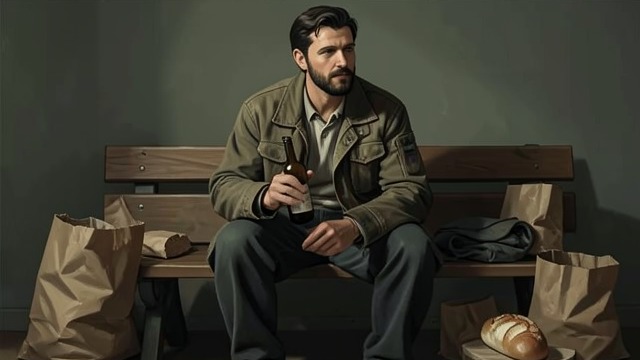
After leaving Alyona Ivanovna’s apartment, Raskolnikov drinks beer and eats bread. He quickly feels calmer and tells himself that his distress was only physical derangement.
The relief encourages confidence without solving the moral problem. His conviction that a small bodily remedy restores firm judgment shows how readily he mistakes temporary sensation for lasting clarity.
A Letter in Fever
A Letter in Fever
Emotion and Exhaustion
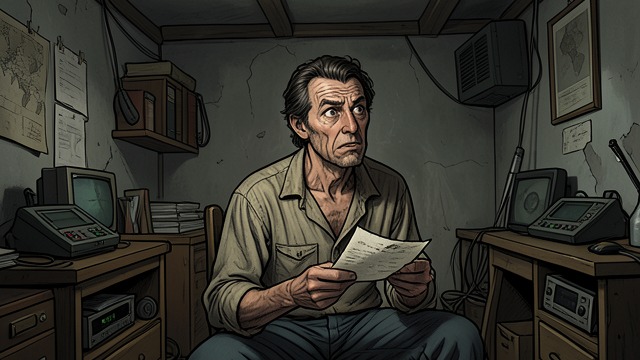
Raskolnikov wakes irritable and weak, then receives his mother’s long letter. His bodily fatigue and emotional shock combine to make the cramped room feel unbearable.
He leaves without a clear destination, muttering and losing track of his surroundings. His thinking becomes less a deliberate argument than a succession of intense, unstable reactions.
Sleep and Fevered Preparation
Sleep and Fevered Preparation
Lost Hours
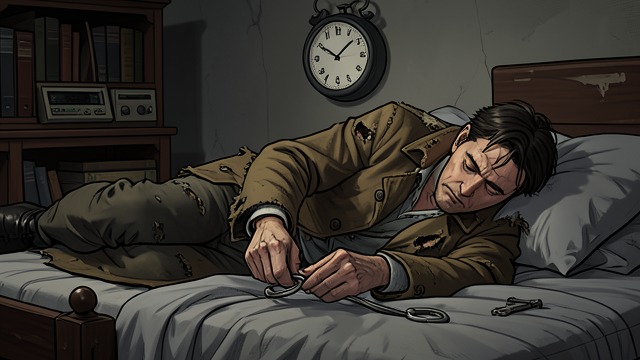
Raskolnikov sleeps heavily after roaming the city and drinking vodka, then wakes with alarm at the hour he believes matters. He experiences his lateness as a sudden crisis.
His hands shake while he prepares the hidden axe loop and false pledge. The careful mechanics of the plan are performed by a body in distress, not by the controlled and unimpaired agent he imagined.
The Mind Gives Way
The Mind Gives Way
Confusion at the Scene
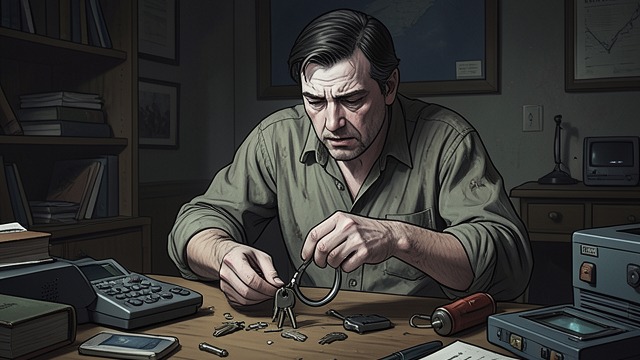
Raskolnikov initially acts almost mechanically, then struggles with keys, valuables, noises, and unexpected visitors. His attention lurches between essential dangers and trivial tasks such as washing the axe.
The disorder contradicts his theory that he can preserve reason and will at the moment of the crime. He escapes physically, but returns to his room in blank exhaustion rather than mastery.
Early July, on the first evening
That evening, after the pawnshop visit
The morning after the first tavern encounter
The next day, near six in the evening
During the murders and immediate escape
