Marfa Petrovna
Crime and PunishmentMarfa Petrovna is Mr. Svidrigailov’s wife and a relative of Pyotr Petrovitch Luzhin. In the account of Avdotya Romanovna Raskolnikova’s past relayed in Raskolnikov’s mother’s letter, she emerges as both a cause of Avdotya’s public disgrace and the person who works most energetically to undo it. Her error has consequences beyond the household: it exposes Avdotya to town-wide suspicion, and its public correction helps transform the family’s prospects.
Identity and Position
Marfa Petrovna belongs to the household where Avdotya Romanovna Raskolnikova worked as a governess. Raskolnikov’s mother describes her as kind and generous in ordinary conduct, even while recounting the painful events that made her daughter’s position there difficult. She is also distantly related to Pyotr Petrovitch Luzhin, and the letter credits her with taking an active part in bringing about his acquaintance with the family and his marriage proposal to Avdotya.
Her social influence is central to both sides of her role. She knows people throughout the town and surrounding district, and her visits and talk about household affairs carry far beyond the family circle. That reach first amplifies an accusation; later, it lets her publicize the evidence that disproves it. The same social channel can isolate Avdotya or return her to respectability, depending on what Marfa Petrovna puts into circulation.
Suspicion and Avdotya’s Expulsion
The crisis begins when Mr. Svidrigailov, who had treated Avdotya rudely and made jeering remarks, reveals that he has conceived a passion for her and makes an open, shameful proposal. Avdotya cannot simply leave at once: she has received an advance of one hundred roubles, much of which was used to send money to her brother, and leaving would also risk a scandal and hurt Marfa Petrovna. She remains in the household for another six weeks, enduring a situation she has not disclosed fully to her mother.
Marfa Petrovna accidentally overhears her husband imploring Avdotya in the garden. Misinterpreting what she hears, she blames Avdotya rather than her husband. The confrontation is immediate and severe: Marfa Petrovna strikes Avdotya, refuses to listen to her explanation, and orders her sent away. The household packs Avdotya’s clothes and linen hastily into a plain peasant cart, without folding them. In heavy rain, Avdotya has to travel the seventeen versts into town in the open cart. Her expulsion turns a private misjudgment into a visible humiliation.
The Scandal and Its Correction
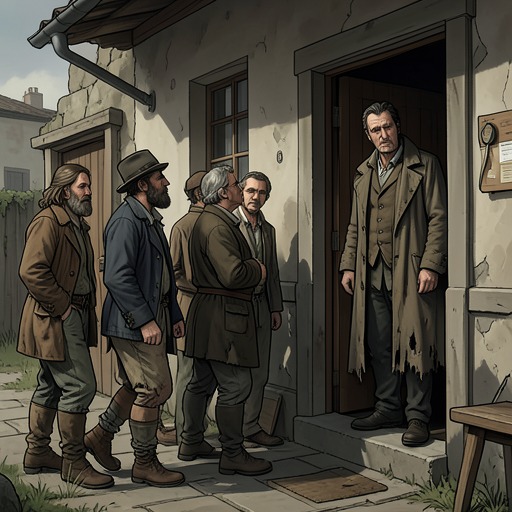
Marfa Petrovna’s initial accusation does not remain within the family. According to Raskolnikov’s mother, she speaks about the affair in the town and surrounding district, and the story becomes a scandal. For a month, the mother and daughter face whispers, contemptuous looks, and remarks made aloud; acquaintances avoid them, and even their ability to go to church is affected. The threat of further public harassment grows when shopmen and clerks are said to be planning to smear the gates of their house with pitch, alarming their landlord.
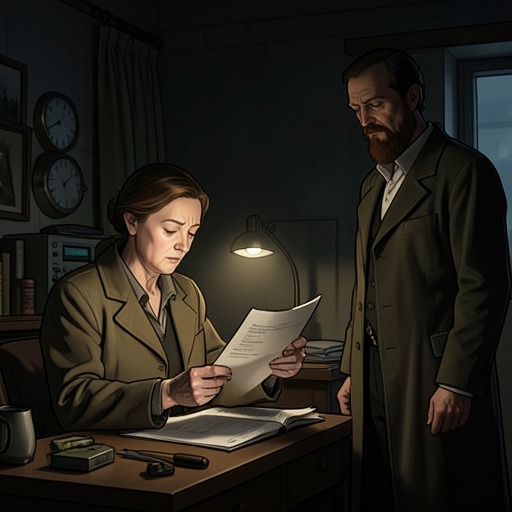
The account changes when Mr. Svidrigailov returns to his senses and gives Marfa Petrovna proof of Avdotya’s innocence. The letter Avdotya had written to refuse secret meetings and personal explanations shows her rebuking him for his conduct toward his wife and for tormenting a vulnerable young woman. Evidence from the servants also confirms what Marfa Petrovna had failed to understand. She is taken aback, becomes convinced of Avdotya’s innocence, and recognizes that she had wronged her.
Public Penance and Consequences
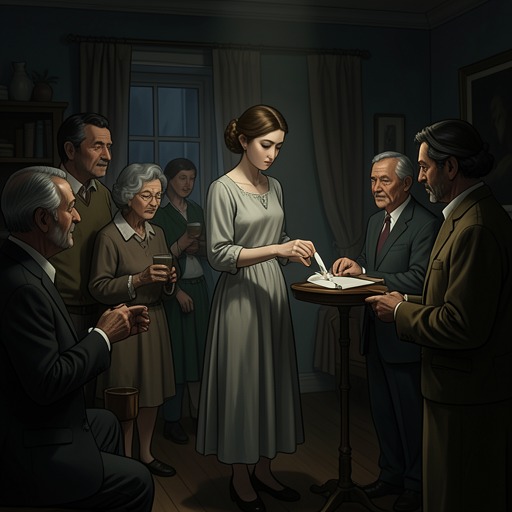
Marfa Petrovna’s apology is both personal and public. On Sunday she goes to the Cathedral, kneels and prays for strength to bear the trial and do her duty, then visits the family, tells them the truth, weeps, and embraces Avdotya while asking forgiveness. That same morning she begins visiting houses throughout the town to affirm Avdotya’s innocence and the nobility of her conduct. She shows people Avdotya’s letter and lets them take copies.
The effort lasts several days and becomes so extensive that the order of her visits matters: people take offence when one household is given precedence over another, so she has to arrange turns. Some gather for readings even after hearing the letter elsewhere. Raskolnikov’s mother considers this display excessive, but it succeeds: Avdotya’s reputation is restored, while the disgrace of the affair settles on Mr. Svidrigailov as the person at fault. Several families ask Avdotya to give lessons; she refuses. The improved regard surrounding her contributes to the family’s changed circumstances and to the marriage proposal that Marfa Petrovna helps bring about.
Narrative Role
Marfa Petrovna is presented through a family letter, so her actions reach the reader as part of Raskolnikov’s mother’s explanation of what happened to Avdotya. Within that account, the sharp reversal in her conduct matters as much as the initial mistake: she moves from striking and expelling Avdotya to pleading for forgiveness and defending her before the same community that had condemned her. The letter does not erase the harm of her accusation, but it shows how her social position and appetite for circulating a story can serve opposite ends. Marfa Petrovna helps make public shame, then becomes the chief agent of its public repair.