Marmeladov’s relapse and theft of the family’s money
Crime and PunishmentMarmeladov’s relapse and theft of the family’s money undo a short-lived restoration of work, income, and domestic hope. After receiving another chance at employment, he brings home his first wages and briefly experiences his family’s renewed affection; within days, however, he steals from Katerina Ivanovna, abandons his post, and returns to drink. His account makes the collapse especially painful because it sets the warmth of that brief recovery against the deliberate act that destroys it.
Background and a Second Chance
Marmeladov’s return to service begins after he has appealed to a senior official, Ivan Afanasyvitch, and been taken back on personal responsibility despite having disappointed him before. Marmeladov presents the decision as an act of mercy: the official knows his past failure, yet offers him work again. The position brings more than a salary. For a family living in one room, with Sofya Semyonovna Marmeladova’s space partitioned off, a dependable wage appears to make ordinary security possible.
The reinstatement is recent, not the culmination of a long recovery. Marmeladov says it happened five weeks earlier. When he arrives at the tavern where he recounts the episode, he is again drinking and has been away from home for five days. That interval gives the return to work a compressed, precarious shape: his family’s hopes gather around a change that has barely begun before his relapse overturns it.
The Household’s Brief Renewal
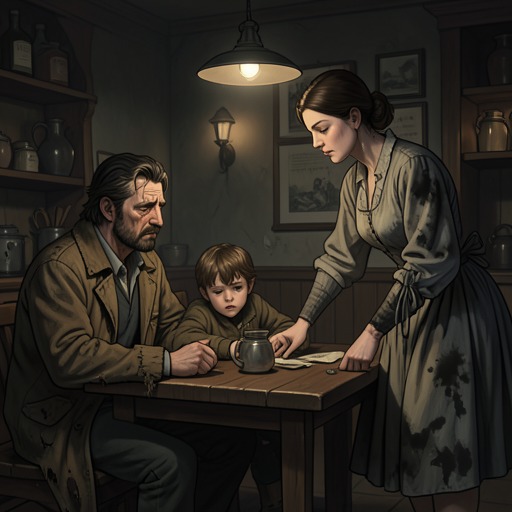
The first wages produce a striking change at home. Katerina Ivanovna and the children treat Marmeladov as someone whose work deserves quiet and consideration. They hush the children while he rests, make him coffee, and boil cream for him. They also manage to assemble eleven roubles and fifty kopecks for a respectable outfit: boots, shirt-fronts, and a uniform. The care is materially modest, but it restores a sense that his return to service can be recognized and supported by the household.
Katerina Ivanovna marks the occasion in other ways. Although she has no proper dresses, she arranges her hair and puts on a clean collar and cuffs, making herself presentable for the altered circumstances. She invites Amalia Fyodorovna Lippevechsel for coffee, despite their recent quarrel, and tells her that Marmeladov is working again and receiving a salary. In Marmeladov’s telling, she embellishes the official’s welcome, imagining a public, ceremonious reception and words of trust. He insists that she believes the story herself and does not blame her for it. Her imagined version turns the reinstatement into a restoration of dignity, not merely a paycheck.
Six days before his confession in the tavern, Marmeladov brings home twenty-three roubles and forty kopecks, his first earnings in full. Katerina Ivanovna calls him her darling and pinches his cheek when they are alone. The gesture unsettles the image of him as only a degraded drinker: he remembers tenderness with precision, and his account makes clear how much that tenderness matters to him. For a brief evening, he dreams of clothing the children, giving his wife rest, and rescuing Sofya Semyonovna Marmeladova from dishonour so that she might return to the family’s embrace.
Theft, Abandonment, and Relapse
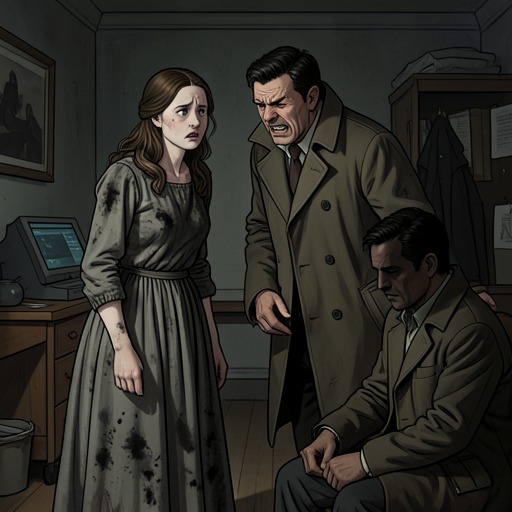
The reversal comes the next day. Marmeladov steals the key to Katerina Ivanovna’s box, takes what remains of his earnings, and leaves home. He calls the act a cunning theft, acknowledging that he knows what he is doing. By the time he tells the story, five days have passed. His employment is over, and his uniform is lying in a tavern on the Egyptian Bridge; he has exchanged it for the clothes he now wears. The practical signs of his return to work are thus dismantled one by one: the money is gone, the post is lost, and the uniform has become a means of obtaining other garments.
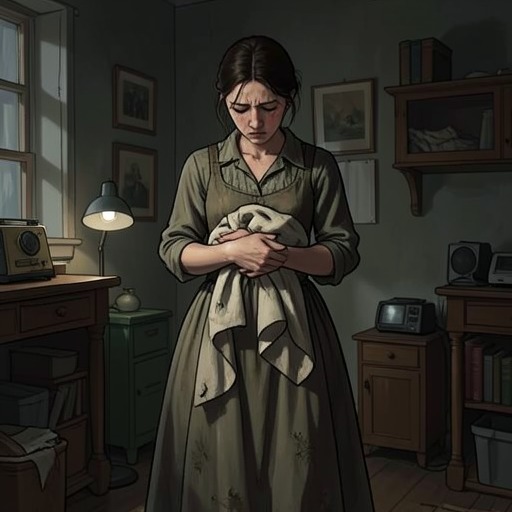
His next admission extends the damage beyond the money he took from his wife. That morning, he visits Sofya Semyonovna Marmeladova to ask for something to drink. The quart he has in the tavern, he says, was bought with thirty kopecks she gave him—the last money she had. She does not reproach him; she looks at him without speaking. Marmeladov dwells on the cost of her appearance, including pomatum, petticoats, and shoes, because she must maintain the outward presentation her circumstances demand. His awareness of what the money means does not prevent him from spending it on alcohol. Instead, that awareness sharpens his shame: he has taken from the daughter already sacrificing for the family.
The relapse also consumes the recovery he had briefly imagined. The renewed household attention, the first full wages, and his plans for the children and his wife are not followed by gradual decline in his account; they are abruptly contradicted by his theft and departure. His uniform in the tavern makes the reversal visible as an object, while his claim that the earnings have vanished gives it a precise financial measure. The event is not simply a return to drinking: it is the abandonment of a job and the appropriation of money on which the household’s hopes had rested.
Confession and Significance
Marmeladov recounts the episode in a tavern, addressing Rodion Romanovitch Raskolnikov while other customers listen and sometimes laugh. He strikes his forehead and admits what he has done, then turns toward an affected bravado as he describes asking Sofya Semyonovna Marmeladova for drink money. The shifts in his manner do not erase the facts; they expose the strain of speaking them. He asks whether he deserves pity even while making the details of his betrayal unmistakable.
His account holds remorse and self-destruction together. Marmeladov recognizes the value of the official’s second chance, the family’s care, Katerina Ivanovna’s tenderness, and his daughter’s final thirty kopecks. He can describe precisely what each has given him, yet he does not preserve any of it. The episode therefore turns on a bitter contrast: the family responds to his return with coffee, new clothes, and affection, while he answers the first wages by stealing them and leaving. His confession makes the brief restoration real enough for its loss to register, and shows how his drinking draws the household’s already scarce resources back into the cycle of deprivation.