
Rules, Trauma, and the Work of Starting Again
Crimson LakeThis thread traces how Ted moves from the structure of prison and the discipline of police work toward a fragile self-made routine, while learning that safety cannot be guaranteed by rules alone.
increasing Bearing strength in each event
 decreasing
Bearing strength in each eventdecreasingThe Prison Handbook
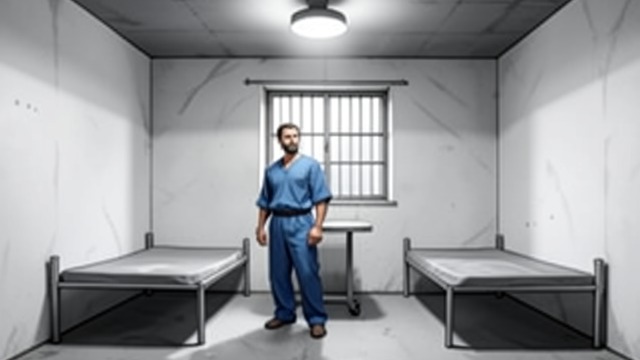
Structure as shelter
A prescribed routine
In prison, Ted learns to follow procedures for meals, cell inspections, conflicts, and interactions with staff. He describes himself as a cog in a machine, spared the burden of making fresh judgments by obeying a handbook that specifies what an inmate should do.
Safety through submission
Routine gives him a way to endure a setting where the wrong decision can invite punishment or violence. Courtesy, clean belongings, and close attention to changing rules do not make him free, but they reduce uncertainty and help him retain a sense of order.
The trouble of freedom
After release, Ted has no institution to tell him how to live. He drinks, neglects the house, and lets his days dissolve. His struggle suggests that a structure built for survival can become difficult to leave behind, even when it has also confined him.
A Handbook for an Uncertain Life
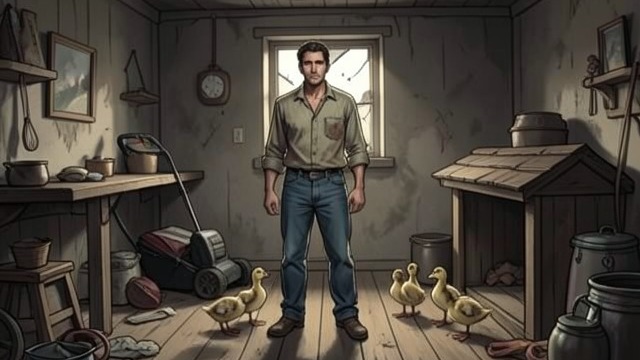
Self-imposed order
Practical beginnings
Ted orders basic furniture, buys food, boards broken windows, and mows the neglected lawn. The work is deliberately ordinary. It gives shape to days that had been organized by prison and then left without direction after his release.
Care enters the routine
The goose Woman and her goslings become part of the daily pattern. Ted feeds them, watches over their shelter, and gradually moves from treating them as an inconvenience to taking responsibility for their safety. Their needs give him tasks that are not organized around his accusation.
A fragile stability
Ted calls the housework a new handbook for his life, but no routine can guarantee protection from the people who target him. The rebuilding matters because it restores a measure of agency, not because it resolves the danger or the trauma that made order feel necessary.
The Body Remembers
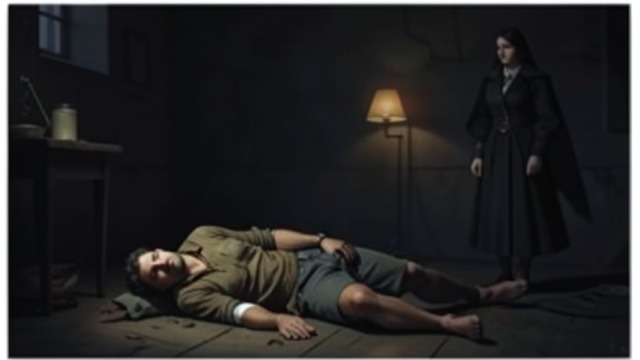
Trauma outside the courtroom
Memories that intrude
Ted’s dreams return him to interrogation, prison visits, and the trial’s humiliating questions. The memories are not under his control: they interrupt sleep, intimacy, and ordinary conversations, making past accusations feel physically present.
Public exposure as a trigger
Being recognized or challenged can bring back the pressure of the case even when Ted is trying to work on Jake Scully’s disappearance. His body reacts before he can reason through a situation, and he fears that visible panic will be interpreted as evidence of guilt.
The limits of endurance
Ted’s injuries after the officers’ assault require discreet treatment from Valerie Gratteur because he cannot safely use an ordinary hospital service. His trauma is compounded by practical threats, showing that recovery is not a private matter when the world around him continues to punish and endanger him.
The Car as a Boundary

A rule with a history
Refusing the passenger seat
Amanda has a rule against riding in cars, which Ted initially treats as an inconvenience. After she becomes drunk at O’Toole’s, he carries her to his vehicle believing he is helping. The car turns a familiar act of assistance into a crisis.
The panic
Amanda wakes, struggles against the seatbelt, and begs to be released. She escapes the vehicle and warns Ted not to touch her. The intensity of her reaction makes clear that her refusal is not playful eccentricity; the enclosed car has activated a fear that she cannot manage through explanation alone.
Revising the rules
Ted has to recognize that his assumptions about safety and care do not apply automatically to Amanda. Her response changes the terms of their partnership: consent and distance are not merely odd rules to tease, but boundaries grounded in experience he does not yet understand.
Rules Fail at the Pier

Order reaches its limit
A controlled arrest becomes chaos
Ted approaches Harrison Scully with commands and a drawn gun, trying to prevent him from entering crocodile-infested water. Harrison ignores instructions, calls to a crocodile, and stands on a concealed trap built into the pier. The situation cannot be contained by the procedures Ted once relied upon.
Action without certainty
Amanda shoots Harrison, then falls through the weakened boards into the water. Ted must choose between controlling the surviving threat and searching for his partner. He abandons the safer, orderly sequence of an arrest and runs into the storm to find her.
Responsibility beyond procedure
The confrontation ends with Ted protecting Harrison after a struggle, even though the boy has murdered his father and threatens others. Ted’s actions show that order remains useful but cannot replace judgment; in the decisive moment, he must respond to vulnerability and danger as they unfold.
During Ted’s 241 days in remand
After Ted decides to rebuild his routine in Crimson Lake
During Ted’s recurring nightmares and panic at Cairns Hospital
After Amanda becomes panicked when Ted drives her from O’Toole’s
During the final confrontation at the pier
