Jake's Unfinished Manuscript
Crimson LakeJake Scully's Unfinished Manuscript is the new book Jake had been writing, left partway through on the desk in his house. Its presence becomes crucial when Ted Conkaffey recognizes that it does not fit Harrison Scully's account of an obsessive fan entering the home: the manuscript is evidence that helps expose the weakness in the story used to lure Jake away.
Identity and Appearance
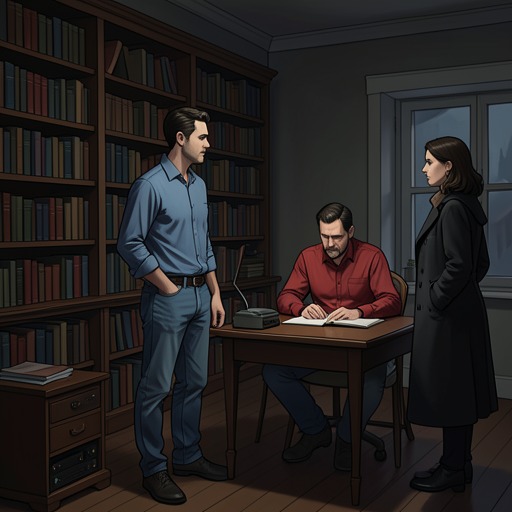
The manuscript is described as a new book that Jake had completed to about the halfway point. It lay on the desk with a thin layer of dust on its first page, suggesting it had been left there rather than recently handled. Ted picks up the stack and waves it, the pages flopping over his hand; the unfinished pages make the work's physical presence impossible to overlook.
Discovery and Recognition
Ted remembers the manuscript only after leaving Amanda Pharrell's office, where the weight of papers had just shifted and flopped from his fingers onto the table. At Jake's house, the sight of the book connects that brief memory to the evidence before him. The recognition is unsettling: Ted trembles as he realizes that, had the manuscript not come back to mind, he might have missed what it revealed.
Role in Exposing the Lure
Harrison has presented the threatening letters as the work of Ormund Smitt, an obsessive and dangerous fan. Ted argues that this account is inconsistent with the manuscript's having been left untouched. If the supposed intruder had really been entering the house and watching Jake and Harrison, Ted reasons, he would have taken the new book, examined it, or referred to it in the letters. The manuscript therefore challenges the idea that Ormund was the person who had access to the house.
That contradiction leads Ted to question Harrison's account of the final message. He argues that there was no genuine call or message from the fan summoning Jake into the night: the last letters threatened Harrison, and Jake would have been worried for his son. In Ted's reconstruction, Harrison woke Jake and claimed to have received a message asking him to meet someone by the river; Jake went in his place, believing he was confronting the person who threatened Harrison. The manuscript's evidentiary force lies in this contrast: it is a silent, unfinished trace of Jake's work, but its being left behind helps Ted identify the deception that drew him away.