
Independence and Its Price
Cyrano de BergeracThis thread traces the play’s praise of self-reliance alongside the poverty, isolation, and vulnerability that Cyrano’s refusal of patronage brings.
increasing Bearing strength in each event
 decreasing
Bearing strength in each eventdecreasingThe Patron’s Invitation
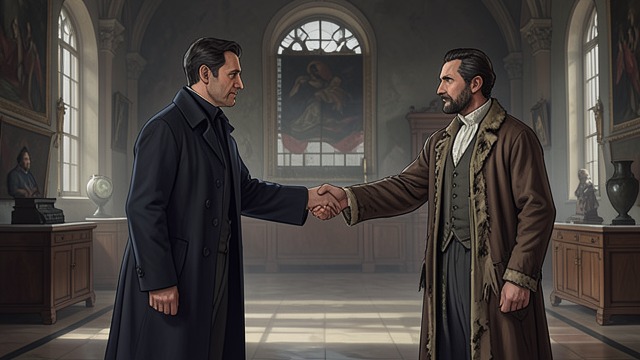
The Patron’s Invitation
Opportunity offered
Count de Guiche offers to recommend Cyrano to a powerful patron, suggesting that his talent can be rewarded through influence.
A refusal of dependence
Cyrano rejects the offer because he will not let another person reshape his work. His choice makes autonomy a deliberate principle rather than an accidental lack of success.
The Solitary Climb

The Solitary Climb
A personal code
Cyrano imagines working without calculating fame, flattering patrons, or cultivating a small court of admirers.
Freedom over ascent
He would rather climb alone than rise through dependence. His speech makes independence inspiring, while Le Bret’s worries foreshadow the material consequences.
Poverty Without Petition
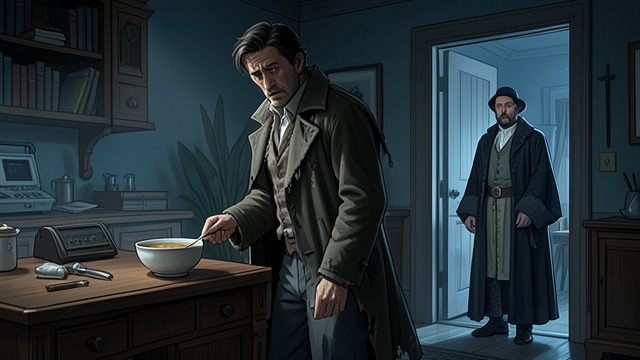
Poverty Without Petition
The cost made visible
Cyrano lives in poverty and refuses assistance, even as cold and hunger become serious threats. His old commitment to independence has not softened with age.
Admiration and concern
De Guiche recognizes the freedom in Cyrano’s life, while Le Bret fears the price. Their differing responses expose the tension between moral autonomy and physical need.
The Uncredited Scene
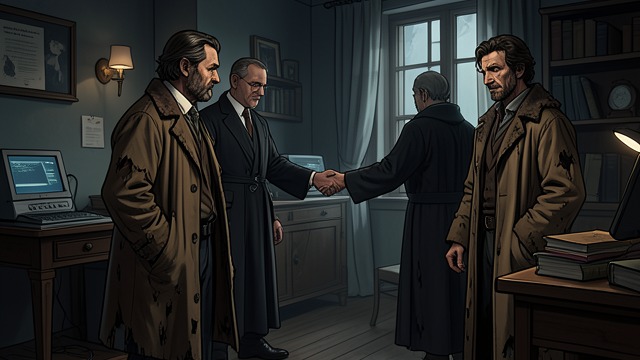
The Uncredited Scene
A work appropriated
Ragueneau tells Cyrano that Moliere has used a scene from his writing. Cyrano does not respond with resentment.
Honor without recognition
He takes comfort in the scene’s success and accepts that he has often served as the forgotten prompter. His independence includes freedom from demanding public credit, but also leaves his work vulnerable to erasure.
Panache as Legacy

Panache as Legacy
A last refusal
Cyrano confronts death without surrendering to compromise, imagining himself still fighting the forces that have opposed him.
A private measure of success
His last word is panache, not fame, rank, or wealth. The play makes personal integrity his legacy even as it shows how little worldly reward that integrity brought.
Act II, after Cyrano’s duel
Act II, during Cyrano’s argument with Le Bret
Fourteen years after Arras
Near Cyrano’s death in Act V
The final moments of the play
