
Cyrano’s Private Character
Cyrano de BergeracThis thread follows Cyrano’s transformation of insecurity into public bravado and his final insistence on meeting death without surrendering his identity.
increasing Bearing strength in each event
 decreasing
Bearing strength in each eventdecreasingPride in the Nose
Pride in the Nose
An anticipated humiliation
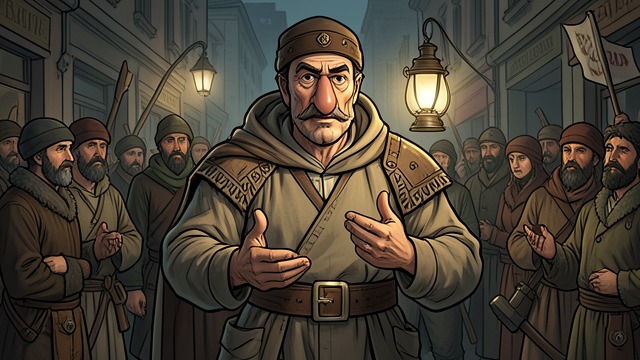
Cyrano expects that his unusually large nose prevents him from being loved. He fears that Roxane may mock his appearance more than he fears any sword wound.
Defense through invention
He turns insults into a performance of wit and insists that his nose signifies courage and generosity. The rhetoric protects him while revealing the wound beneath it.
The Unspoken Confession
The Unspoken Confession
Love concealed
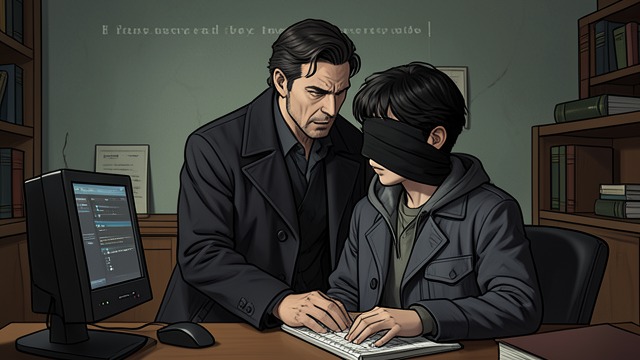
Cyrano learns that Roxane loves Christian and hears her describe the handsome soldier as noble and eloquent. He hides his pain and promises to protect him.
A role accepted
Rather than speak his own claim, Cyrano lends Christian his words. His choice advances Roxane’s happiness while making his own hopes harder to acknowledge.
The Nighttime Voice
The Nighttime Voice
Courage in darkness
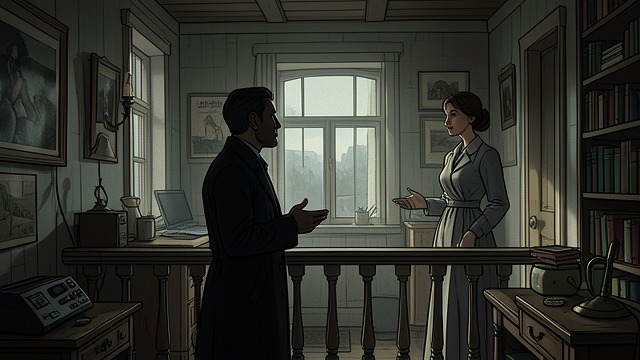
Cyrano speaks to Roxane from beneath her balcony, finding a sincerity that he cannot risk when his face is visible.
Success and self-erasure
Roxane responds to his words but kisses Christian. Cyrano’s emotional victory is inseparable from the fact that another man receives its visible reward.
The Unrevealed Author
The Unrevealed Author
Silence maintained
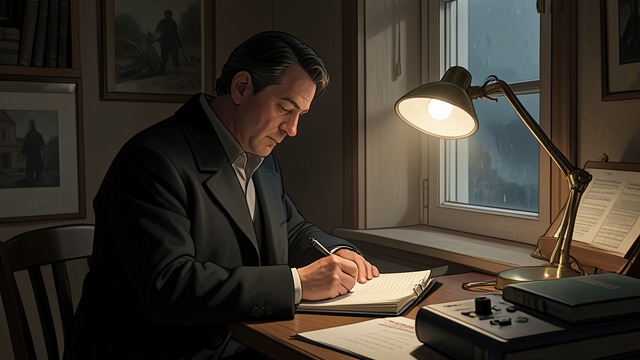
Cyrano writes to Roxane from the siege and continues to protect Christian’s claim, even when Roxane’s letters deepen her love for the voice behind them.
A silence with consequences
Christian’s death leaves Cyrano free to tell the truth, but he preserves Roxane’s memory of her husband instead. The sacrifice postpones recognition for fourteen years.
The Final Panache
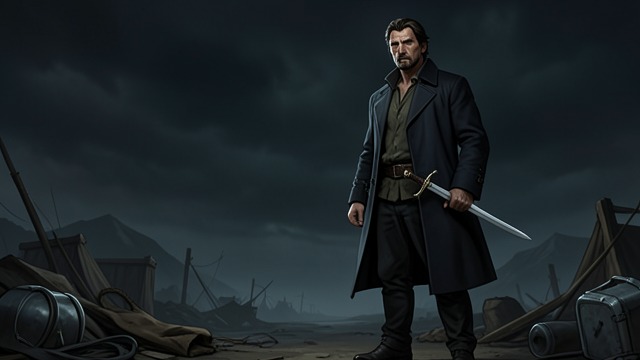
The Final Panache
Death approached upright
Mortally wounded by an ambush, Cyrano refuses to be held up and meets death standing, sword in hand.
Identity preserved
He fights falsehood, compromise, and cowardice in his final imagined battle, then names his panache as the one thing no enemy can take. Death ends his life but not his chosen self-respect.
Act I, after the theater performance
Act II, after Roxane leaves the pastry shop
Act III, during the balcony scene
From Arras to the final years
The end of Act V in the convent garden
