
Appearance and the Inner Self
Cyrano de BergeracThis thread examines how the play sets physical beauty against intelligence, sincerity, and moral character through the choices of Cyrano, Christian, and Roxane.
increasing Bearing strength in each event
 decreasing
Bearing strength in each eventdecreasingThe Nose as Vulnerability

The Nose as Vulnerability
An exposed difference
Cyrano’s nose becomes the obvious target of public mockery, and he anticipates that it will make romantic love impossible.
Defiance as self-definition
He reframes the feature as a sign of a generous and courageous soul. The bravado does not remove his insecurity, but prevents others from defining him by it.
Beauty Without Speech
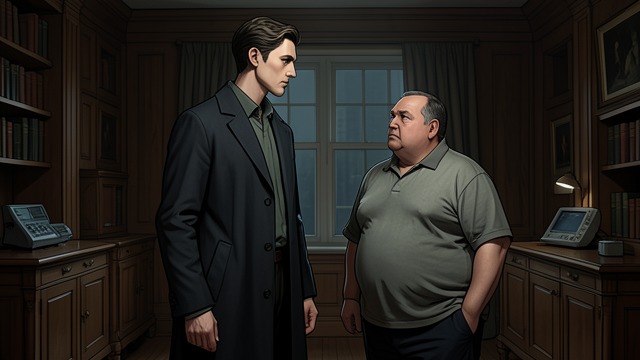
Beauty Without Speech
Christian’s advantage
Christian is handsome enough to attract Roxane, but his inability to speak eloquently makes him fear that appearance alone will not sustain her interest.
A divided ideal
The play gives him what Cyrano lacks physically, while denying him the verbal skill that Roxane values. Neither man alone fits her imagined complete lover.
The Composite Lover
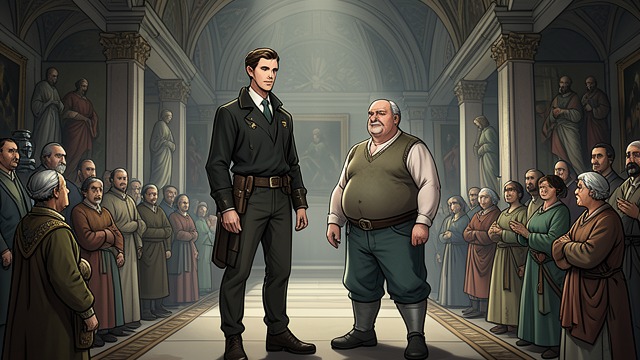
The Composite Lover
Gifts combined
Cyrano proposes that Christian lend him his beauty and accept his wit. Their arrangement creates a suitor whose visible and verbal qualities come from different people.
Identity unsettled
Roxane’s response raises a question the men avoid: whether love belongs to a face, a voice, or the person whose feelings animate the words.
The Soul Chosen
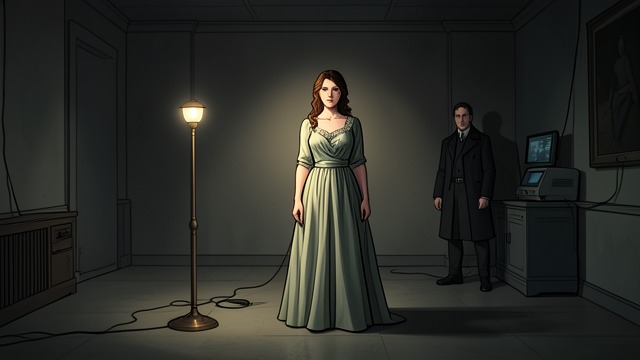
The Soul Chosen
Beauty becomes secondary
Roxane tells Christian that the letters have made her love his soul and that she would remain faithful even if his appearance changed.
The hidden author matters
Her declaration appears to free love from physical appearance, but also reveals that she has been responding to Cyrano’s character without knowing it.
Recognition After Death
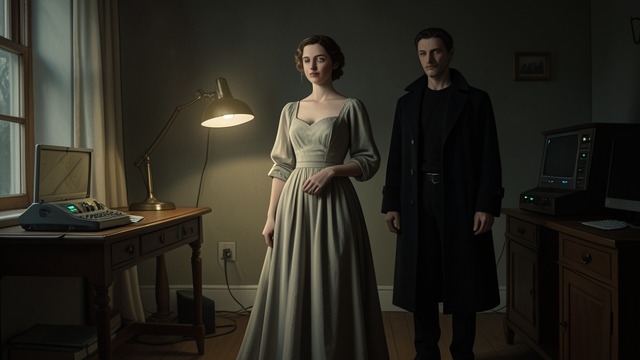
Recognition After Death
Face and voice reconciled
Roxane recognizes the voice behind the letters and finally understands the connection between Cyrano’s inner life and the love she had attributed to Christian.
A costly insight
The truth confirms that character can outlast appearance, but its delay makes the insight painful. The play refuses to turn recognition into an easy romantic reward.
Act I, during Cyrano’s confrontation with the audience
Act II, before the courtship partnership
Act II, when the partnership is formed
At Arras, before the battle
At dusk in the final scene
