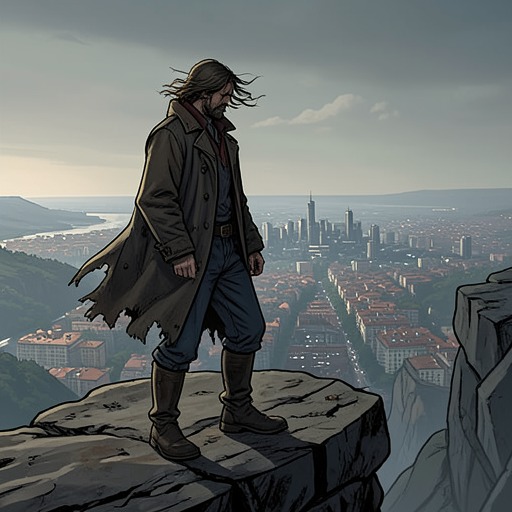
“To be content … mount alone!”
Cyrano de BergeracThe expression To be content … mount alone! distills Cyrano de Bergerac’s ideal of independence: achievement matters less than achieving it without patronage or borrowed credit. In the surrounding speech, the speaker rejects advancement pursued for gain or fame and prefers to keep whatever merit comes his way entirely his own.
Meaning and Form
The idea reaches its sharpest statement in the line “Not to mount high, perchance, but mount alone!” Its balanced contrast makes the choice plain: height and recognition are not the measure of success if they depend on another person’s hand. The qualification “perchance” makes the ambition modest rather than grand; the emphasis falls on the manner of ascent, not its scale.
Context in the Speech
The expression follows a series of refusals and aspirations. The speaker declines social introductions and petitions, then imagines singing, dreaming, laughing, and moving freely, with eyes forward and a fearless voice. He values working without a thought of gain or fame and speaks of realizing a journey to the moon. If glory happens to come, he says, it should bring no tribute to Caesar: the merit should remain his own.
Independence and Its Cost
The image of the parasite’s tendrils gives the choice a pointed edge. The speaker would rather forgo rising high than become entangled in dependence, even when refusing such ties means accepting less recognition. The expression therefore joins modest ambition to uncompromising self-possession: standing alone is not a claim to have reached the summit, but a refusal to let another’s favor define the achievement.