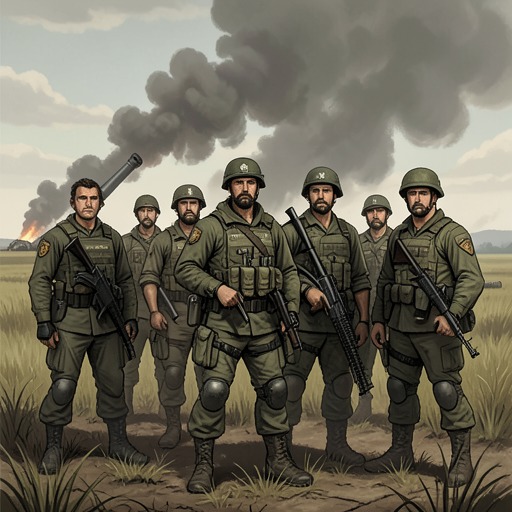
The Gascon Cadets’ Hunger
Cyrano de BergeracThe Gascon Cadets’ Hunger is a recurring physical reality of the siege of Arras, not merely a comic complaint: the cadets are trapped in a besieged camp, sleep is their brief substitute for a meal, and their need becomes a collective cry for food. Their hunger gives the military predicament an immediate bodily measure. The opposing forces and strategic plans matter, but so does the plain fact that the men charged with holding the position have too little to eat.
Hunger in the Besieged Camp
Le Bret calls the situation terrible, and the siege’s circumstances explain why. The French are besieging Arras but are themselves caught in a trap, besieged by the Cardinal Infante of Spain. Carbon names the contradiction directly: it is disgraceful to starve while conducting a siege. The predicament is both tactical and material. The cadets are not simply hungry in an otherwise secure camp; they are hungry in a force whose own position has become precarious.
The play gives that shortage a sharp measure through the cadets’ talk of food. When one cries, “Oh! something! were it but a crust!”, the appeal reduces the need to its bare minimum: not a meal or a feast, but even a fragment of bread. Soon the cadets speak together—“We are dying!”—turning individual appetite into a shared crisis. Their collective voice makes the privation difficult to treat as an incidental inconvenience.
Sleep as a Temporary Reprieve
Carbon tells Le Bret, “He who sleeps, dines!” The line is a grim joke: sleep can suspend awareness of hunger, but it cannot answer it. The distinction matters because the cadets’ apparent rest is not recovery. When the reveille sounds, they move and stretch, and Carbon recognizes that their first cry will reveal the need that sleep had only held at bay. The bugle’s call therefore marks more than the end of rest; it renews the scene’s attention to the body’s unmet demand.
The exchange also sets the cadets’ hunger against the language of military endurance. Sleep is the only available consolation named here, and even Le Bret immediately calls it poor comfort for those who remain awake. The joke offers no actual nourishment. Its wit sharpens the scarcity by showing how little the men can claim as relief.
From Complaint to Mutiny
The cadets’ language escalates from asking for a crust to declaring themselves dying and threatening mutiny. A sportsman announces, “A sparrow!”; immediately afterward, the group, beside itself, says, “’Tis more than can be borne! We will mutiny!” The stage sequence places that announcement beside the outburst, making the sparrow a striking measure of how reduced and volatile the camp’s food situation has become. The threat is voiced collectively, so hunger briefly gathers the cadets into a force that might turn against its own command.
Carbon’s attempt to quiet the scene does not change its underlying condition. He calls softly toward Cyrano’s tent while the cadets’ need remains audible around him. The contrast between the quiet address and the men’s shared cries makes command appear to be managing an immediate crisis without being able to remove its cause. Their complaint is at once a demand for food and a sign of how close privation has brought them to disorder.
Supply, Relief, and the Siege’s Stakes
The wider camp’s supply problem becomes explicit when Count de Guiche reports that the Marshal had made a secret final effort to victual the besieged force the previous evening. The attempt required a good number of troops; as a result, half the army is absent from camp. Relief and danger are thus tied together: an effort to bring provisions has reduced the force immediately available to defend the position. The cadets’ hunger belongs to a military situation in which obtaining supplies carries tactical risk.
When Roxane arrives, she says that the camp air is keen and that she herself is famished, then asks for pasties, cold fricassee, and old wines. Her request introduces food in a notably different register from the cadets’ plea for a crust: the menu is specific and abundant in its naming. The scene places the hardship of the camp beside the prospect of a substantial spread, without erasing the earlier shortage. Count de Guiche also says he has one cannon left and has had it carried to a corner for the men to use if necessary. That detail returns the scene to the siege’s material stakes: the camp’s vulnerability is expressed both in its need for provisions and in the limited means prepared for its defense.
Dramatic Significance
The hunger makes the siege legible through ordinary bodily needs. The cadets’ declarations, the mock consolation of sleep, and the news of a risky effort to bring provisions all show how military endurance depends on food as well as courage. The tonal shifts—from Carbon’s joke to the cadets’ shared cry, then to the promise of an elaborate meal—do not make the shortage disappear. Instead, they show its unevenness and instability: need can be joked about, shouted, or momentarily answered, while the besieged camp remains exposed to the same logistical and military pressures.