
Addiction, Honesty, and Self-Deception
Daisy Jones & the SixThe novel traces how characters rationalize harmful behavior, gradually lose the ability to control it, and sometimes begin recovery by telling the truth.
increasing Bearing strength in each event
 decreasing
Bearing strength in each eventdecreasingThe First Convenient Explanation

The First Convenient Explanation
Use looks ordinary
Daisy Jones describes diet pills and cocaine as things everyone takes to stay thin, awake, or sociable. The surrounding culture gives her convenient explanations for behavior that is already becoming habitual.
Naming arrives late
Because she does not initially experience the drugs as an addiction, Daisy cannot see how much they shape her routines. The gap between use and recognition becomes one of the story’s central dangers.
Billy Blurs His Lines
Billy Blurs His Lines
A rule crossed
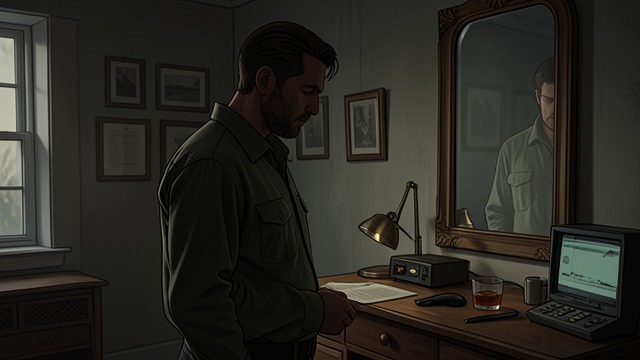
Billy Dunne tells himself that one night of drinking and infidelity will not destroy his marriage. After the first betrayal, he discovers that the world does not instantly end, making repetition easier.
Self-deception takes over
Billy uses a deadline before the baby’s birth as permission to continue. He knows the logic is false, yet the ability to lie to himself lets addiction deepen.
Truth at the Counter

Truth at the Counter
Questions without evasion
At The Apple Pan, Billy Dunne asks Daisy Jones how many pills she takes. She answers that she does not know, admitting a loss of control without dressing it up.
Two forms of dependence
Daisy asks why Billy writes so often about Camila Dunne. He explains that he depends on Camila’s belief in him to keep becoming a better man, revealing how recovery can rely on chosen commitments.
A Plan Deferred

A Plan Deferred
Readiness appears
Daisy Jones tells Billy Dunne she wants to get clean and asks him to help her understand rehab. For the first time, she names a desire that conflicts with her established routine.
A loss becomes an excuse
Teddy Price’s sudden death gives Daisy a reason to abandon treatment. The episode shows how sincere intention can be overtaken by the stories addiction supplies to avoid change.
Recovery as Repeated Action

Recovery as Repeated Action
A choice made personally
After leaving Chicago, Daisy Jones enters rehab with Simone Jackson’s help and becomes sober on July 17, 1979. Her recovery begins when she accepts assistance and takes responsibility for continuing it.
No one else can choose
The story sets Daisy’s path beside Billy Dunne’s long sobriety and the friends who tried to help them. Care can open a door, but recovery cannot be performed by another person.
Daisy’s teenage years
1973, during the first major tour
the first day Daisy and Billy write together
July 1979, after Saturday Night Live
July 17, 1979 and the following years
