
The Album Cover and the Making of an Icon
Daisy Jones & the SixThe Aurora cover turns a brief, unguarded exchange between Daisy Jones and Billy Dunne into a lasting image of sex, fame, and self-possession.
increasing Bearing strength in each event
 decreasing
Bearing strength in each eventdecreasingThe Photographer’s Brief
The Photographer’s Brief
A band image is planned
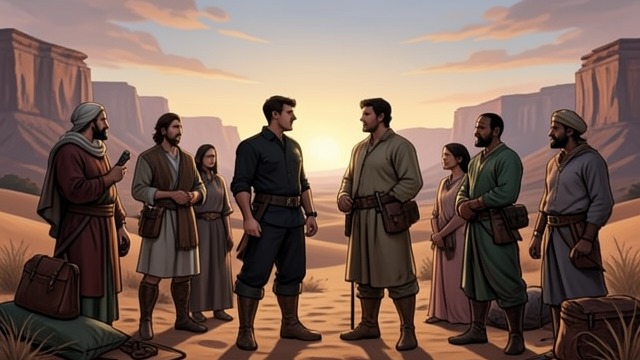
Rod Reyes hires Freddie Mendoza to photograph the group, asking for Billy Dunne and Daisy Jones to be central. The music suggests a desert setting and a dawn-like atmosphere.
The frame reveals hierarchy
The assignment already assumes that two members will carry the image. The cover shoot therefore reflects the band’s commercial reality before anyone steps in front of the camera.
Daisy Chooses Her Clothes
Daisy Chooses Her Clothes
Disagreement over image
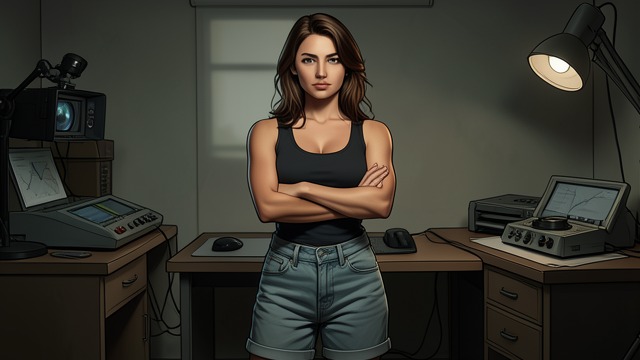
Daisy Jones arrives in a thin tank top and cutoffs, while Karen Karen worries the image will focus on Daisy’s body rather than her musicianship. Daisy refuses to take responsibility for other people’s reactions.
Agency remains hers
Daisy’s clothing is not an accidental permission granted by the camera. She insists that she decides what to wear, making the later image part of her self-presentation rather than a photographer’s command.
The Look Across the Road
The Look Across the Road
A moment escapes direction
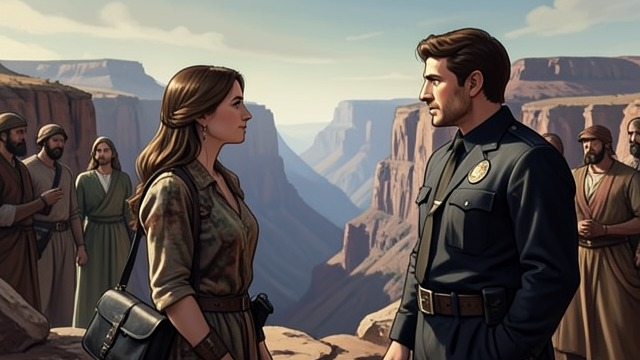
Freddie Mendoza photographs the group near a canyon guardrail. Daisy Jones looks toward Billy Dunne, and Billy turns to meet her gaze for a brief moment.
The image catches tension
The photograph records an exchange that neither performer fully controls. Their glance communicates a relationship the band has not resolved, while the other members remain part of the frame but not its emotional center.
The Torso Photograph
The Torso Photograph
Absence becomes expressive
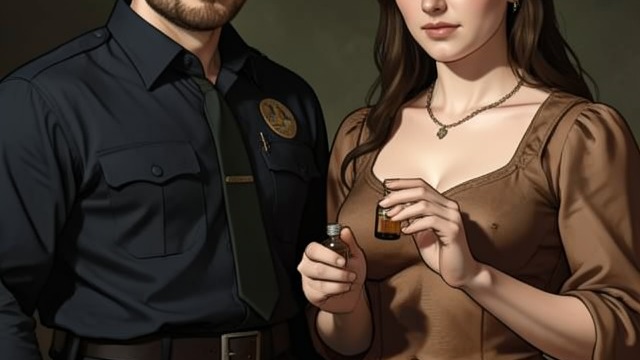
Freddie photographs Billy’s denim-clad torso beside Daisy’s exposed chest, leaving their faces outside the image. The space between them feels charged, and a vial in Daisy’s pocket adds an iconography of sex and drugs.
A culture reads the frame
The picture becomes a shorthand for California rock culture, but its meaning exceeds provocation. Viewers can see Daisy’s body without reading it as offered to them, an interpretation that makes the cover formative for young women.
An Image Outlives the Band
An Image Outlives the Band
A cover becomes cultural memory
The Aurora cover helps define Daisy Jones & The Six for listeners who have not yet heard the album. Its mixture of intimacy, swagger, and danger becomes inseparable from the group’s story.
The image keeps its ambiguity
The band’s split never settles what the photographed glance meant. The cover lasts precisely because it preserves a moment of connection without explaining or resolving it.
late 1977, before Aurora’s release
the morning of the cover shoot
during the first half of the shoot
later the same morning
June 1978 and the decades afterward
