
The Rise of Daisy Jones & The Six
Daisy Jones & the SixThe commercial partnership grows from one successful duet into a phenomenon powered by creative chemistry, press attention, and a stadium-scale tour.
increasing Bearing strength in each event
 decreasing
Bearing strength in each eventdecreasingHoneycomb Finds Its Sound
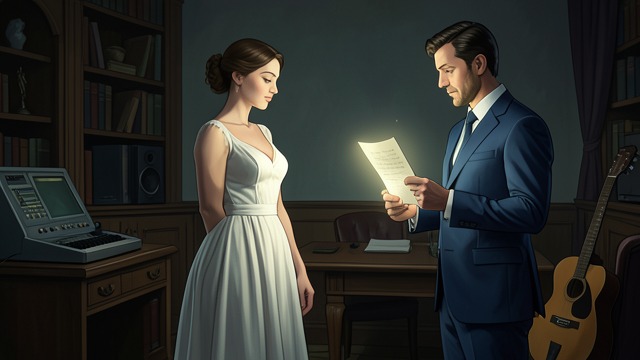
Honeycomb Finds Its Sound
An unexpected duet
Teddy Price proposes that Daisy Jones sing on Billy Dunne’s Honeycomb. Daisy interprets the lyrics as uncertain rather than guaranteed, changing the song’s emotional balance.
A hit takes shape
Billy dislikes the change but the duet’s chemistry proves undeniable. The song becomes the clearest sign that the group can reach beyond its rock audience.
The Whisky Performance
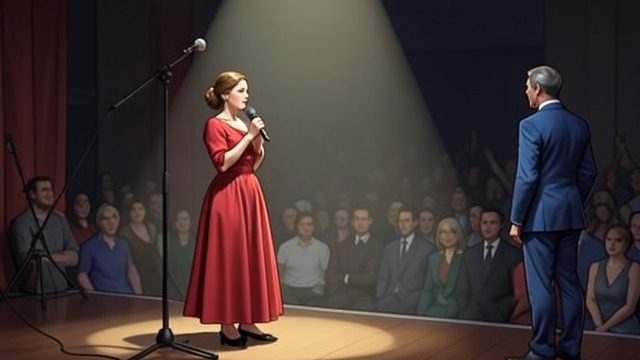
The Whisky Performance
A live test
Daisy Jones arrives at a Six show without an invitation. Billy Dunne brings her onstage to sing Honeycomb, and the unrehearsed performance electrifies the audience.
A commercial turning point
The response makes Daisy’s place in the act difficult to deny. Her voice and Billy’s showmanship create a live combination stronger than either their label identities alone suggested.
A Magazine Makes Seven
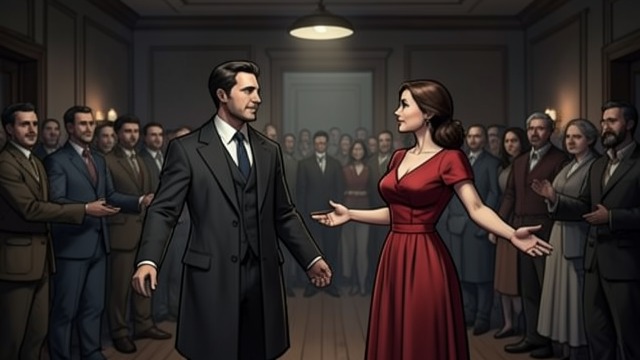
A Magazine Makes Seven
The headline names the chemistry
Jonah Berg’s Rolling Stone article argues that The Six should become seven. Billy Dunne resents the public suggestion, while other members recognize Daisy Jones’s importance to the group.
An official invitation
After talking with Teddy Price, Billy agrees Daisy should join for an album. The public story becomes a formal partnership, and the act takes the name Daisy Jones & The Six.
Aurora Becomes an Event
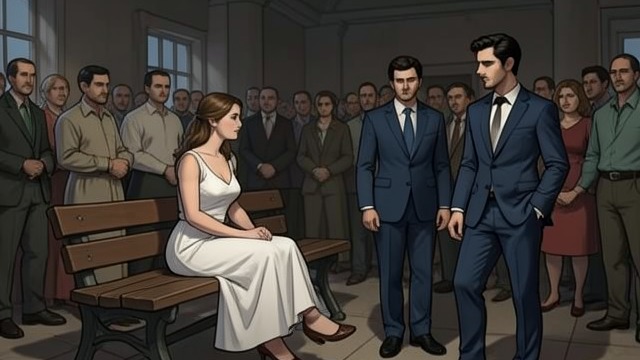
Aurora Becomes an Event
Anticipation meets the record
Aurora arrives after a high-profile Rolling Stone cover story and the release of the hit single Turn It Off. Listeners hear the full album as the promised meeting of Billy Dunne and Daisy Jones.
Intimacy at scale
The album combines arena-sized sound with lyrics that feel private. Its layered emotional story draws listeners into the tension between the two singers and sends sales soaring.
Stadium Fame

Stadium Fame
The audience grows
Aurora sells rapidly, and Daisy Jones & The Six move from clubs to sold-out stadiums. Fans arrive not only for songs but to see whether the singers’ public tension is real.
Success magnifies strain
Separate buses, elaborate riders, and constant attention reflect the scale of the act. The same fascination that sells tickets also makes private boundaries harder to keep.
1975, during the SevenEightNine sessions
1976, during the band’s Los Angeles residency
late 1976, after the Numbers Tour
June 13, 1978
summer 1978
