
Visibility, Gender, and Daisy’s Self-Possession
Daisy Jones & the SixDaisy Jones’s public image is repeatedly shaped by men and the industry, while she insists on controlling her body, work, and meaning.
increasing Bearing strength in each event
 decreasing
Bearing strength in each eventdecreasingA Child Painted by Others
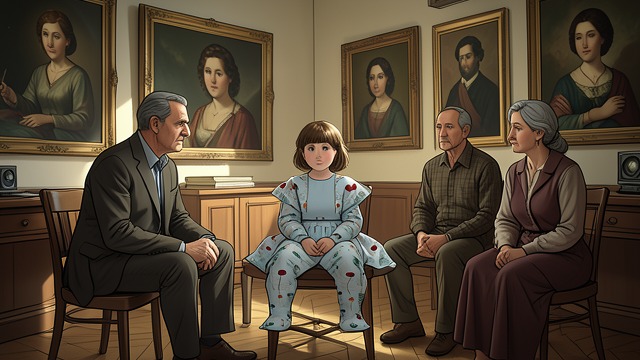
A Child Painted by Others
Seen as an image
Artists visiting Daisy Jones’s home paint and photograph her because of her beauty. Her father makes no artwork of her, and her parents remain largely indifferent to her inner life.
Beauty without attention
Daisy is visible as a subject but not recognized as a person. The distinction explains why later attention from men feels powerful even when it does not provide care.
The Groupie’s Terms

The Groupie’s Terms
Learning the scene
As a teenager, Daisy Jones tries to appear older and gain access to clubs. Men offer attention, but her early sexual experiences teach her that desire can be exploitative and one-sided.
A later refusal
Daisy eventually understands that pleasing men has been a way to remain near power. Her insistence that she is not a muse grows from recognizing the cost of being valued only for what others can take.
The Label’s Pretty Package
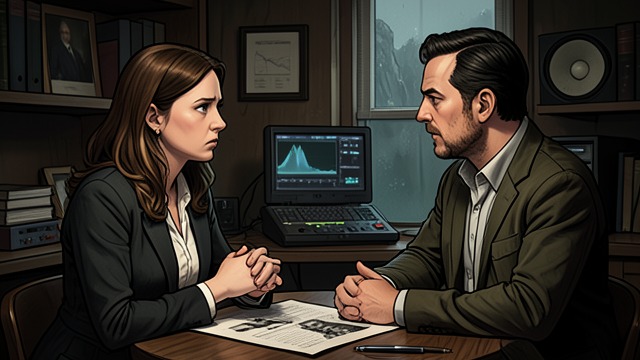
The Label’s Pretty Package
A prescribed identity
Runner Records wants Daisy Jones to sing familiar ballads rather than her own unfinished songs. She experiences the plan as an attempt to turn her into a marketable puppet.
Compromise without surrender
Daisy records First while preserving some of her own rough style. She learns that playing a commercial game need not mean giving up all control over how she sounds.
A Body on Her Own Terms

A Body on Her Own Terms
Conflict over presentation
Karen Karen worries that Daisy Jones’s revealing clothes will make the album cover about her body rather than her music. Daisy refuses to dress for other people’s comfort or credibility tests.
The image changes meaning
The resulting cover is read by some young women as an image of self-possession rather than availability. Daisy’s body is visible, but the image’s power comes from her refusal to present herself as belonging to the viewer.
A Life Beyond the Image
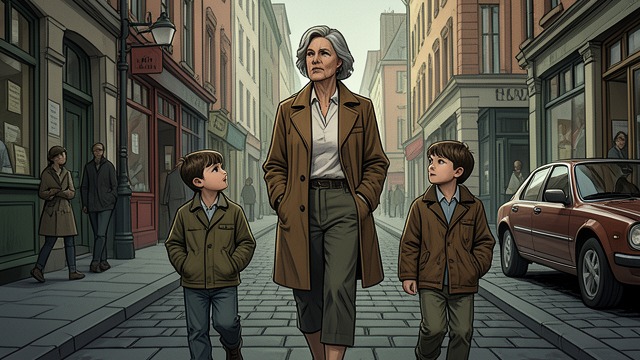
A Life Beyond the Image
Fame no longer defines her
Daisy Jones leaves the music business after getting sober. She later writes books, travels, adopts sons, and works through the Wild Flower Initiative.
Self-authorship completed
The life she builds is not a correction of her beauty or talent but a release from being reduced to them. Daisy’s later work follows the same principle as her early insistence on authorship: she chooses what her life means.
Daisy’s childhood in Hollywood Hills
late 1960s on the Sunset Strip
1974, during the First sessions
1977, during the Aurora cover shoot
after July 1979
