Larrabee Sound
Daisy Jones & the SixLarrabee Sound is the recording studio where Daisy Jones’s refusal to conform became audible and consequential. Asked to make a demo there, she rejected the smooth, sweet delivery Hank Allen wanted and left rather than sing in a style that did not feel like her own. The episode gives the location its clearest narrative significance: it is where a routine recording request became a test of who would control Daisy’s voice and material.
Daisy’s demo and departure
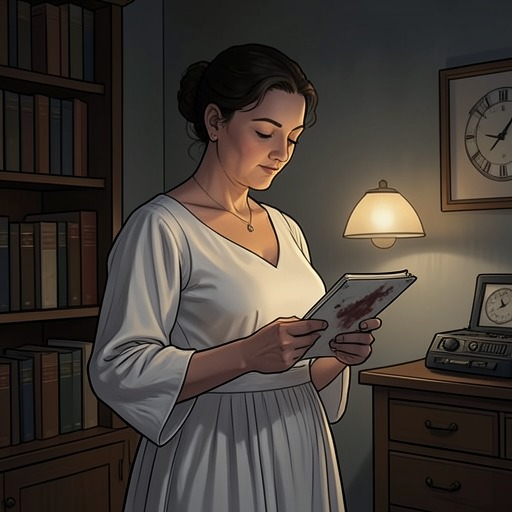
Daisy went to Larrabee Sound to record a demo at Hank Allen’s request. She thought the song might have been by Jackson Browne. Hank wanted a sweet vocal, but Daisy sang it in a rougher, breathier style that felt more natural to her. When he asked for another take, suggesting a smoother delivery and a key change upward, she picked up her purse and left.
Her departure was more than a disagreement over a single take. Daisy later made clear that songwriting mattered more to her than singing for its own sake: she did not want to be a performer delivering other people’s words, but to sing her own material. At Larrabee Sound, that preference became a practical boundary. Rather than bargain over the requested sound, she ended the session.
The immediate consequence
Simone Jackson recalled that Daisy was signed to Runner Records right after the demo incident. The contrast sharpens the episode’s meaning: Daisy walked out of a session where she was being asked to alter her delivery, yet the refusal did not prevent her from entering the recording business. Her subsequent signing did not change the aim she had already stated—writing and singing her own songs.
The studio therefore marks a threshold, not a completed career. Daisy arrived to make a demo under someone else’s direction; she left without giving Hank the take he wanted. The account connects that act of refusal with her insistence on creative authorship, while keeping the immediate fact clear: she walked out, and Simone places the record deal soon afterward.
Recording rooms and the making of a sound
Other studio accounts in the book show how recording decisions could shape the relationships heard in a song, though those passages do not identify their studios as Larrabee Sound. When Daisy’s voice was later cut together with Billy Dunne’s, producer Teddy Price wanted to reduce the arrangement around them. Artie Snyder described softening the drums, bringing up the keys, and trimming Graham Dunne’s more distracting flourishes. The resulting version put the singers’ voices at the center, changing the song’s balance and character.
A later account of recording the album Aurora makes the labor behind that balance tangible. Artie Snyder described microphones and instruments repeatedly repositioned; Billy and Daisy were in separate isolation booths but could still see the other band members. The early takes sounded tinny to Artie, who was concentrating on levels and microphones before he could attend to anything else. These details do not establish that the sessions took place at Larrabee Sound, but they illuminate the broader studio process surrounding the band’s recorded work: placement, sound levels, and arrangement all helped determine what the listener would hear.
From performance to constructed recording
The album’s later mixing likewise depended on deliberate choices rather than simply preserving a live performance. Billy and Teddy Price spent weeks refining tracks, adding or rerecording instruments and filling out the arrangements. Artie Snyder recalled added percussion—including cowbells, shakers, claves, and scrapers—and even the recorded sound of Billy’s fist striking the arm of a chair. On Aurora, Billy slowed the song, thinned out Karen Karen’s keys, and raised Graham’s part in the mix.
Set beside Daisy’s abrupt exit from her demo session, these production accounts show two different stakes of studio work. A requested vocal style could feel to Daisy like surrendering authorship; elsewhere, careful arrangement and mixing could make a song more layered and shape the balance among performers. Larrabee Sound’s particular place in the history remains anchored in the first of those stakes: Daisy’s refusal to let a recording session turn her into a singer of someone else’s choices.