
The Album Called Aurora
Daisy Jones & the SixThe making of Aurora traces how a difficult collaboration produces the band’s defining record while the musicians disagree over ownership, sound, and emotional meaning.
increasing Bearing strength in each event
 decreasing
Bearing strength in each eventdecreasingSeven People at Heider

Seven People at Heider
A changed process
The group enters Wally Heider's Studio 3 with Daisy Jones bringing her notebook and Billy Dunne hiding songs he has already written. Neither arrives with an uncomplicated idea of equal collaboration.
A shared starting point
Billy offers Aurora as the album’s anchor, and Teddy Price sends him and Daisy to write together. The rest of the band begins shaping arrangements, giving each member room to contribute.
The First Co-Written Song
The First Co-Written Song
Conflict becomes material
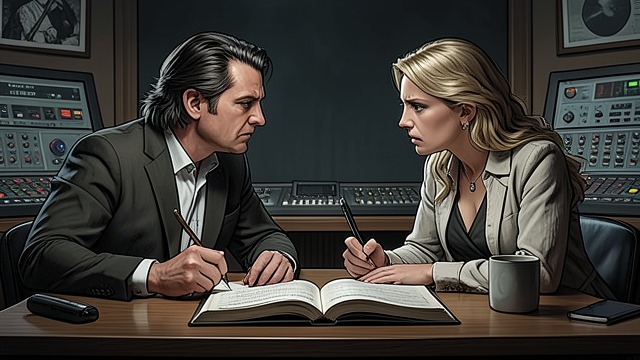
Daisy Jones rejects Billy Dunne’s plan to use his existing songs as the album’s backbone. They argue over whether his work is repetitive and whether hers is unfinished.
An agreement to begin again
Daisy insists they scrap their songs and start from nothing, except for Aurora. Billy accepts the challenge, recognizing her commitment to the work and their capacity to improve each other’s ideas.
Aurora’s New Arrangement
Aurora’s New Arrangement
The band reshapes the song
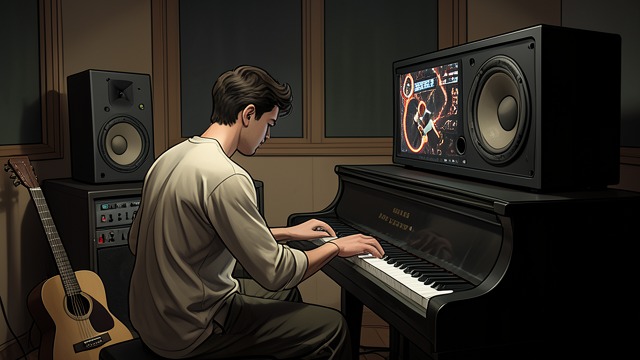
Karen Karen, Eddie Loving, Pete Loving, and Warren Rhodes develop a fuller, more propulsive arrangement. Billy Dunne initially finds it unfamiliar and wants to correct it immediately.
A lesson in listening
Teddy Price persuades Billy to let the musicians record their version before refining it. Billy’s willingness to trust them allows the song to become more expansive than his first conception.
Impossible Woman’s Breakthrough
Impossible Woman’s Breakthrough
A performance stalls
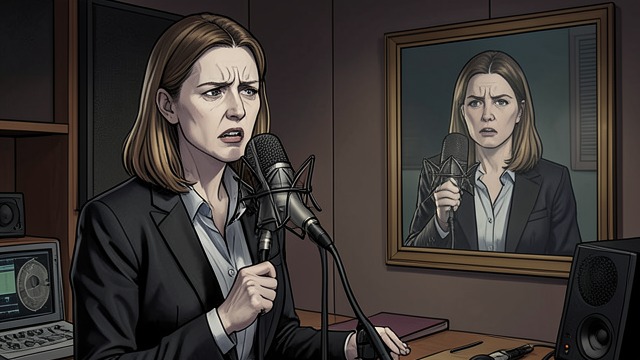
Daisy Jones struggles to sing Impossible Woman as a restrained, wistful piece and leaves the studio frustrated. Billy Dunne follows her home, insisting that she return and try again.
Permission to risk failure
Billy asks Daisy to sing with force, allowing her voice to crack and sound rough. On a later take, she finds a raw intensity that turns the song into a defining performance.
A Finished Album, Reclaimed
A Finished Album, Reclaimed
The record changes in absence
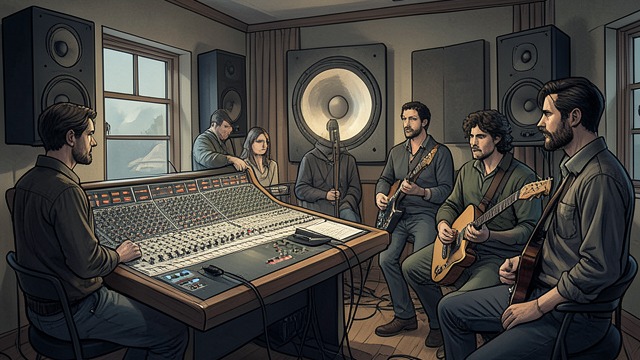
After the band members finish their tracks, Billy Dunne and Teddy Price continue mixing and rerecording elements. They reshape songs, including Eddie Loving’s guitar parts and Karen Karen’s keys.
A success with a cost
The final album sounds cohesive and ambitious, but several musicians feel excluded from decisions. Aurora’s artistic triumph therefore carries an unresolved question about whose work the finished record represents.
August 1977
August 1977, at Teddy Price's pool house
early in the recording sessions
during the recording sessions, after Daisy misses a take
early 1978, during final mixing
