The Six Relocates to Los Angeles
Daisy Jones & the SixThe Six Relocates to Los Angeles marked the band’s shift from touring regional gigs to pursuing a career in L.A., where Rod Reyes could use his industry contacts to secure larger bookings. Recalled as taking place around 1972, the move was both a practical response to where the music business seemed to be happening and a personal rupture: Billy Dunne asked Camila to come, she stayed behind, and the band headed west without her.
Reasons for the Move
Before leaving, The Six had already built experience on the road. Eddie Loving recalled Rod getting them gigs across the East Coast, from Florida to Canada. The move was not a sudden escape from playing; it was a decision to take the band’s work somewhere its prospects seemed greater. Rod said that his real contacts were by then in L.A. and proposed that they go west. Eddie’s impression was that California was where exciting music was happening, while Billy described an inner need to make the journey. Warren Rhodes was ready to leave, too, and urged the group to get in the van.
The recollections place the choice in a period when the band still understood itself in terms of potential. The prospect of L.A. offered a destination for that potential, but not a guarantee of success. Rod’s contacts mattered because the move could convert ambition into actual bookings; the band was not simply relocating for its own sake. The decision also depended on a shared willingness to leave their familiar circuit and try to build a future somewhere else.
The Departure and Camila’s Decision
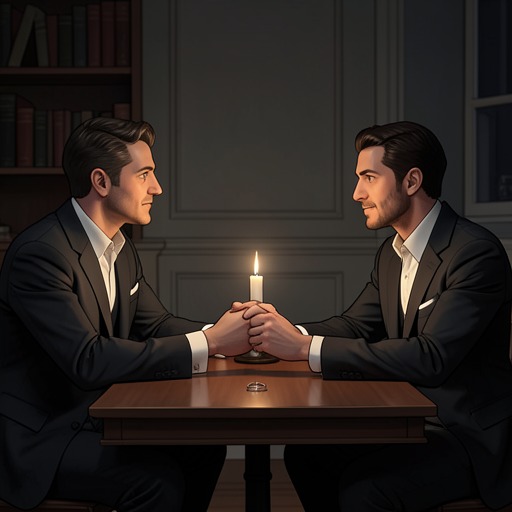
Billy went to Camila’s parents’ house and asked her to come with the band. She declined. Billy later recalled that he could not stay, and Camila understood that he had gone on to pursue his dream. Her recollection conveys the cost of that choice: she felt ill without him, regretted her decision each day, and woke in tears. Her mother encouraged her to track him down and reverse it, but Camila felt that Billy had already gone too far ahead for her to take back her refusal.
The band’s departure also meant leaving family behind. Graham Dunne remembered packing up and saying goodbye to their mother, who had married Dave, the mailman. Graham continued to call him the mailman, explaining that he had delivered mail at their mother’s office. The group then got into the van. Karen Karen recalled that they played gigs all along the route from Pennsylvania to California, so the journey unfolded as an extended working trip rather than a single leap from one home to another.
For Billy, leaving Camila immediately altered how he understood his freedom. He remembered thinking that, if she had chosen not to join him, he would be single. On the road, that outlook became part of a wider change in his conduct. The move thus carried a private consequence alongside its professional promise: the relationship was left behind at the same time that the band entered a more unsettled, permissive environment.
The Cross-Country Journey
Graham said that the longer the band remained on the road, the wilder they became, and described Billy as someone who liked attention from women. Rod’s concern, however, was not primarily the attention Billy received. He recalled that Billy would become so intoxicated after shows that Rod sometimes had to wake him the following afternoon by slapping him across the face. The detail gives the journey a cost beyond fatigue or distance: the push toward a new career coincided with behavior that left Billy incapacitated well into the next day.
The accounts do not present the trip as uncomplicated liberation. Eddie remembered L.A. as full of people who loved music and liked to party, with inexpensive drugs and attractive women. That atmosphere met a band already growing wilder on the road, while Billy’s separation from Camila gave his sense of being single a particular emotional charge. The journey carried the group toward opportunity, but its growing excess also exposed the risks of the life they were choosing.
Arrival and New Opportunities
When The Six reached L.A., Rod arranged a few rooms for them at the Continental Hyatt House. Warren remembered Rod calling in favors, after which the band began playing larger gigs. An account from Greg McGuinness, a former concierge at the hotel, provides a counterpoint to the band’s recollections: he did not remember The Six arriving amid the many bands staying there, though he recalled meeting Billy and Warren later. Their arrival was one among many in a city crowded with musicians, even as Rod’s connections helped the group gain a more prominent place in its local circuit.
The band played shows around Hollywood, including at the Whisky a Go Go, the Roxy, and P.J.’s. For Billy, the move also gave the separation from Camila a musical form. He wrote “Farther from You,” a song about missing her and feeling distant from her. Its subject makes the personal consequence of the relocation audible: the band had traveled west, but the distance Billy measured most keenly was between himself and the person who had not come.
Consequences and Significance
The move established the conditions for The Six’s later life in L.A. Rod’s favors brought larger gigs, and the band’s appearances at local venues became part of the setting in which its members’ careers and relationships would develop. When Daisy Jones later appeared at a Whisky a Go Go performance and Billy invited her to sing “Honeycomb,” the venue connected the band’s local presence to a new musical partnership. The relocation did not itself determine that encounter, but it placed The Six in the L.A. circuit where it could happen.
The move’s defining tension is between forward motion and separation. For the band, heading west meant access to a wider professional network and larger stages. For Billy and Camila, it meant a choice that neither experienced as emotionally simple: he pursued the future he believed he needed, while she remained behind and regretted it. The road brought the musicians together in pursuit of work, but it also made their private costs harder to ignore.