
David’s Resistance to and Reconciliation with the Past
David CopperfieldDavid repeatedly revisits childhood places and memories, gradually turning pain into understanding rather than allowing the past to govern his choices.
increasing Bearing strength in each event
 decreasing
Bearing strength in each eventdecreasingThe Father’s Grave
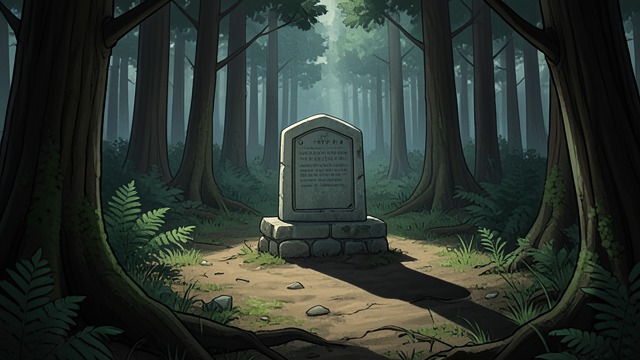
The Father’s Grave
A child’s imagined companionship
David remembers his father’s grave from the warmth of the family home, imagining the lonely stone shut out in the dark.
This early image connects domestic love with loss. The adult narrator returns to it as a measure of how a child makes meaning before he can understand death.
Reading Against Despair
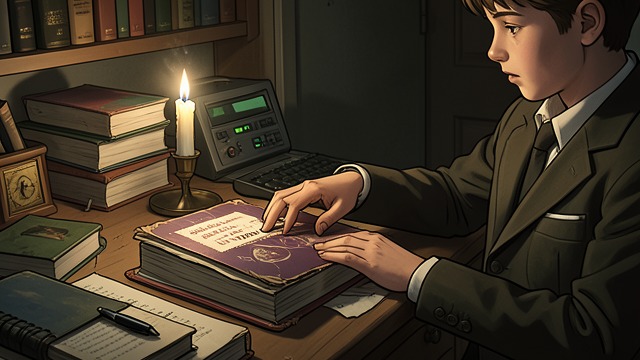
Reading Against Despair
Imagination as refuge
At Murdstone and Grinby’s, David’s old books preserve his sense of possibility. He turns workrooms and streets into settings for the stories he remembers.
This does not remove the hardship, but it helps him endure it. Retrospection later shows how imagination became a tool for observing and interpreting life.
The Journey to Dover
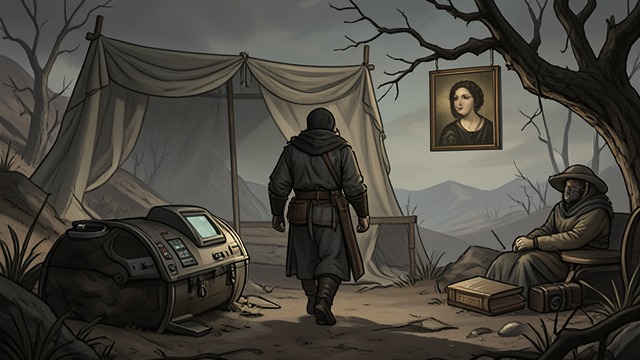
The Journey to Dover
Fear sustained by memory
As David travels without money or shelter, he draws courage from an imagined image of his mother. The memory accompanies him through hunger, violence, and exhaustion.
The journey makes memory active rather than merely nostalgic. It helps him move toward a person who may choose to protect him.
The Empty House
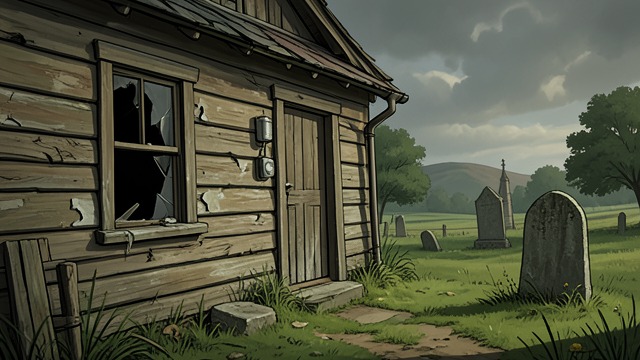
The Empty House
Memory and change
David revisits Blunderstone and finds the old home altered, partly closed, and inhabited by a stranger. The churchyard and his parents’ grave remain more stable than the house.
The visit shows that childhood places cannot be restored by returning to them. Memory keeps their emotional power even as their physical forms change.
A Past Reinterpreted
A Past Reinterpreted
Understanding grows later
David’s adult perspective revisits events he could not understand as a child: his mother’s fear, Agnes’s restraint, and Steerforth’s influence.
The narrative does not claim that memory is perfect. Instead, reflection lets David revise his judgments while preserving the emotional truth of what he experienced.
During David’s earliest memories
During the warehouse years
During David’s six-day flight
During David’s first later return to Blunderstone
After David’s return from abroad
