
The Two Faces of Penitence
David CopperfieldThe novel contrasts genuine remorse and repair with Heep’s and Littimer’s calculated performances of repentance in prison.
increasing Bearing strength in each event
 decreasing
Bearing strength in each eventdecreasingA Prison Built for Reform
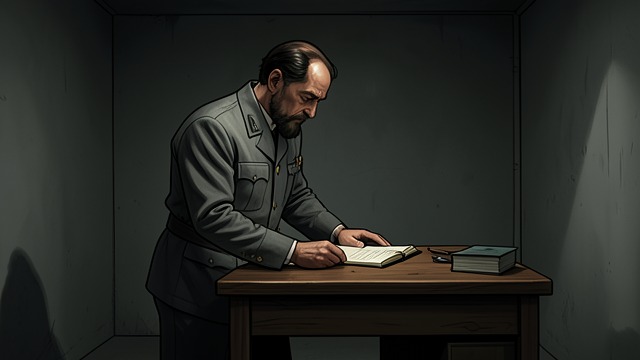
A Prison Built for Reform
Discipline as doctrine
Creakle presides over a prison designed around solitary confinement and the production of remorse. Visitors are shown a system that claims to reform by isolating offenders.
David’s earlier memories of Creakle make the institution’s authority suspect. The prison repeats the logic of punishment he knew at school.
Heep’s Pious Display

Heep’s Pious Display
The audience is part of the strategy
Heep presents himself as humble, grateful, and spiritually improved before the magistrates. He uses the prison’s expectations to seek sympathy and turn David into an apparent persecutor.
His performance is not repentance. The audience’s admiration reveals how institutions can reward the appearance of reform over a record of harm.
Littimer’s Respectable Repentance

Littimer’s Respectable Repentance
Familiar manners, unchanged purpose
Littimer calmly blames his former employers and describes himself as converted, while requesting consideration from visitors. His polished manner echoes the respectability he used outside prison.
David recognizes the difference between a persuasive story and genuine moral change. Littimer’s statements protect his image without repairing the harm he caused.
The Evidence of Their Crimes
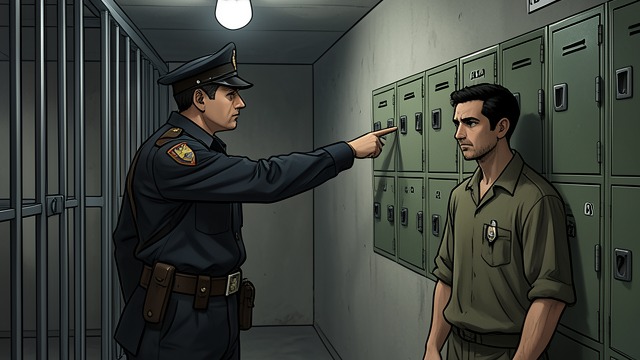
The Evidence of Their Crimes
Conduct outlasts claims
The warder explains that Heep has been convicted of fraud and conspiracy, while Littimer has been convicted of theft from a young employer.
The facts undercut the prisoners’ accounts of moral renewal. David understands that the institution’s spectacle has not changed who they are.
A Public Doubt
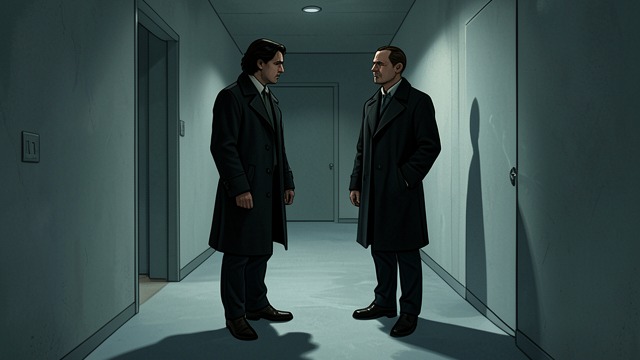
A Public Doubt
Reform measured against reality
David questions a system that takes polished penitents as proof of success while confining people in isolation. Traddles shares his scepticism.
Their visit extends the novel’s criticism of respectable institutions that confuse obedience, performance, and virtue. The question remains whether punishment can repair character.
After David returns to London
During the prison inspection
During the same prison visit
After the prisoners speak to visitors
As David and Traddles leave the prison
