
Debt, Law, and Unequal Power
David CopperfieldThe novel contrasts debtors’ vulnerability with the costly, self-protective institutions that govern legal and commercial life.
increasing Bearing strength in each event
 decreasing
Bearing strength in each eventdecreasingDavid’s Wage and Hunger
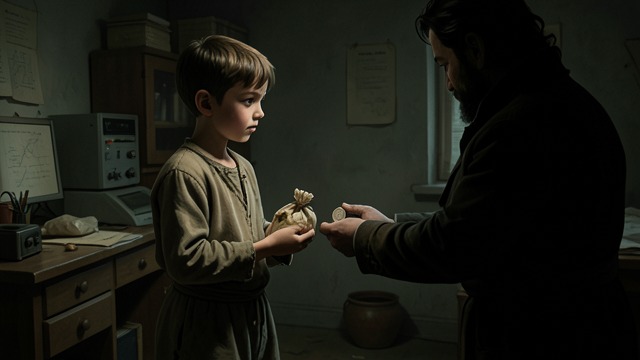
David’s Wage and Hunger
A child in the labour market
David earns a small weekly wage but must provide much of his own food and support. His childhood labour is accepted as ordinary business practice.
The experience exposes how poverty and age leave a child without protection. His later success does not erase the injustice of this beginning.
The Micawber Debtor’s Prison
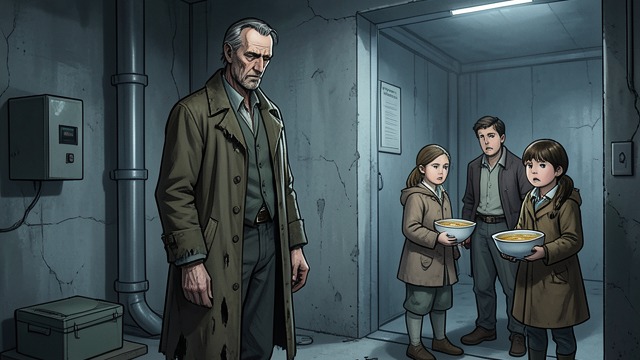
The Micawber Debtor’s Prison
Poverty becomes confinement
Mr. Micawber is imprisoned for unpaid debts, while his family adapts to life within and around the prison. David witnesses how financial trouble becomes a condition of everyday existence.
The comic language surrounding debt cannot hide its material effects. Creditors, fees, and improvised meals govern the family’s choices.
The Gentle Proctor’s Fees
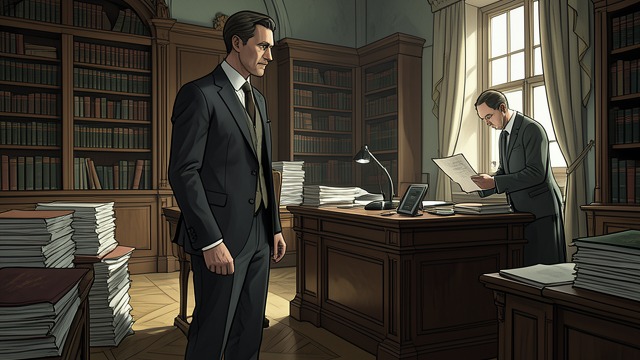
The Gentle Proctor’s Fees
A profession built on procedure
David enters a legal world of wills, marriages, church courts, and layered appeals. Mr. Spenlow presents its customs as genteel and indispensable.
David gradually notices that fees and institutional privilege often matter more than public convenience. The law’s respectable surface conceals entrenched self-interest.
Wickfield’s Financial Trap
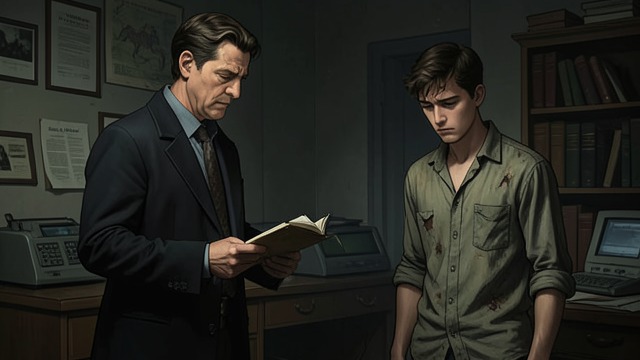
Wickfield’s Financial Trap
Debt used as leverage
Heep falsifies accounts and makes Wickfield believe that money has gone missing through his own misconduct. The invented liability leaves Wickfield ashamed and dependent.
The financial fraud is also psychological coercion. Heep turns his victim’s conscience into a means of control.
Restitution and Emigration
Restitution and Emigration
Repair without easy justice
Traddles and Micawber recover money and expose Heep’s fraud, but the process is improvised rather than a clean institutional remedy. Betsey’s property is also restored.
The Micawbers use financial assistance to leave England and start anew. The conclusion suggests that opportunity may require escape from systems that preserve debt and privilege.
During his work at Murdstone and Grinby’s
During David’s London childhood
During David’s apprenticeship at Doctors’ Commons
During Heep’s control of the practice
After the investigation into Heep’s accounts
