David's sustaining image of his mother
David CopperfieldDavid's sustaining image of his mother is a remembered and partly imagined portrait of her youth, tenderness, and vulnerability. After her death, the picture helps him endure his flight from London toward Betsey Trotwood; its power lies not in certainty about the past but in the comfort David builds from memory, until reaching Dover brings that comfort to an abrupt end.
Origins in Memory and Bereavement
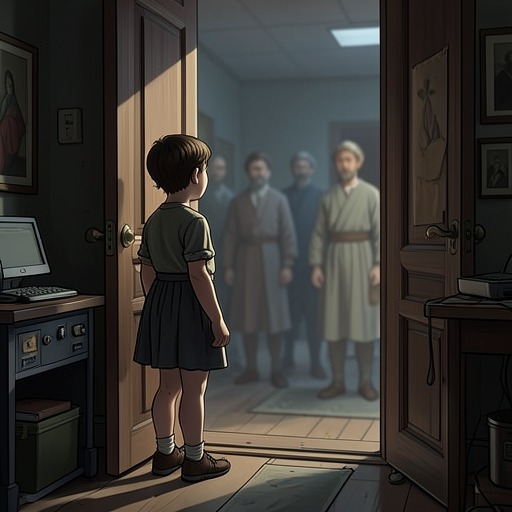
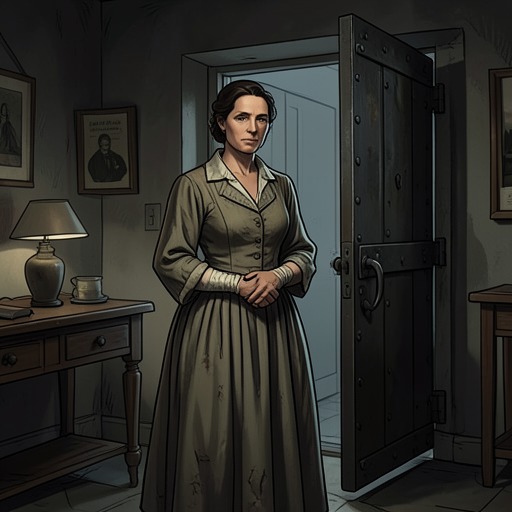
The image begins with the story of David's birth and his mother's account of Betsey Trotwood's first visit. Betsey asks to see the young widow's face and calls her a baby. David remembers his mother as describing a moment when she thought Betsey touched her hair gently, though he acknowledges that the impression may have been only his mother's fancy. As he later considers fleeing, this small, uncertain gesture becomes the one detail in the story that offers him hope: he imagines Betsey relenting toward the young mother whose beauty and tenderness he remembers.
The image also gains its shape from David's mother's painful domestic life. In one remembered appeal, she says she wants only to be consulted sometimes and recalls that Edward Murdstone had once seemed pleased by her inexperience and girlishness, though he now treats her severely. Her words show the vulnerability behind the youthful figure David cherishes. The picture is consoling, but it is not a full account of her life under the Murdstones.
After David learns of his mother's death, Clara Peggotty recounts her final hours. Her account describes a weak woman asking to be held close and remembering the kindness she had received from Mr. Copperfield. David says that this testimony does not restore his image of his mother in her later years. Instead, it fixes in his mind the young mother of his earliest impressions, with bright curls and memories of dancing with him at twilight. In his retrospective narration, death seems to return her to that earlier image and erase the intervening period. The consoling picture is therefore also selective: it preserves the mother of David's infancy while excluding much of the suffering that came later.
A Picture That Sustains the Flight
The image becomes an active source of resolve when David is working at Murdstone and Grinby's warehouse and decides to run away to the only relative he believes he has. The imagined scene of his mother weeping by the fire while Betsey softens toward her gives him a faint reason to hope that his aunt might receive him. David cannot be sure that the memory prompted his decision, but he recognizes that it had occupied his thoughts for a long time and may have helped produce his determination.
On the journey, the picture functions less like a settled recollection than a portable source of encouragement. David carries it through the discomfort and danger of the road, returning to it after an encounter that frightens him and makes him wary of other travelers. He associates it with the places along his route, including Canterbury's old houses and gateways and the Cathedral, and with the open downs near Dover. The image accompanies him while he sleeps among the hops and when he wakes, turning an uncertain memory into something that seems to lead him onward.
The contrast between his surroundings and the remembered figure sharpens its importance. On a Sunday morning, church bells and singing mark a peace that David feels excluded from as he walks dirty and exhausted. The thought of his mother in her youth, weeping as Betsey relents, helps him find the courage to continue. He covers twenty-three miles that day and sleeps outside near Chatham; by the sixth day, he reaches Dover. The image has helped him traverse a real landscape of fatigue and exposure, but its strength depends on distance from the destination it promises.
Disappearance at Dover and Narrative Meaning
When David finally reaches Dover, the picture vanishes. By then he is ragged, dusty, sunburnt, and half-clothed, with no money left; his attempts to ask after Betsey meet jokes or dismissals. The place he had treated as the goal of his journey offers no immediate refuge, and he feels more helpless than at any earlier point in his flight. The disappearance of the image marks the limit of its protection: it can sustain David while he moves toward an imagined welcome, but it cannot itself secure that welcome.
The episode shows how retrospective memory can preserve, reshape, and mobilize the past. David's account distinguishes what he recalls from what he has imagined, especially in the uncertain detail of Betsey touching his mother's hair. Yet that uncertainty does not make the image inert. It gives David a reason to act when he has little evidence that escape will succeed, and it accompanies him until action must give way to the actual search for safety. Its comfort is real in its effects, even as its content is partly reconstructed.