Storytelling, reading, and imagination
David CopperfieldStorytelling, reading, and imagination are not incidental pastimes in David Copperfield’s life: they offer comfort in neglect, create intimacy with others, and become ways of shaping experience into a narrative. The novel follows this process from a child’s absorption in books and spoken tales to an adult narrator who openly distinguishes remembered impressions from what he cannot know or recall.
Books as refuge and resource
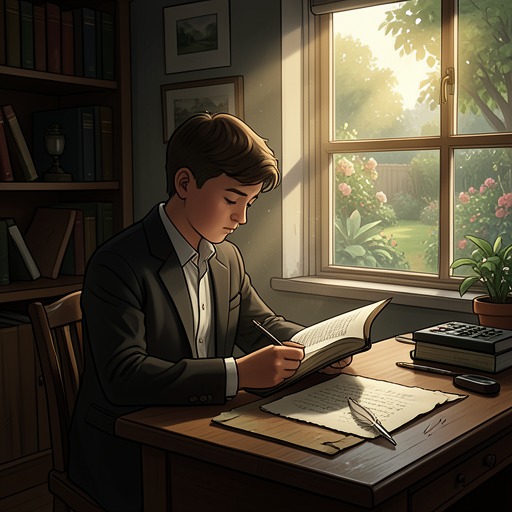
Books provide an early refuge when David is isolated and left to his own devices. During the period when he is largely disregarded at home, he describes old books as his only comfort and returns to them repeatedly. Reading offers a dependable imaginative life amid circumstances in which attention and companionship are scarce; the books are not simply an escape, but material that remains available for later thought and retelling.
That store of reading becomes especially important at Salem House. An accidental reference to Peregrine Pickle leads J. Steerforth to discover that David remembers the books he has read. J. Steerforth proposes that David retell them at night, and the two begin making a regular practice of it. David narrates from memory, sometimes changing or losing parts of his source material, but he recalls speaking with earnest conviction. His imaginative handling of the books matters as much as their original plots: reading has given him something he can perform, share, and develop in his own voice.
Stories as companionship and unequal exchange
The nightly tales bring David recognition among the boys and give him a role in J. Steerforth’s room. Thomas Traddles joins in as an expressive listener, responding theatrically to comic and frightening passages. On one occasion, his imitation of fear draws the attention of Mr. Creakle, who punishes him for disorder in the bedroom. The episode places imaginative play inside a school governed by cruelty: storytelling creates a small shared world, but it does not protect the boys from the institution’s discipline.
The arrangement also reveals an imbalance in David’s friendship with J. Steerforth. David admires and loves him, and regards his approval as sufficient reward; when David is tired or reluctant, however, he feels that the story must continue. J. Steerforth helps him with sums and difficult school exercises in return, so the exchange has practical as well as emotional force. David later insists that he was moved neither by self-interest nor fear, but by affection and admiration. In retrospect, the narrator’s aching response to these memories complicates the child’s pride: a valued talent and a close bond coexist with an obligation the younger David finds difficult to refuse.
The stories encourage what the older narrator calls the romantic and dreamy part of David’s nature. They also help him attract notice and, alongside J. Steerforth’s assistance, pick up some knowledge at a school where punishment and worry obstruct learning. Yet this imaginative activity does not erase the surrounding harm. Its importance lies partly in the contrast: a child can make and share a world of stories even within a setting that offers little space for education or ease.
Turning lived experience into narrative
David’s imagination works beyond the retelling of printed books. While still a boy, he watches the people he encounters during his days in London and wonders how much of the histories he invented for them has become mixed with remembered fact. Looking back, he pictures his younger self as an imaginative observer making a private world from strange experiences and sordid surroundings. The passage presents invention not as a simple alternative to reality, but as something that can gather around real people and events in memory.
Mr. Micawber’s petition to the House of Commons provides another instance of ordinary life becoming a story. David remembers the petition being composed, displayed, and read aloud to people in the debtors’ prison, including the ceremonial attention Captain Hopkins gives to its language. The adult narrator explicitly connects this memory to his childhood habit of fitting his old books to his altered circumstances and making stories out of the streets and the people he met. He also sees these experiences as part of the gradual formation of the character he would develop in writing his life. A public petition, its gathering of listeners, and the figures around it thus enter the same imaginative practice as the tales he once repeated at school.
Memory, uncertainty, and the written life
The narrative repeatedly marks the limits of what David can claim. At the beginning of his life story, he notes that he cannot remember his birth from personal experience and relies on what he has been told. He records its exact hour and day, along with the prediction that a Friday-night birth foretold misfortune and supernatural sight, but leaves his subsequent history to show whether the first prediction proved true. The opening makes recollection and reported information part of the story’s subject, not invisible foundations beneath it.
A similar distinction appears when David writes about his mother. He recalls her as she appeared to him when he was young and reflects on the way memory brings that cherished image before him in the present. The adult account does not claim to recover an untouched past: it emphasizes that the remembered face endures through loving recollection. Likewise, when he reaches the beginning of his period at Murdstone and Grinby’s warehouse, he describes the recollection as painful but cannot say whether it lasted a year, more, or less. He marks the period’s beginning and end while refusing to supply a duration he no longer knows.
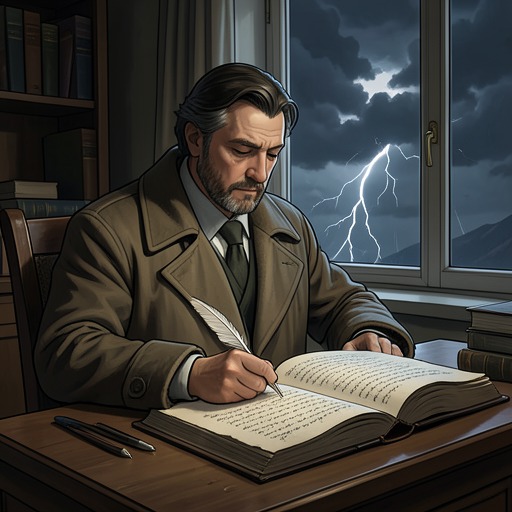
The novel’s imaginative life therefore includes both invention and self-limitation. David can turn a remembered scene into a vivid account, acknowledge where memory may carry a mist of fancy, and leave a painful interval unmeasured. In the prefatory reflection, the author presents the book as the work of a two-year imaginative undertaking and describes David as a favourite creation. That framing parallels the novel’s concern with how a life becomes a made and retold story: books shape David’s imagination, experience supplies new material, and retrospective narration gives both a form while preserving the gaps between what happened, what was remembered, and what can be known.