I am not a dime a dozen
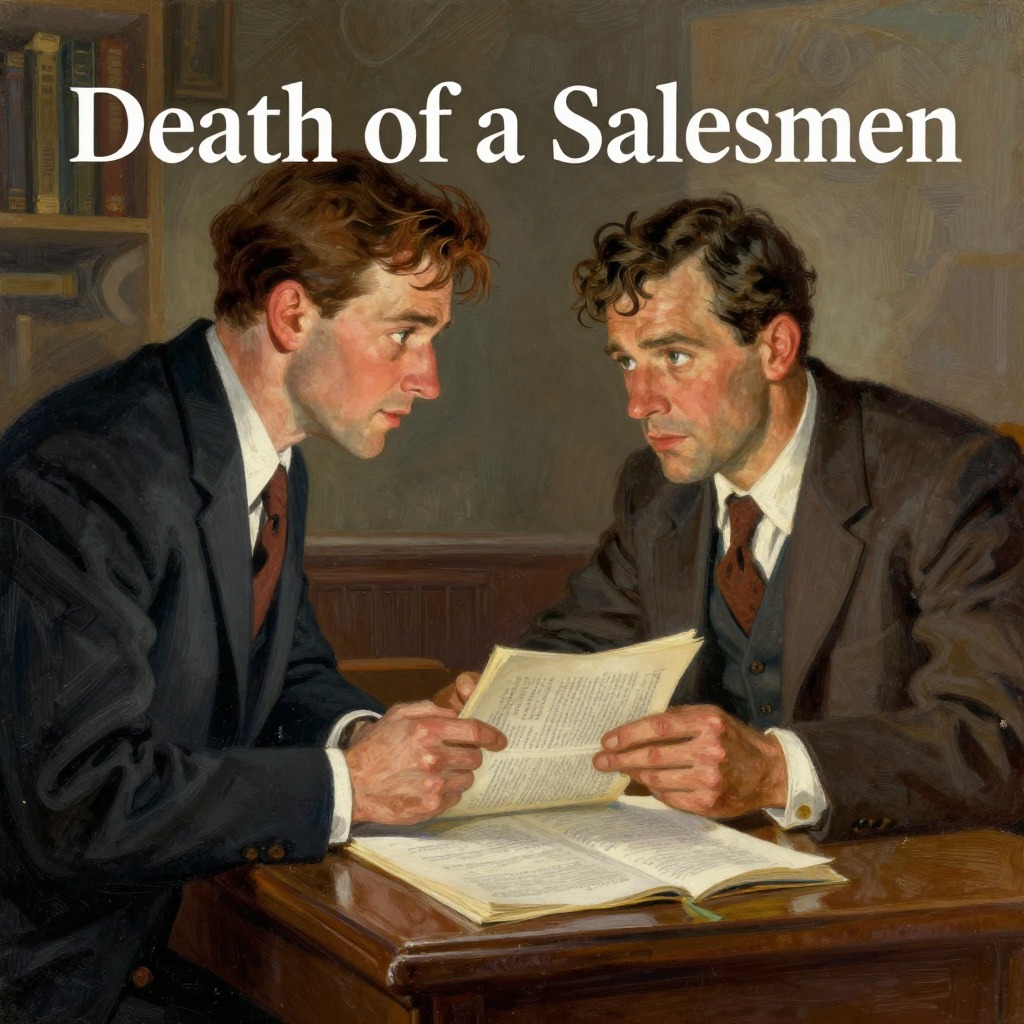
Death of a SalesmanIn the climactic confrontation of Arthur Miller's Death of a Salesman, Willy Loman hurls the defiant declaration "I am not a dime a dozen" at his son Biff. The line arrives at the moment of maximum emotional fracture between father and son, and it encapsulates the entire tragedy of a man who has staked his identity on a belief in his own exceptional nature even as the world has reduced him to a replaceable commodity. It is the verbal equivalent of a man shouting his name into an empty room, hoping to hear an echo that confirms his existence matters.
The Confrontation and the Line
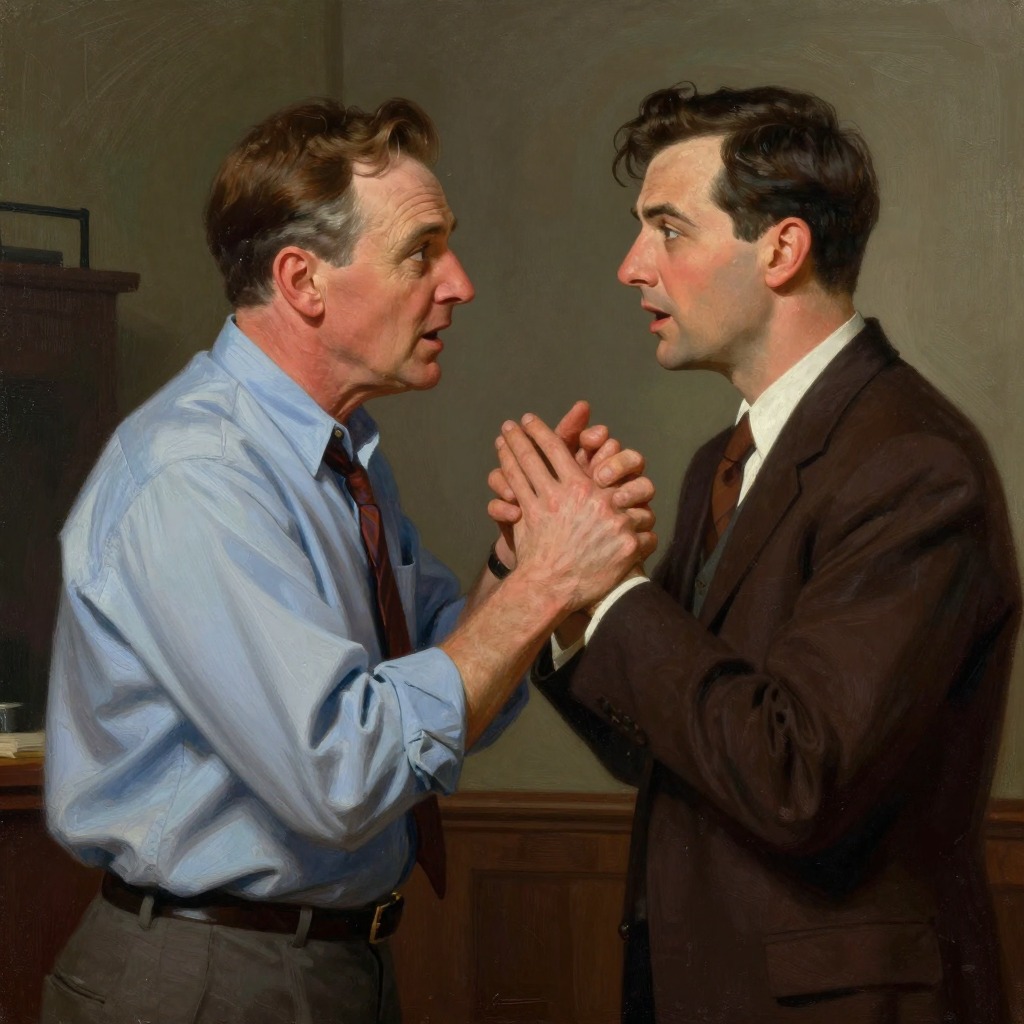
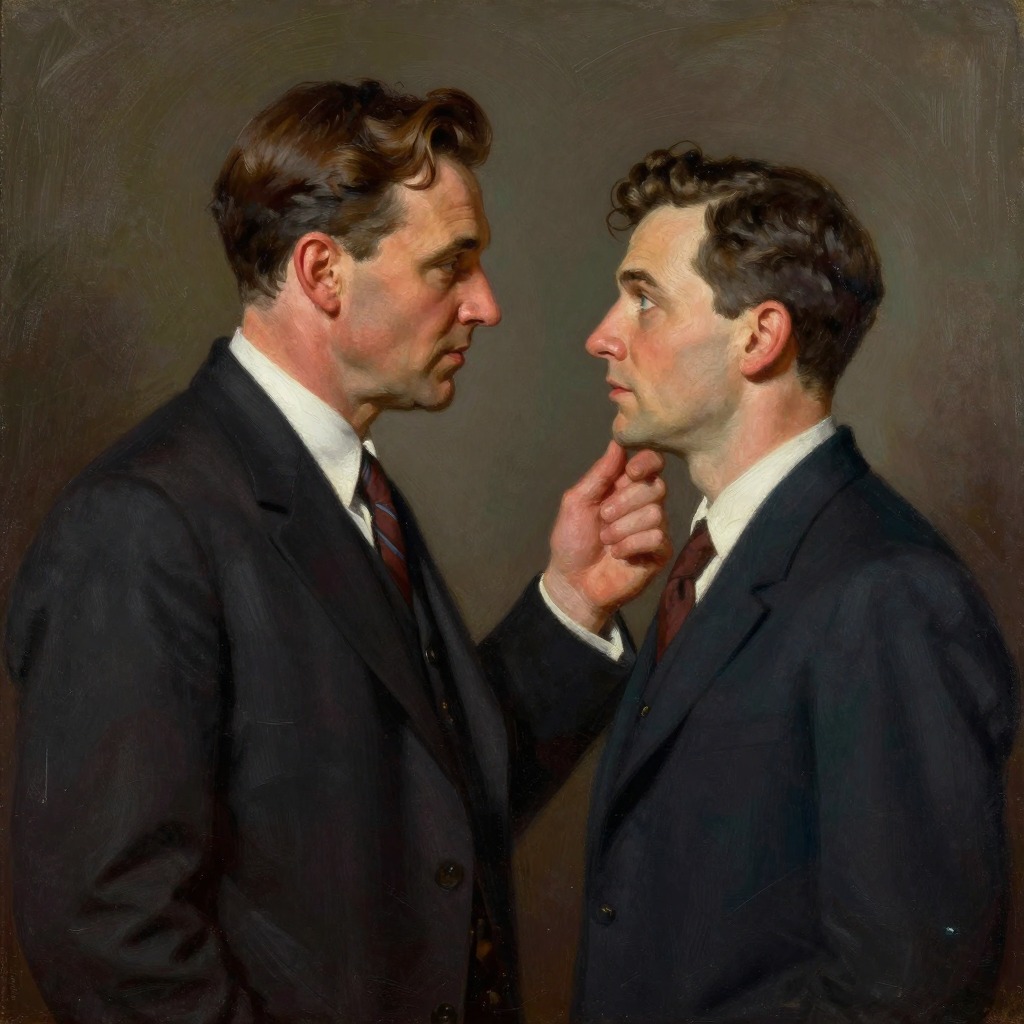
The phrase erupts in the play's final scene of direct conflict, inside the Loman kitchen. Biff, having just confessed that he spent three months in jail for stealing a suit and that he has stolen himself out of every good job since high school, tries to force his father to see the truth of their shared ordinariness. "Pop, I'm a dime a dozen, and so are you!" Biff cries, stripping away the last of the illusions that have sustained Willy's fragile psyche. Willy's response is immediate and volcanic: turning on Biff in an uncontrolled outburst, he roars, "I am not a dime a dozen! I am Willy Loman, and you are Biff Loman!" The line is not an argument but a convulsive act of self-definition, a refusal to accept the verdict of a world that has already judged him and found him wanting.
The Meaning of the Phrase
"A dime a dozen" is an American idiom meaning common, plentiful, and therefore worthless. By rejecting this label, Willy is rejecting the entire logic of the marketplace that has discarded him. He has just been fired by Howard Wagner after thirty-four years with the firm, reduced to borrowing fifty dollars a week from his neighbor Charley and pretending it is his pay. The company, like the culture it represents, treats men as interchangeable parts: when a salesman can no longer produce, he is thrown away like a piece of fruit. Willy's refusal to accept this status is both his nobility and his delusion. He cannot bear the reality that he is, in economic terms, a failure, and so he insists on a different kind of accounting—one based on personal attractiveness, being "well liked," and the intangible currency of a name that rings like a bell. The line is the last stand of a man who has built his life on the promise that personality and charm will triumph over the cold arithmetic of the balance sheet.
The Tragic Irony
The irony of Willy's declaration is that it is both true and false. He is not, in fact, a dime a dozen to those who love him: Linda Loman has devoted her life to him, Biff, despite everything, weeps for him, and Charley, who understands him better than anyone, insists at the funeral that "nobody dast blame this man." But in the terms Willy himself has chosen to measure a life—money, success, fame, the size of one's funeral—he is precisely what Biff says he is. The tragedy is that Willy has internalized the very standards that condemn him. He believes in the American dream of individual greatness so completely that he cannot recognize the love and loyalty that are actually his, because those things do not register on the scale of success he has been taught to use. His insistence that he is not a dime a dozen is a heroic refusal to be diminished, but it is also a blindness that prevents him from seeing the genuine value of the life he has lived.
The Aftermath and Significance
Immediately after this exchange, Biff breaks down, sobbing and holding on to his father, and Willy, astonished, realizes that "Biff—he likes me!" The confrontation that seemed to be about hatred and spite is revealed to be about love and the desperate need for recognition. Willy's declaration of his own worth is answered not by the world's applause but by his son's tears. Yet even this moment of connection is not enough to save him. The line "I am not a dime a dozen" echoes into the play's final movement, as Willy, convinced that his death will provide Biff with twenty thousand dollars in insurance money and prove his value once and for all, drives off to his suicide. The phrase thus becomes the motto of a man who would rather die than be ordinary, who would rather be remembered as a magnificent failure than live as a contented nobody. It is the distilled essence of the American dream's promise and its lethal cost.