
The Notebook and the Right to Write
DeceptionThis thread traces the escalating confrontation between the writer and his wife after she reads Philip’s notebook and sees its imagined affair as evidence of emotional betrayal and a threat to real people’s privacy.
increasing Bearing strength in each event
 decreasing
Bearing strength in each eventdecreasingThe Notebook Is Discovered
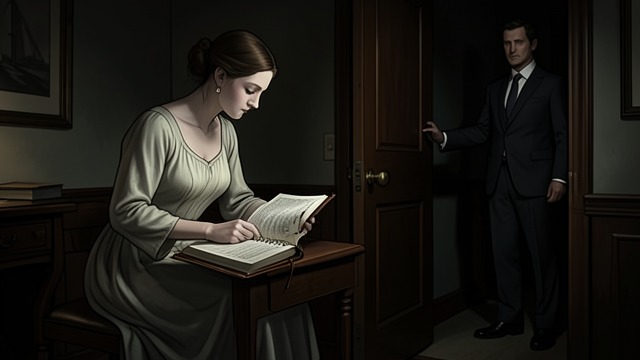
A Private Manuscript Becomes Evidence
The discovery
The writer’s wife finds a notebook he has left in his briefcase and reads its intimate conversations with an imagined English woman. She recognizes phrases and scenes that seem to echo the writer’s recent distance from her, and concludes that the woman must be real.
The notebook has not been presented to her as a finished work. It contains conversations assembled from observation, memory, and invention, but the wife encounters it as a private record whose emotional intensity appears to explain why her husband has been remote.
Suspicion becomes accusation
She tells him that the imagined woman is the reason he has been distracted and uninterested in her. The writer denies that the character exists and says that the notebook joins actual exchanges with material he has invented.
Her discovery changes the status of the writing. What the writer understands as a working document becomes, to his wife, a possible account of an affair and a measure of his attachment elsewhere. The conflict begins with competing interpretations of the same pages, neither of which the other can simply set aside.
Imagination Under Suspicion
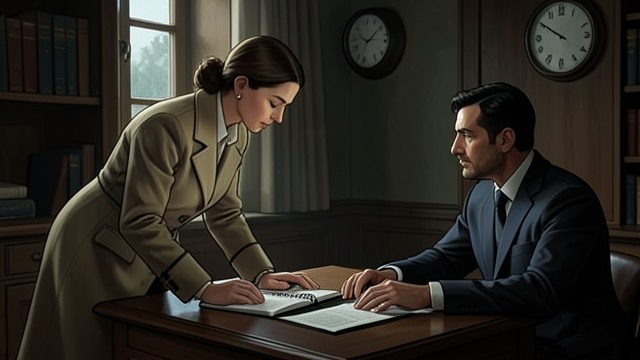
The Wife Challenges the Defense
An invented woman who knows too much
The wife argues that the woman in the notebook cannot be wholly imaginary because she speaks with knowledge of English life that the writer’s wife believes he could not have invented alone. The intimate tone deepens her suspicion: the pages seem to record a closeness that has been withheld from the marriage.
The writer offers several sources for the material, including conversations with other women and details he has noticed while living in England. He also admits that imagination and reporting blur together in his notes, and that he cannot always remember where a real exchange ends and invention begins.
The emotional fact
The wife sees a distinction between whether the woman exists and whether the writer desires her to exist. Even if the character is invented, she argues, the notebook reveals an attempt to escape the marriage and an intimacy more vivid than what she has recently received from her husband.
The writer rejects her conclusion that the notebook proves a real affair, but he cannot deny that he has imagined one. The conflict moves beyond fact-checking into the difficult question of whether a fictional desire can still injure a living partner.
The Writer Invokes His Work
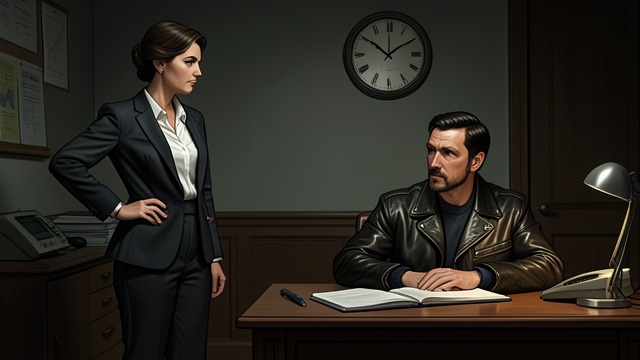
Art Versus Marital Accountability
A defense of invention
The writer argues that imagining himself in love with a character is part of his work. He compares the impulse to a novelist imagining intimacy with a literary character and insists that he should not have to police every imaginative lead because it might offend others.
His wife answers that the notebook is not merely a novelistic plot: she reads its different women as models for real people and its self-exposure as a way of confusing her. When the writer invokes artistic freedom, she sees him claiming moral exemption at precisely the moment she is asking him to account for the hurt he has caused.
A dispute over control
He insists that the notebook is a blueprint rather than a complete work and resents her attempt to tell him what to write. She argues that the possibility of publication changes the meaning of his private experiments, especially if readers could mistake invented material for actual relationships.
The argument turns writing itself into a site of marital power. The writer fears censorship and the narrowing of his work; his wife fears that the writer’s freedom leaves her and other people exposed to stories they did not choose to enter.
Real Women Behind the Pages
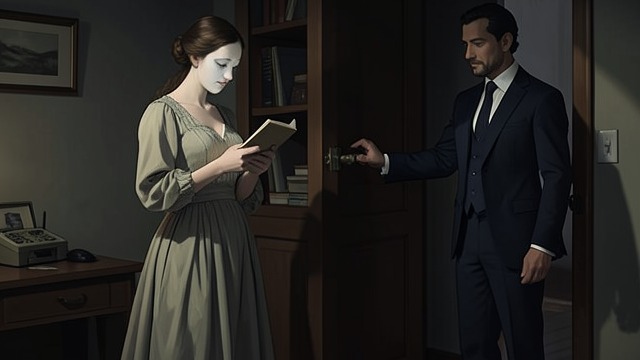
The Names Behind the Fiction
Reassembling the notebook
The wife connects the notebook’s characters to women the writer has known, including Rosalie Nichols and a Polish woman who visited him. She asks whether those acquaintances provided the experiences and voices that appear in the pages, and whether he has had affairs with them.
The writer acknowledges that some material comes from real conversations and memories, while denying the accusations of sexual betrayal that she draws from the notebook. He explains that he sometimes writes himself as more deeply implicated than he was, because compromising the narrating self makes the imagined indictment more powerful.
No clean boundary
His explanation does not erase the wife’s concern. Even if the notebook does not document the events she suspects, it uses recognizable human material and turns the writer into a participant in situations that may not have happened as written.
The conflict becomes one of boundaries rather than simple truth or falsehood. The wife wants a line that protects living people from appropriation; the writer describes a practice in which invention, memory, and self-accusation are deliberately entangled.
The Argument Ends in Departure
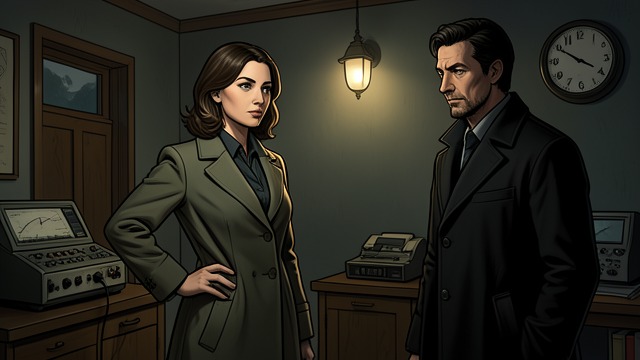
Refusal and Separation
A final demand for restraint
The wife asks the writer to change identifying details if he publishes the notebook, proposing that the names be altered so that the people who appear in it are less exposed. She frames this not as a demand that he abandon writing, but as a way to avoid making their private life recognizable to others.
The writer refuses to accept her conditions. He says that the work is not a straightforward portrait of himself and that readers often misidentify what is fiction and what is autobiography. His wife answers that those ambiguities may be entertaining for him but do not protect her from humiliation.
Leaving the scene
The dispute escalates when the writer says he cannot be hounded for what he has written and insists that he is going out alone. His wife asks to accompany him, but he says they cannot continue the fight in the street and leaves anyway.
The ending offers no agreement about publication, privacy, or the marriage. It leaves the central conflict unresolved: the writer treats artistic discretion and shame as dangers to his work, while his wife insists that authorship does not cancel the consequences for human beings who recognize themselves in it.
late in the writer’s marriage
immediately after the notebook is read
during the same confrontation
as the wife questions his sources
at the end of the notebook confrontation
