
Ivan’s Accusation and the Writer’s Denial
DeceptionThis thread follows Ivan’s suspicion that the writer slept with Olina, from the story of her departure through an increasingly personal quarrel about betrayal, listening, and the exploitation of other people’s lives as narrative material.
increasing Bearing strength in each event
 decreasing
Bearing strength in each eventdecreasingOlina Leaves Ivan
A Marriage Under Strain
Andrew enters the household
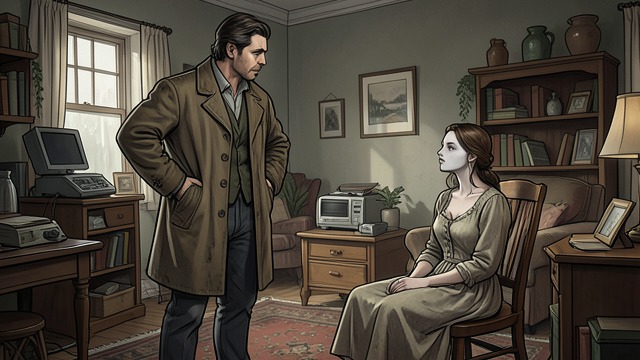
Ivan describes Olina’s relationship with Andrew, a man who arrives at their home and is eventually allowed to stay. Ivan says that he notices Olina and Andrew growing close, asks that Andrew leave, and is told that Olina loves him and wants to marry him.
Ivan portrays the change as a betrayal of the trust he had placed in Olina. He describes her as formerly restrained and says that she now wants a different life, while he is left trying to understand how quickly their marriage has become unstable.
Loss turns toward suspicion
After Olina leaves, Ivan imagines that she will have to return to Prague and predicts that Andrew will eventually leave her. His account is marked by anger and racial hostility toward Andrew, which makes his attempt to explain the collapse of the marriage inseparable from prejudice and humiliation.
The loss also leaves Ivan searching for another person to blame. He begins to suspect that the writer, who had known Olina and listened to her, may have been involved with her. That suspicion turns private marital devastation into a confrontation with his friend.
The Question of an Affair
Accusation Enters the Room
Ivan names the suspicion
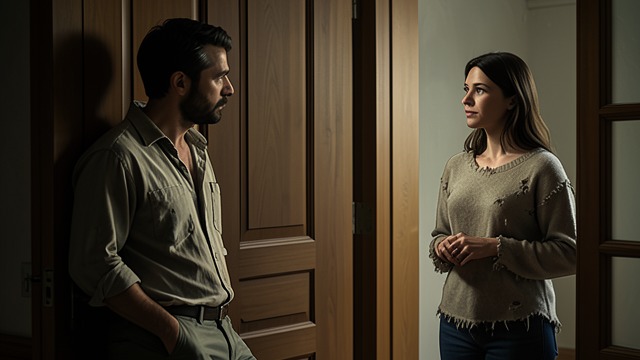
Ivan tells the writer that Olina said they had slept together four times in New York. The writer denies it, repeating that he never had an affair with her. Ivan refuses the denial and treats Olina’s reported account as decisive.
The writer tries to separate what actually happened from what appears in Ivan’s story. He says that Ivan never accused him at the time and that the alleged sexual encounters did not occur. But Ivan’s sense of betrayal makes the denial sound to him like another act of deception.
Friendship on trial
The accusation threatens more than the writer’s reputation. Ivan casts the writer’s interest in Olina as a violation of friendship, arguing that listening to a refugee’s wife made him emotionally and sexually vulnerable to her story.
The writer acknowledges that he was interested in Olina but distinguishes attention from sexual involvement. The distinction does not persuade Ivan, because Ivan sees the writer’s sustained attention itself as a form of taking something that belonged within his marriage.
Listening Becomes the Offense
The Writer’s Method Under Attack
From sex to narrative
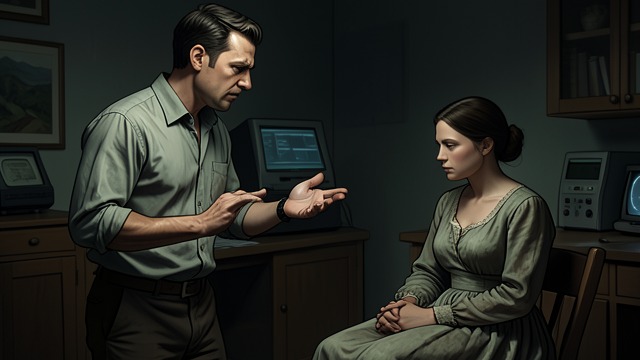
Ivan argues that the writer uses questions and patient listening as a route to intimacy. In his account, other men listen until they can turn a conversation toward sex, whereas the writer wants women in bed so that they will keep talking.
He describes the writer’s interest in women’s difficult histories as an appetite for unfinished stories. The writer, Ivan says, is drawn to people struggling to understand their lives, then takes their words and reshapes them into fiction.
The friend becomes a critic
Ivan’s attack moves from the disputed affair to the writer’s work. He says that the writer cannot leave an experience alone and must distort a woman’s account by embedding it in an artificial plot. The accusation makes the writer’s artistic practice appear continuous with the alleged betrayal: both involve taking what belongs to another person.
The writer asks Ivan to explain what he believes is wrong with the fiction. His request for criticism sounds, to Ivan, like one more attempt to turn a personal injury into useful material. What might otherwise be a debate about craft becomes a test of whether friendship can survive the writer’s impulse to make stories from conflict.
The Writer Challenges the Story
Competing Versions of Reality
Counteraccusation
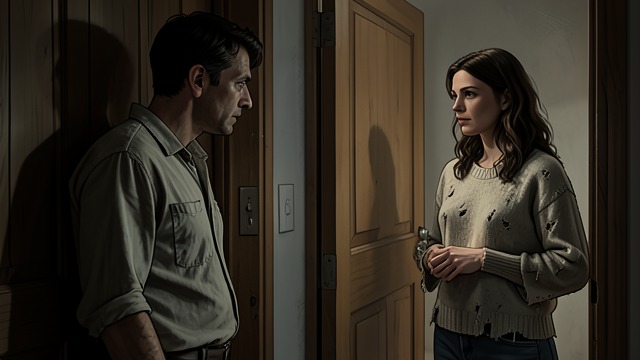
The writer argues that Ivan and Olina are fictionalizing events by treating the alleged affair as settled fact. He says that Ivan’s despair after Olina’s departure may have transformed suspicion into certainty, and that the woman’s anger could have shaped the story she told her husband.
Ivan rejects this explanation and calls the writer a liar. He insists that the writer was attracted to Olina from their first meeting and that the reported encounters explain the intensity of his attention to her.
The argument mirrors the notebook
The writer’s defense resembles the novel’s larger uncertainty about the difference between a lived event and its narrative version. He claims that he knows what happened, but the conversation supplies no neutral authority capable of proving whose account is correct.
That uncertainty is itself part of the conflict. Ivan believes the writer’s desire to understand and record is evidence against him; the writer sees Ivan’s certainty as a story created out of pain. Their disagreement makes the question of truth inseparable from the power to narrate it.
Threats Replace Reconciliation
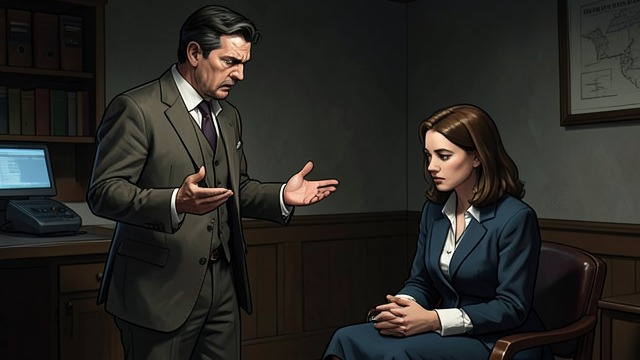
Friendship Breaks Down
Anger reaches the body
The writer urges Ivan to calm down, warning that the strain could bring on another heart attack. Ivan answers with a threat involving the shotgun he had imagined using against Andrew, turning his earlier violence into a direct menace toward the writer.
The writer continues to deny the affair and says that there is no cause for Ivan to shoot him. Ivan rejects that reassurance and says he would shoot him in the ears. The exchange closes on hostility rather than clarification.
No settled account
Neither man withdraws his central claim. The writer maintains that he never slept with Olina, while Ivan treats the accusation as a fact and connects it to the writer’s way of turning intimate lives into literary material.
The quarrel exposes how personal betrayal and artistic suspicion have fused. Even if the disputed encounters remain unproven, Ivan’s trust in the writer has collapsed, and the writer’s effort to inquire into the accusation only deepens the sense that he is trying to convert an injury into another story.
before the confrontation in London
during Ivan’s visit to the writing room
as Ivan broadens his accusation
near the height of the confrontation
at the end of the confrontation
